Home — The doctor
The doctor nobody could answer
Dr. Viktor Surikov is the founder of Healingbowl® and the author of sound resonance and vibro-acoustic therapy with singing bowls. Having found that the methods and algorithms used in sound therapy had no system behind them and no substantiated answers, he decided to go deeper into the field, seeing serious potential in it.
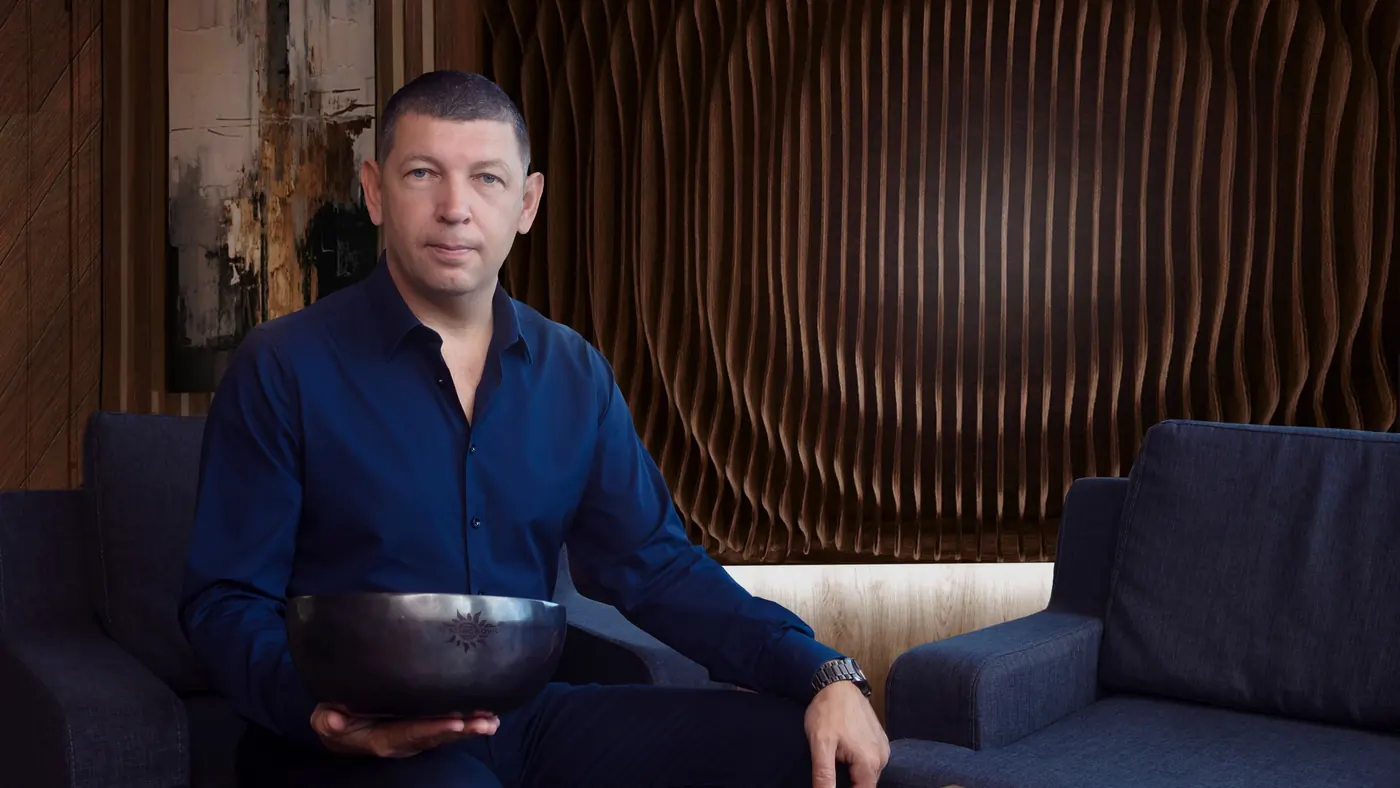
Background
He came from intensive care, not from spiritual practice
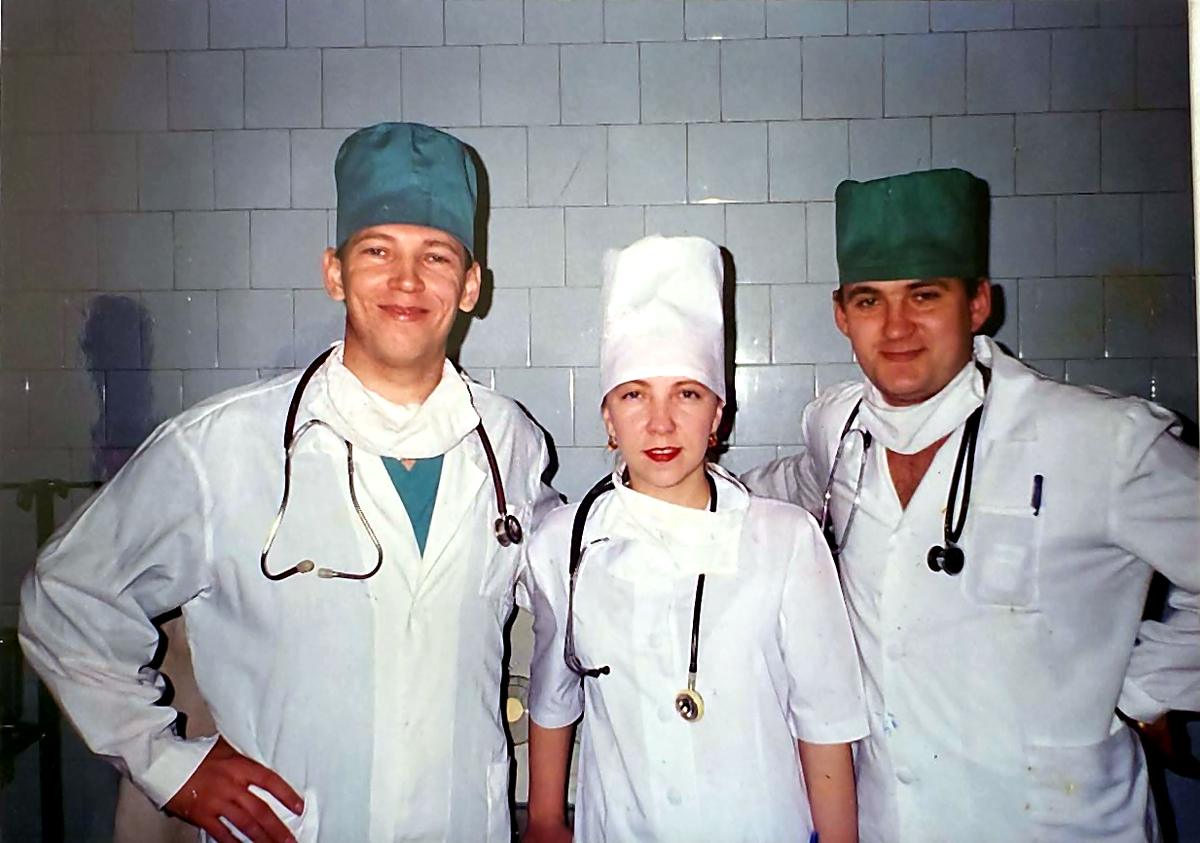
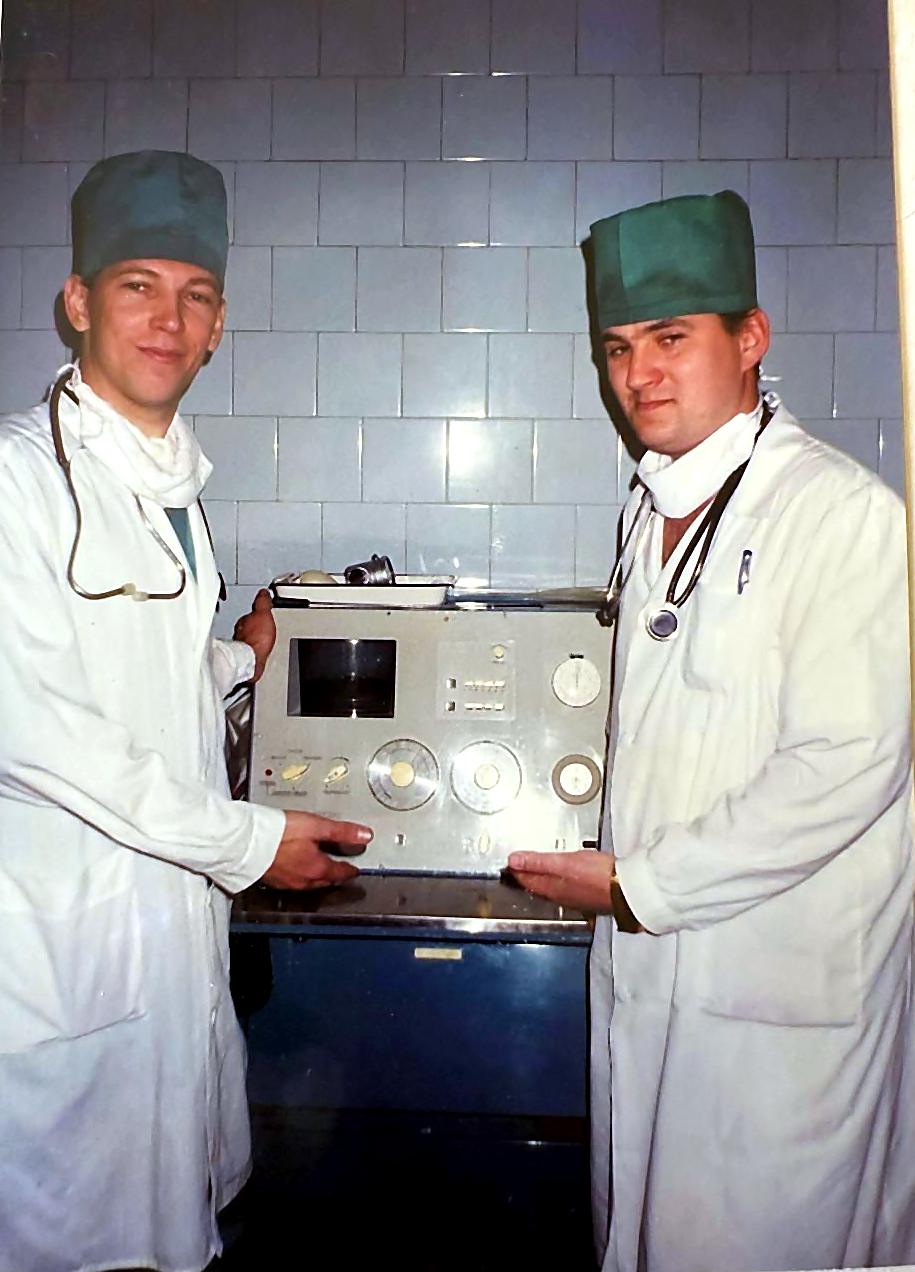
He defended his diploma in general medicine in 1994 at Blagoveshchensk State Medical Institute. His training continued at the Amur State Medical Academy, specialising in anaesthesiology and intensive care, and was completed in 1998–1999. Fourteen years of clinical practice in all, mostly in emergency medicine. Then he left it for bodywork and for work with sound and vibration.
From 2000 to 2010 he studied manual and wellness techniques. In 2011 he qualified as a Thai massage trainer at the SIAM school in Novosibirsk: a 244-hour programme that included the northern-style Nuad Bo-Rarn courses of the ITM School. In 2014 he completed a programme in laser medicine at the Faculty of Continuing Medical Education, RUDN University, Moscow.
He grew up in the Russian Far East, close enough to China, Korea and Japan for Asian medical traditions to be nothing exotic: they were used in everyday life. That is what made it possible to bring two different approaches together — Western medicine and Eastern.
None of it amounted to a method. So he built one.
In 2009 he encountered singing bowls for the first time and could not find a single reliable source explaining how they actually act on the body.
The years that followed went into studying the question properly: at universities and academies of medical sciences, in conversation with members of the Academy of Sciences and doctors from different fields. In parallel he went deep into how bowls are made, so that he could have instruments built to his own requirements rather than work with whatever the market offered.
Since 2012 he has been teaching the method to students from more than a dozen countries. His training in laser medicine at RUDN in 2014 led to a second protocol — microcirculatory vibro-acoustic massage — which he taught to RUDN students the following year. A third, vibropuncture, came out of the same line of work. The method is now taught as four separate courses.
The method in detailA timeline of the method
- 1994Qualified in general medicine, Blagoveshchensk State Medical Institute.
- 1998–1999Specialisation in anaesthesiology and intensive care, Amur State Medical Academy.
- 2000–2011Manual and wellness techniques. In 2011, qualified as a Thai massage trainer at the SIAM school, Novosibirsk: 244 hours, including the Nuad Bo-Rarn courses of the ITM School.
- 2009First encounter with singing bowls. No reliable source explains how exactly they act.
- 2012Begins teaching the method.
- 2013Invited to present at an open conference on non-pharmacological methods at the Altaisky Zamok sanatorium, Belokurikha.
- 2014Laser medicine programme at RUDN University. Opens an office in Kathmandu and begins developing bowls to his own requirements.
- 2016Authorship of the method registered. Begins running courses for his own students at Pema Tsal Sakya Monastic Institute, Pokhara.
- 2020Production moves from the SVS mark to Healingbowl®.
- 2026Patent RU 2862944 granted in May. An international application is in progress.
2013
The first time the method left his own school
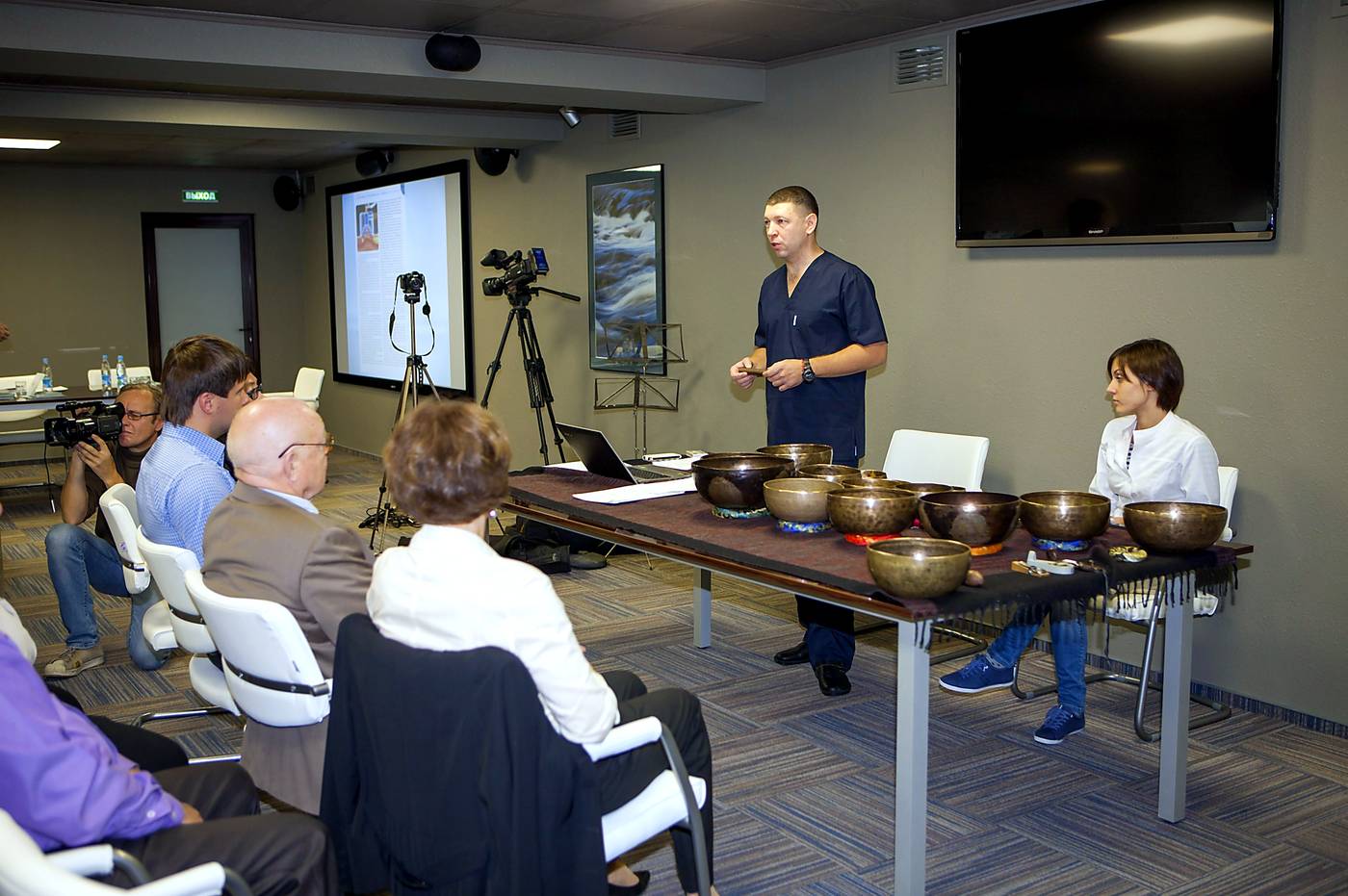
In 2013 Dr. Surikov was invited to give a paper at an open conference on non-pharmacological methods, held at the Altaisky Zamok sanatorium in Belokurikha, Altai Republic. The room held researchers from the Siberian Branch of the Russian Academy of Medical Sciences, holders of doctorates in medicine, and specialists from German rehabilitation clinics working in psychiatry.
Over the four days of the conference he ran more than forty sessions, and the participants were assessed with medical diagnostic equipment. The material collected there became a graduation thesis, written together with the clinical psychologist Antonina Kozyreva, on vibro-acoustic therapy in psycho-emotional disorders.
After the conference Professor Bilitz from Germany offered Dr. Surikov work in clinics in Baden-Baden. It was the first time the method had been discussed by people with no stake in it.
Nepal
The bowls are not used in services in Tibetan monasteries
There is no evidence that singing bowls were ever forged in Tibet, and none that they appear anywhere in Tibetan Buddhist liturgy. A puja uses different instruments — the bell, the cymbals, the long horns, the drum. When Dr. Surikov began working in Nepalese monasteries, the lamas confirmed it themselves. The therapeutic use of singing bowls is a modern development, and largely a Western one.
We say this because “we learned the method from Tibetan monks” is the most common claim in this industry, and it does not hold up.
Which makes what happened next unusual. Since 2016 Dr. Surikov has been running courses for his own students in the main prayer hall of Pema Tsal Sakya Monastic Institute in Pokhara. He gave the abbot several sessions himself; other monks had their sessions with our team. They liked it enough that the institute now plans to bring work with bowls into its own teaching programme this autumn, around November. Not the revival of a tradition. A beginning.
Documents
Qualifications and certificates
Scans are provided to partners and to training centres on request.
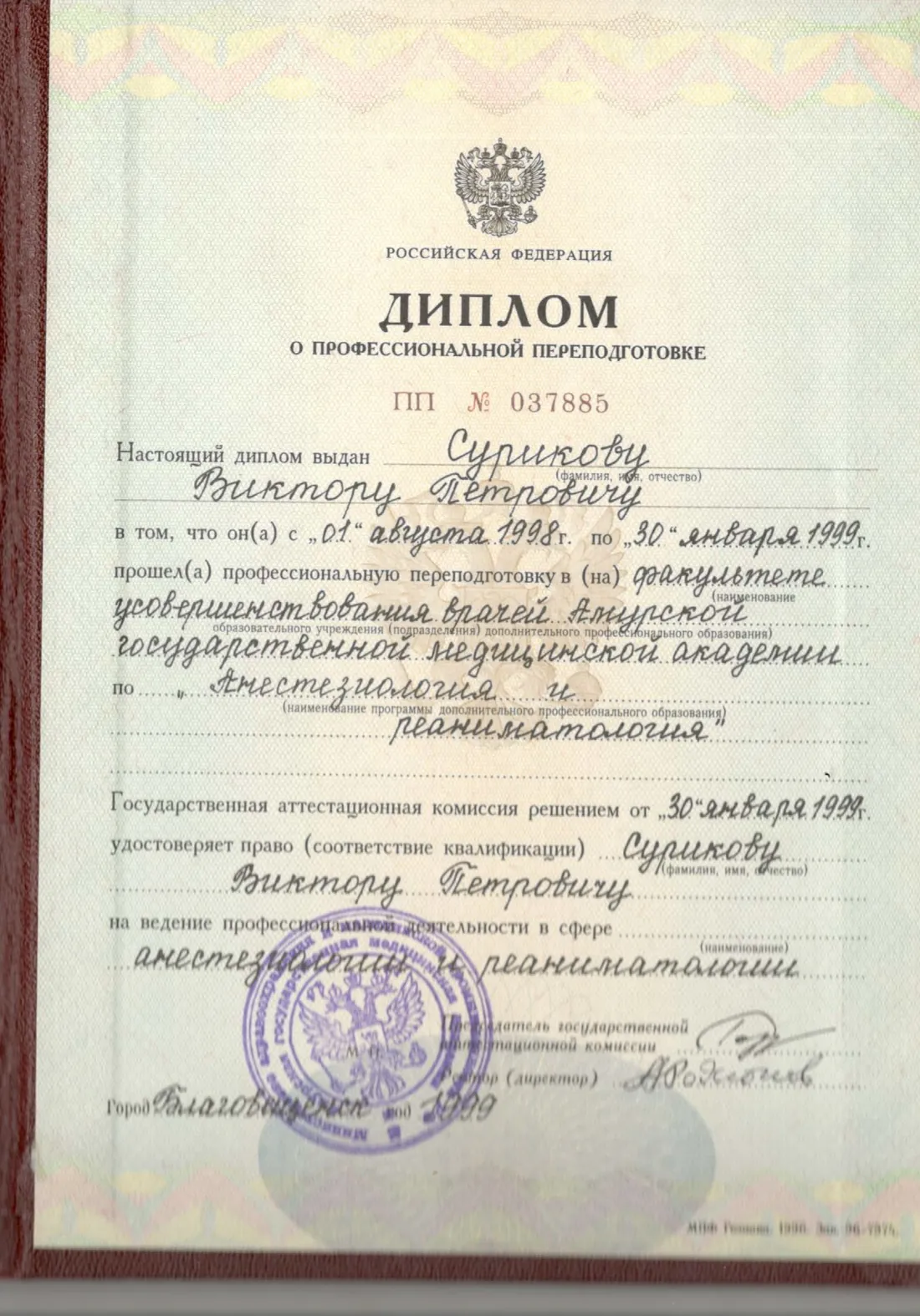
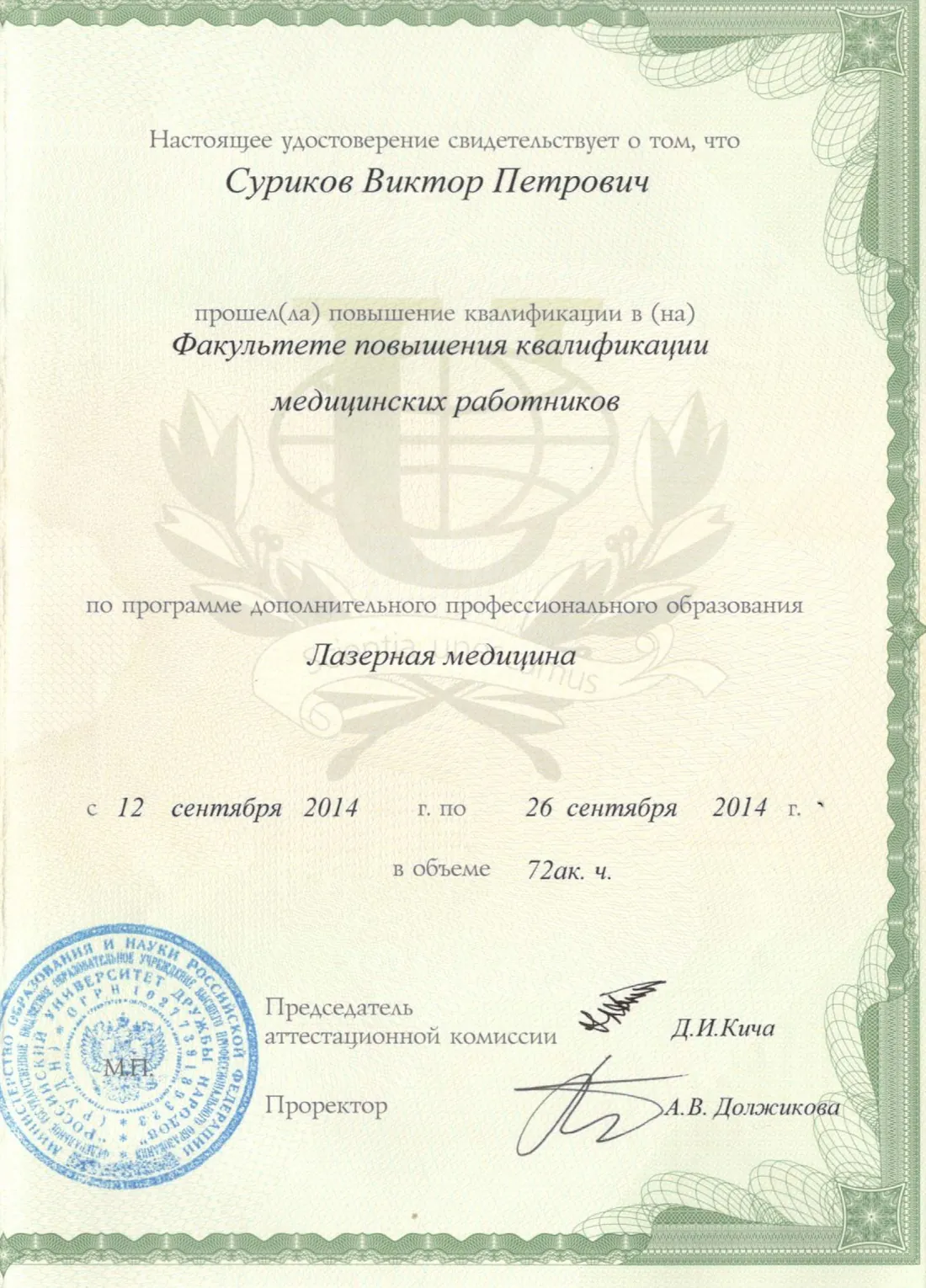
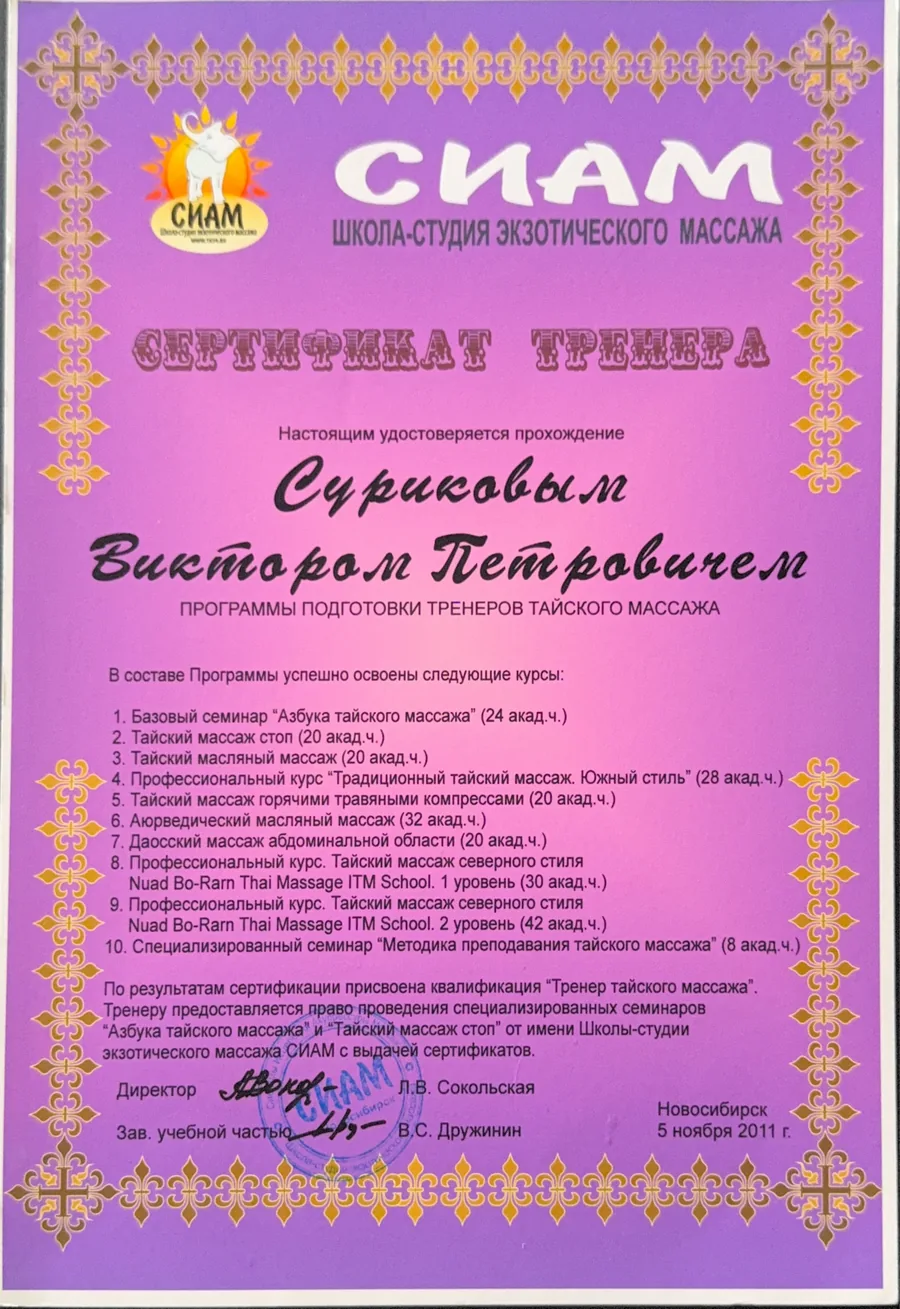
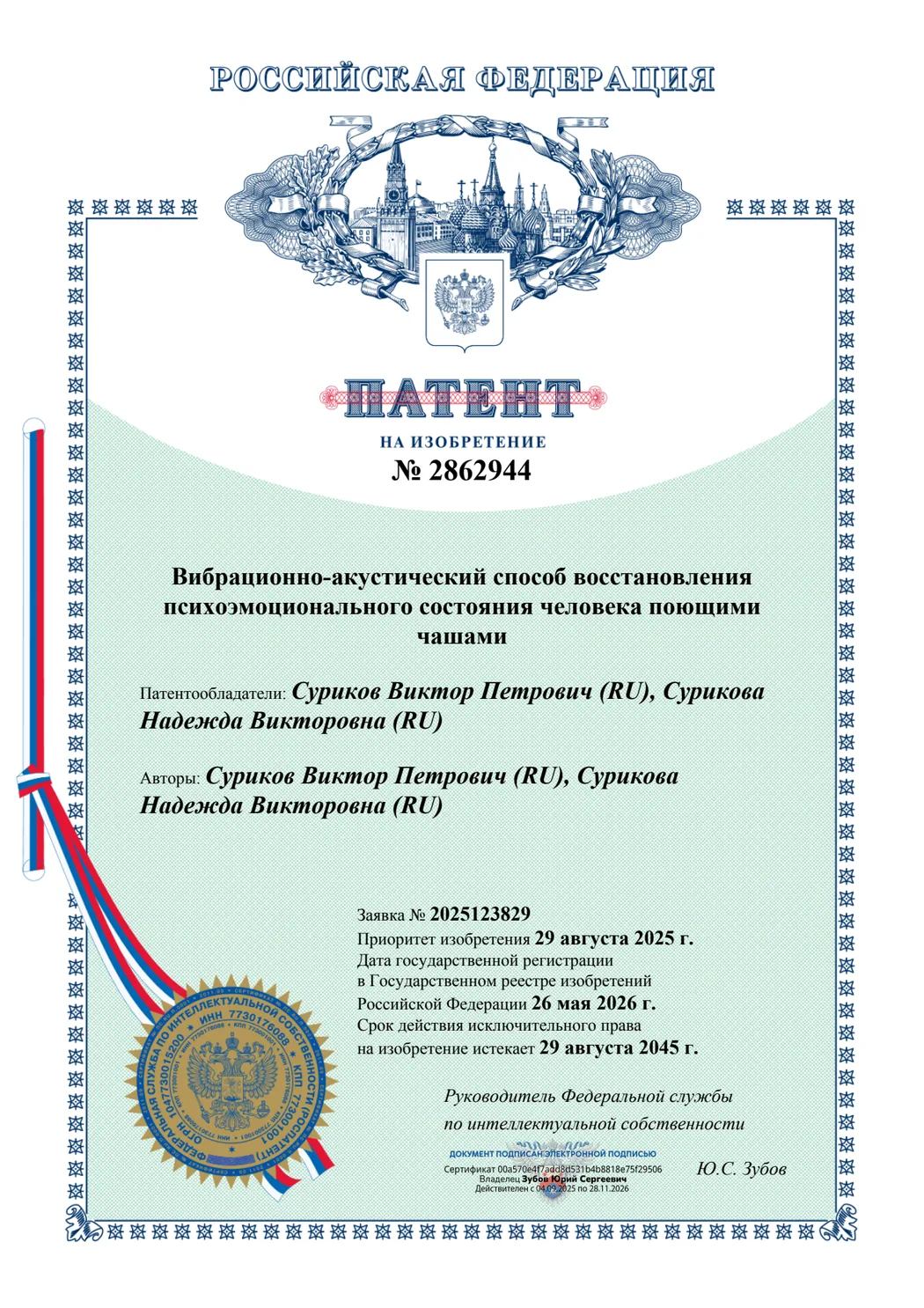
From the archive of the clinical years.
Nepal, 2025–2026
Global Ambassador
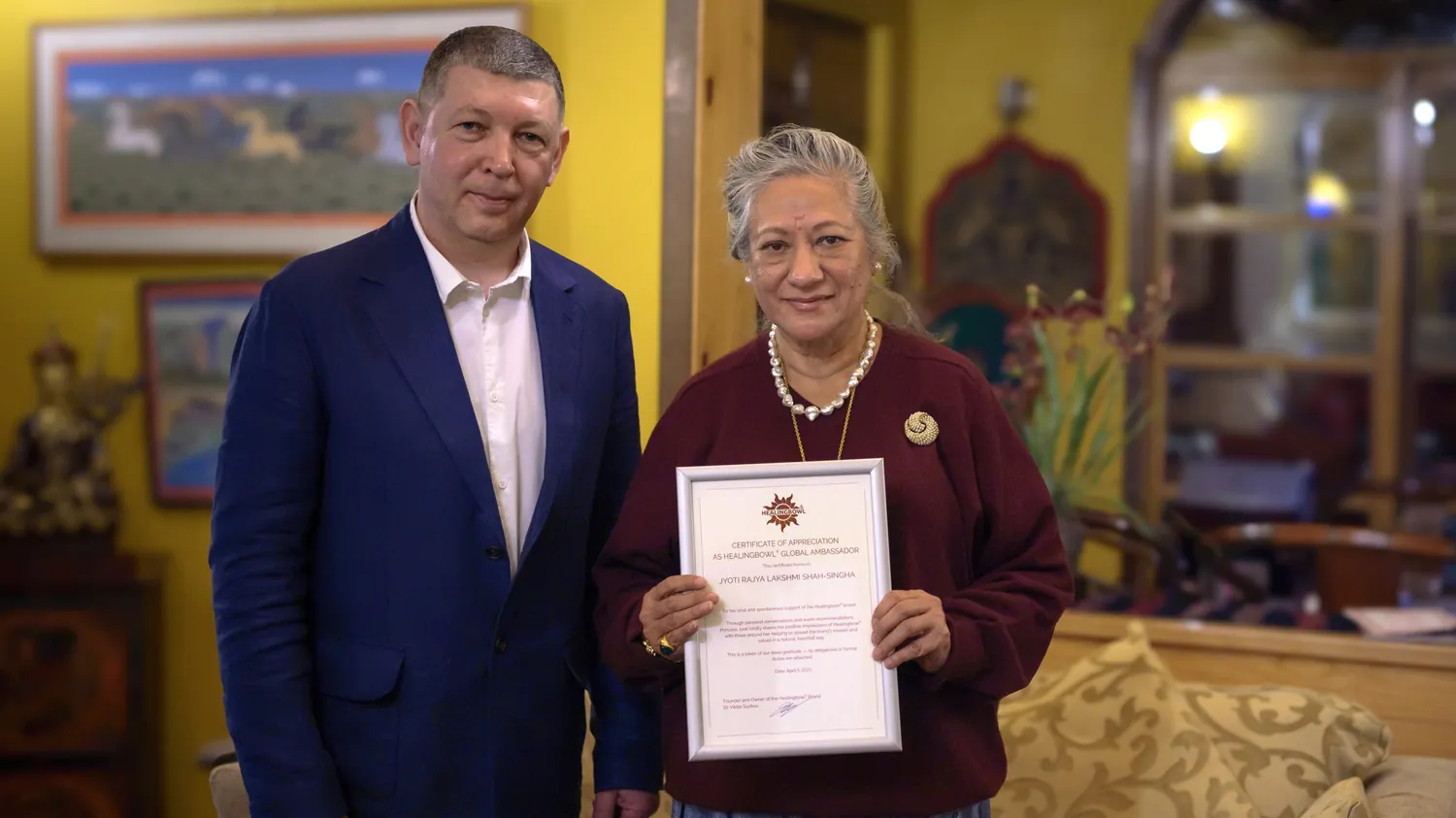
In April 2025 Dr. Surikov was invited to the residence of Princess Jyoti Rajya Lakshmi Shah in Kathmandu to present the method. In February 2026 the Healingbowl® team presented her with the brand's first Global Ambassador certificate.
In short
A method with protocols, and instruments built to defined requirements.
Healingbowl® exists because a doctor could not get a straight answer about what singing bowls do. What came out of that is a fixed sequence rather than improvisation, and bowls made to defined requirements rather than bought from a market — by hand, in Nepal, by people we have worked with for fifteen years.