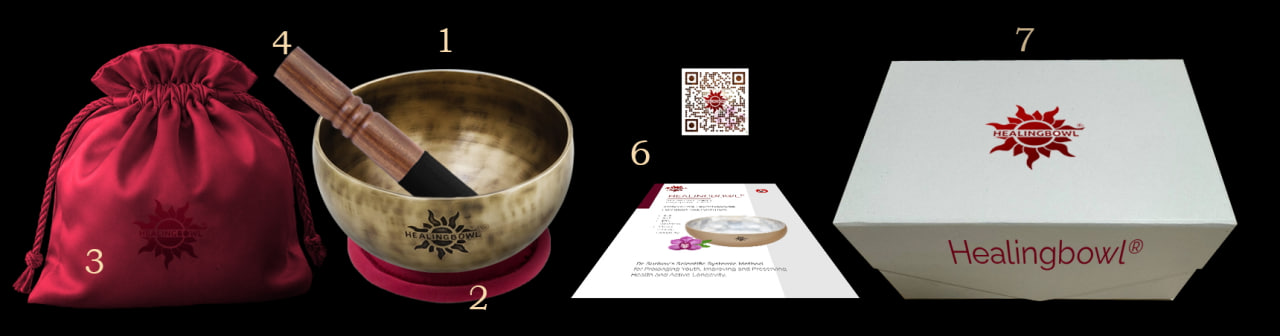
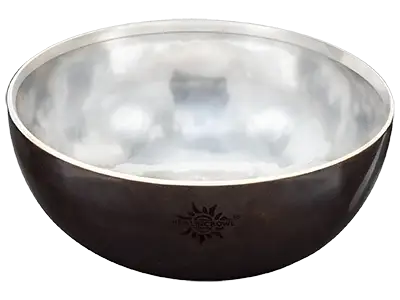
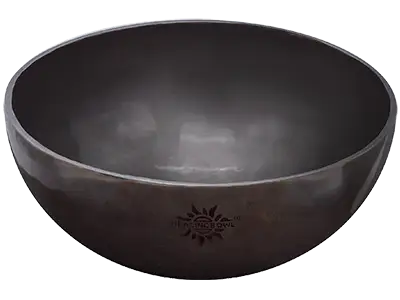
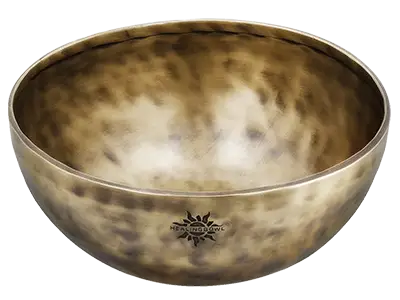
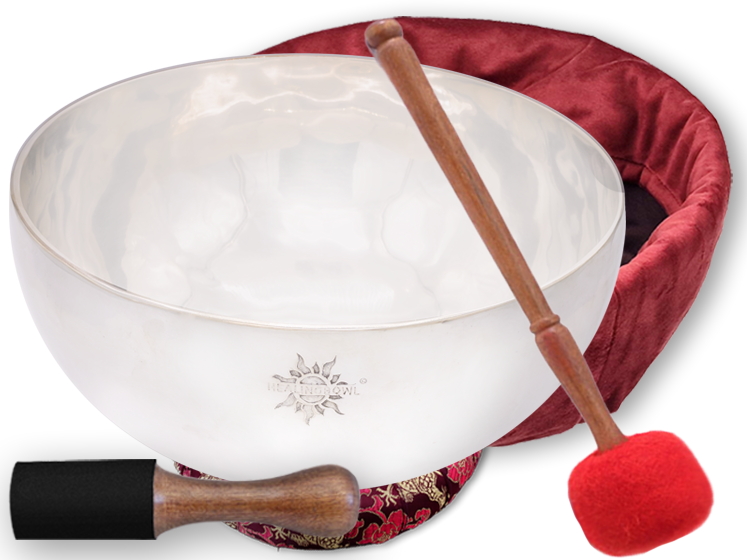
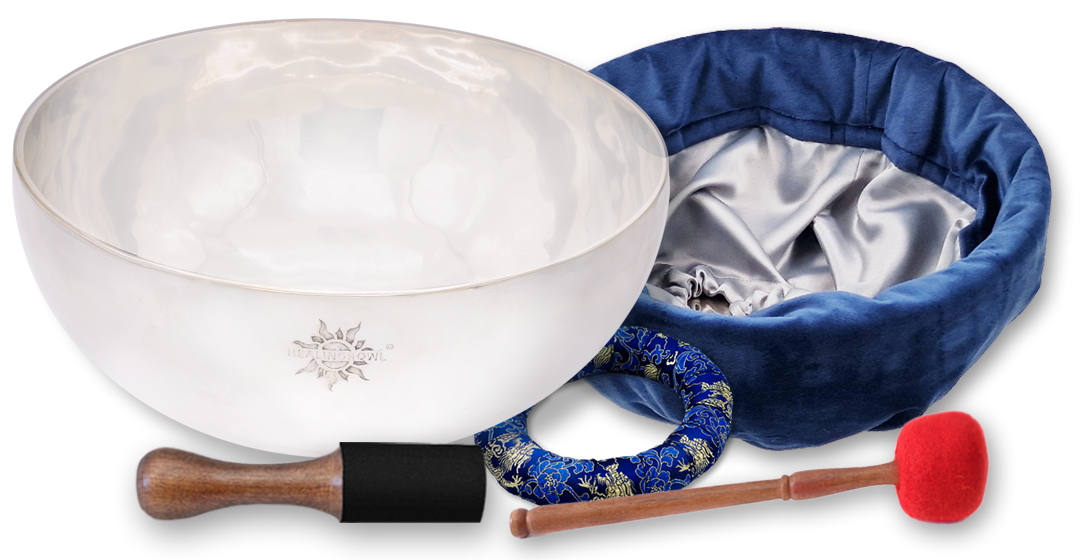
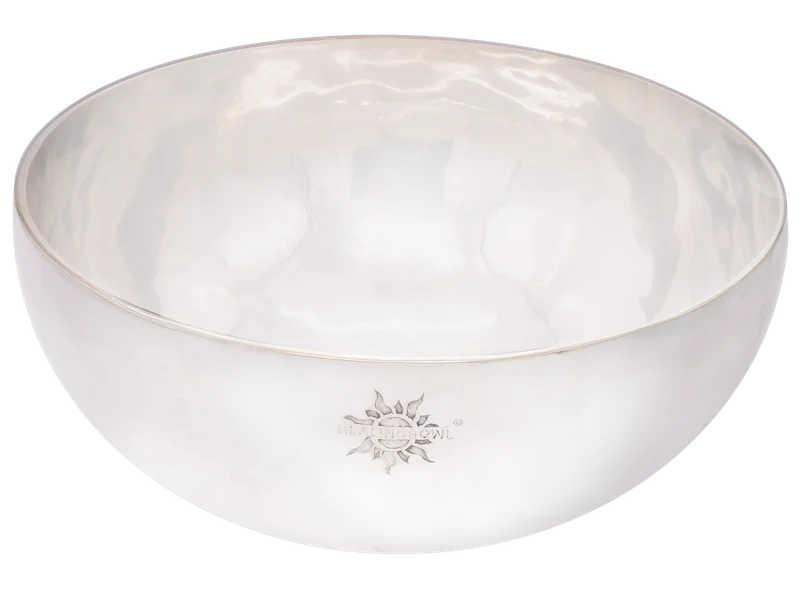
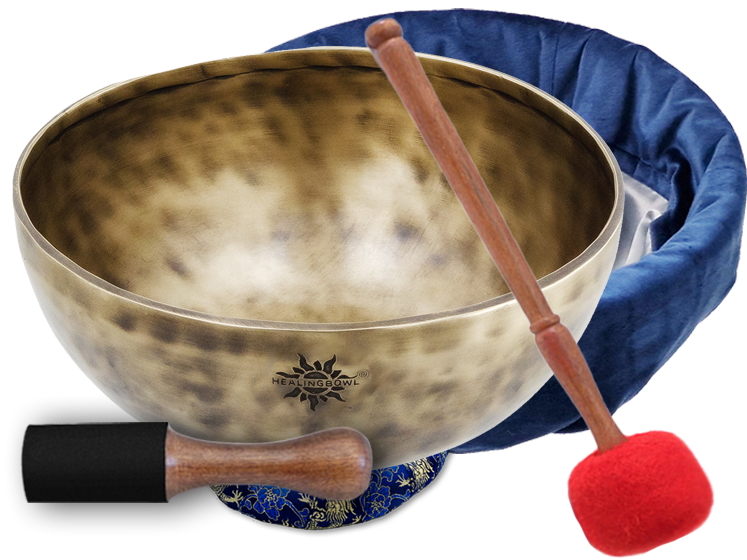
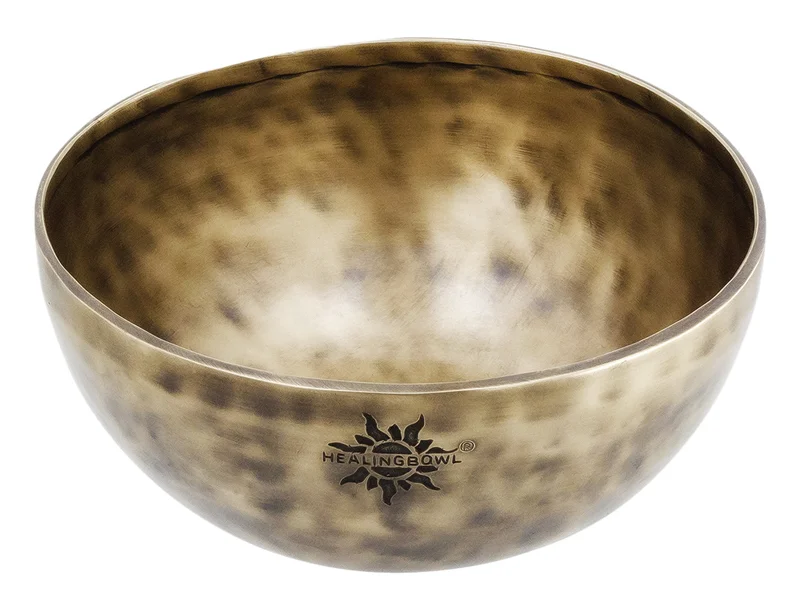
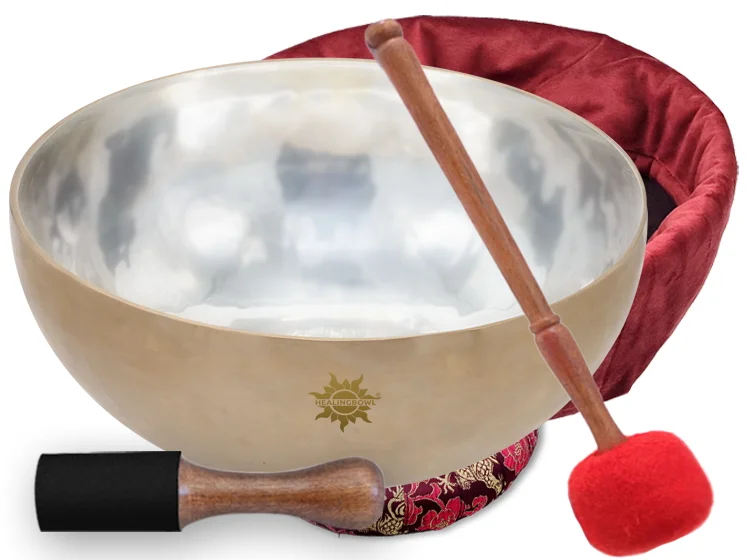
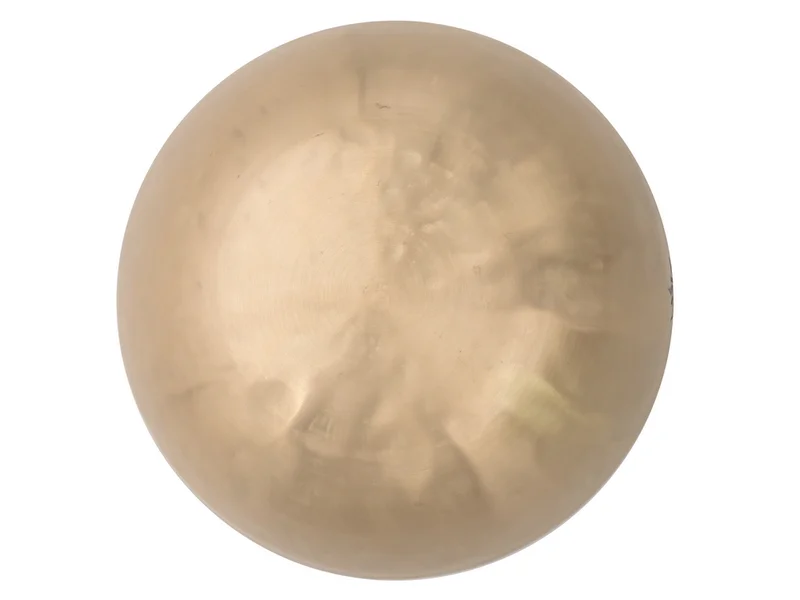
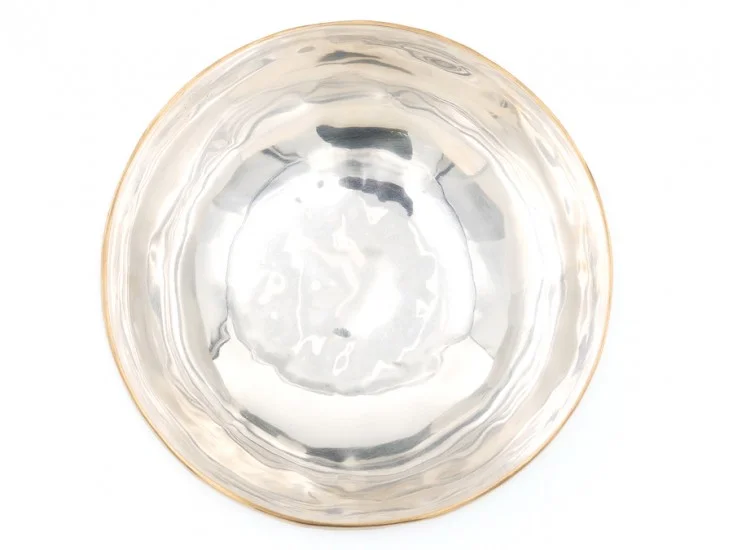
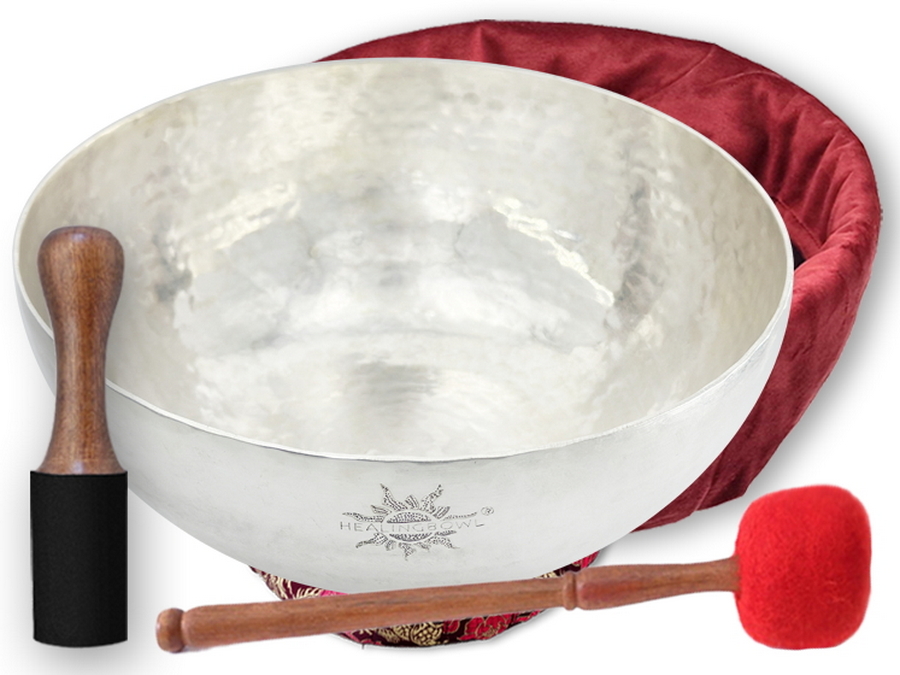
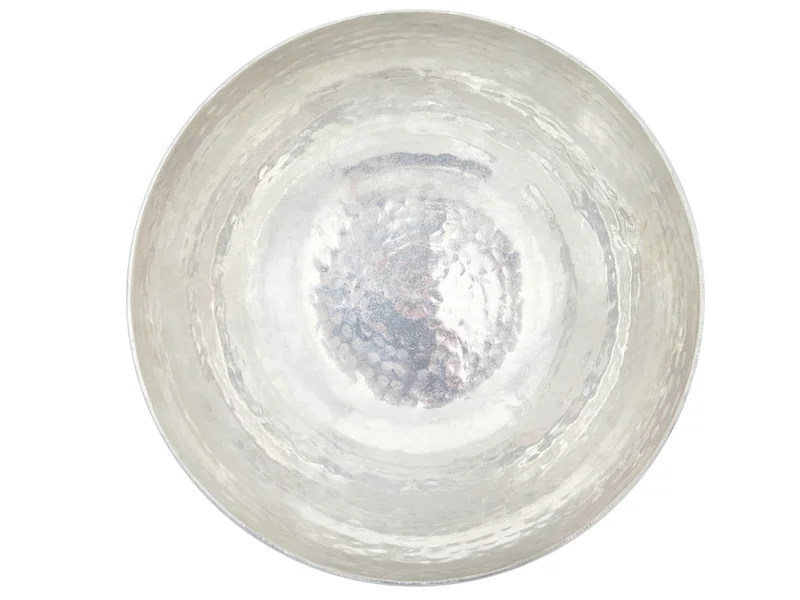
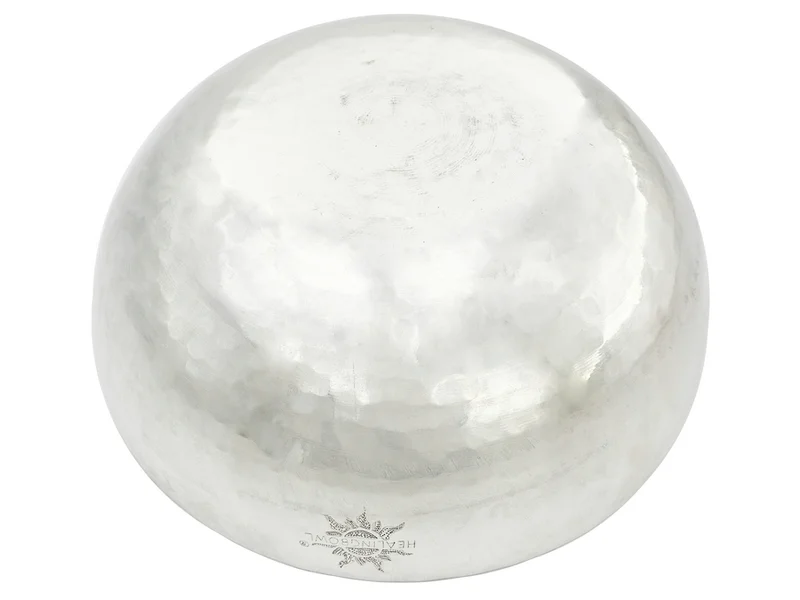
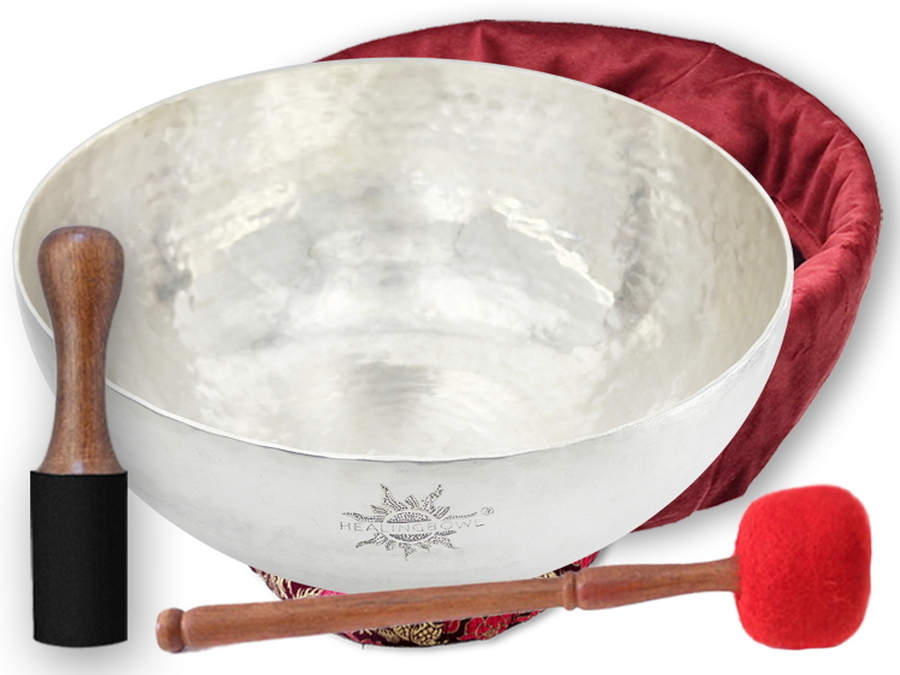
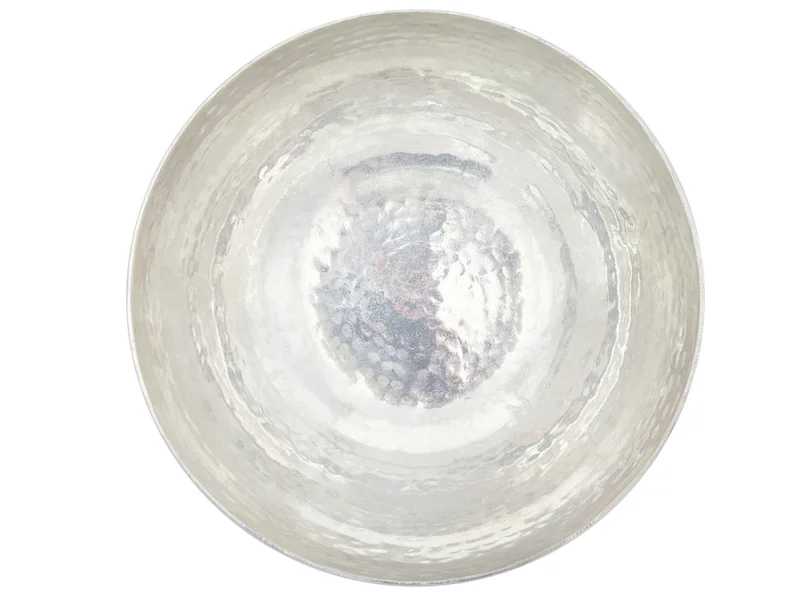
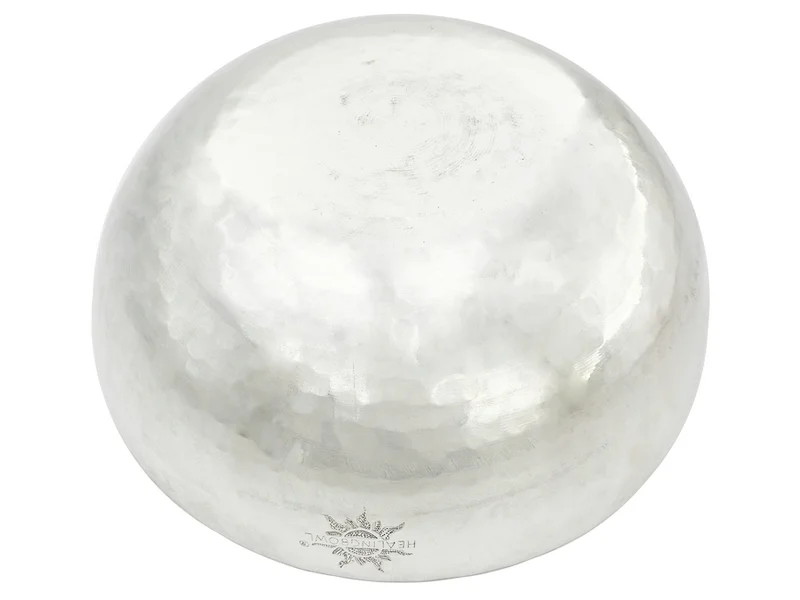
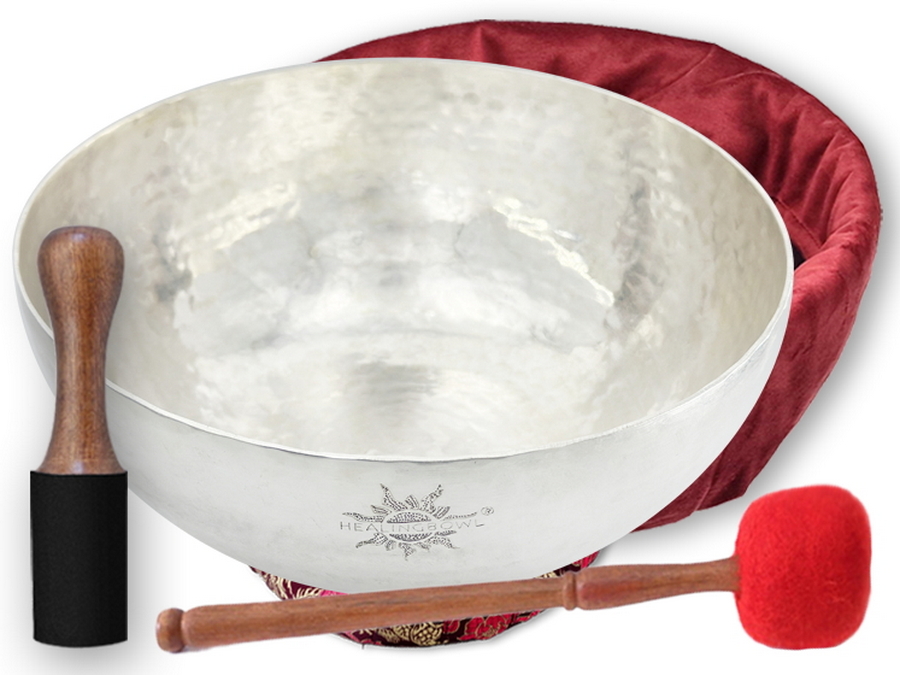
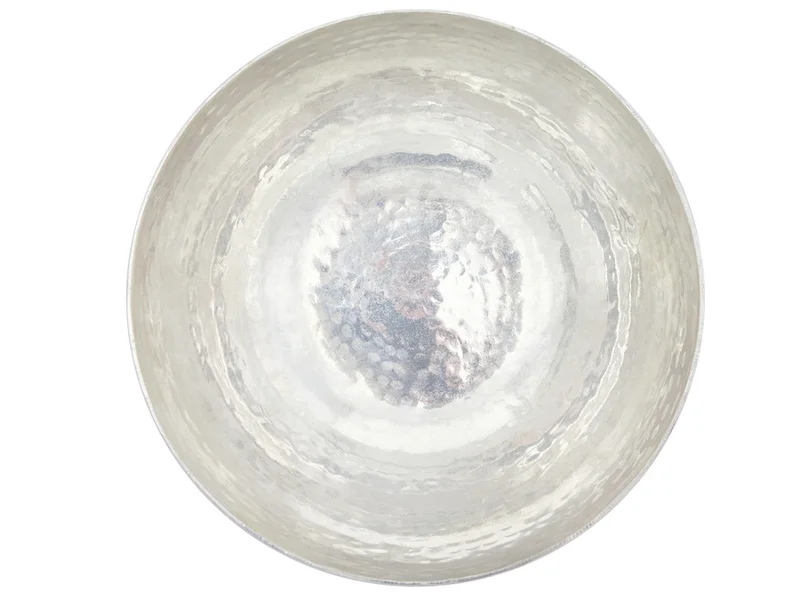
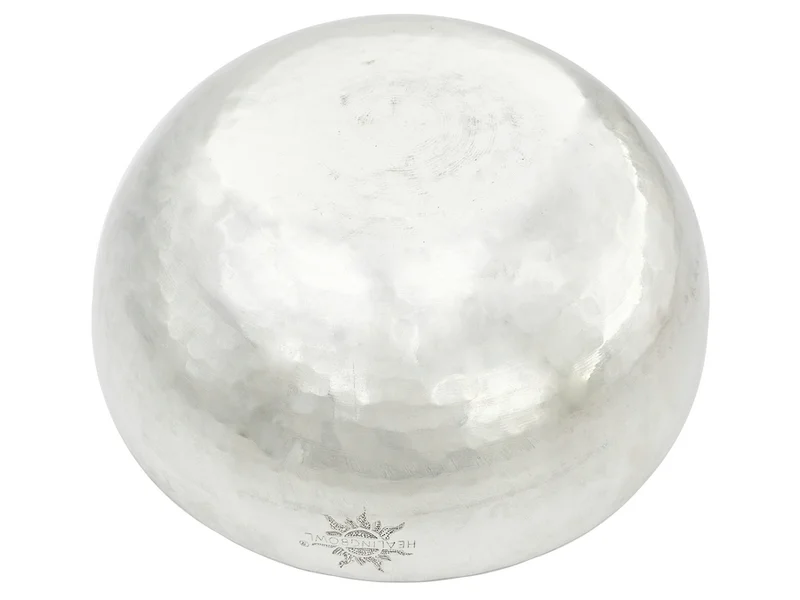
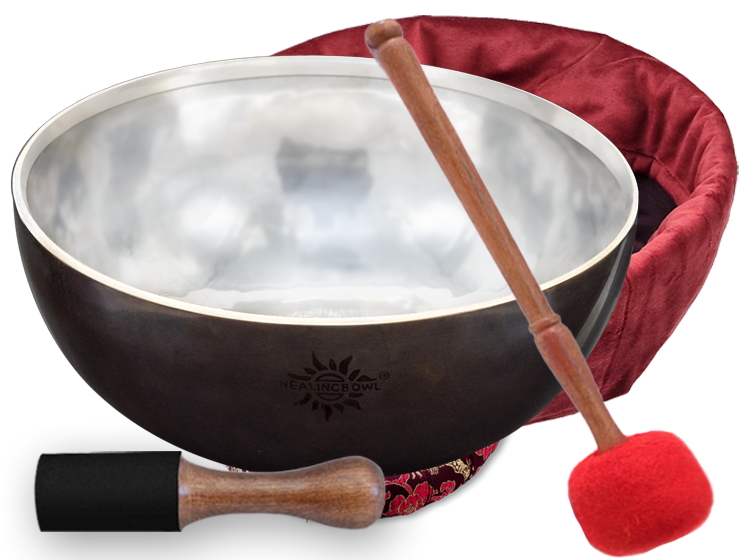
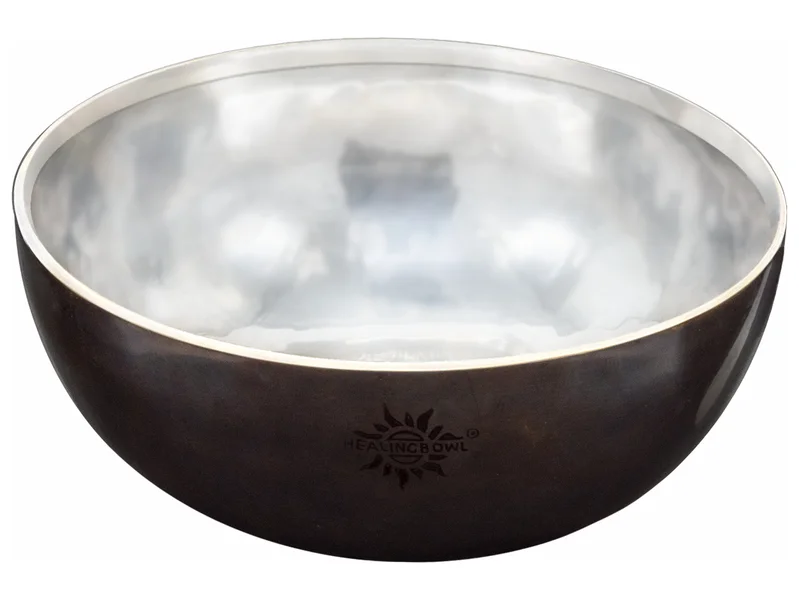
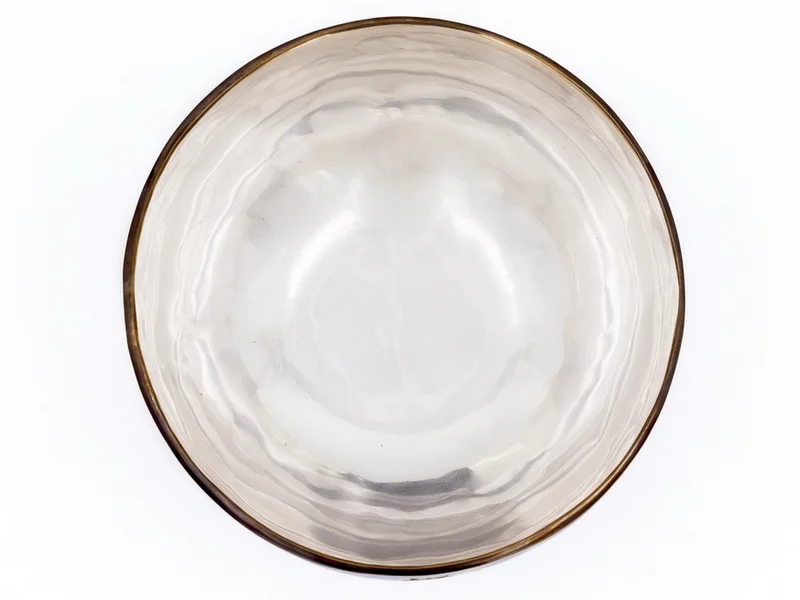
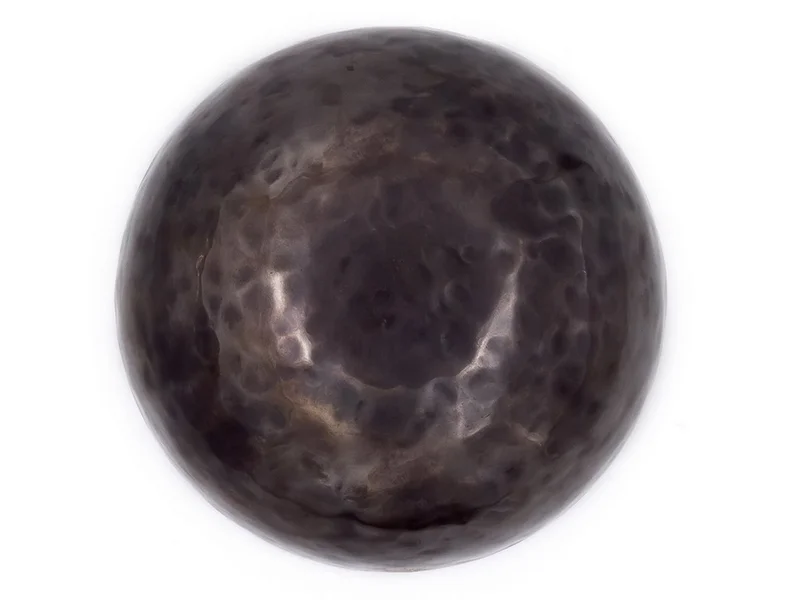
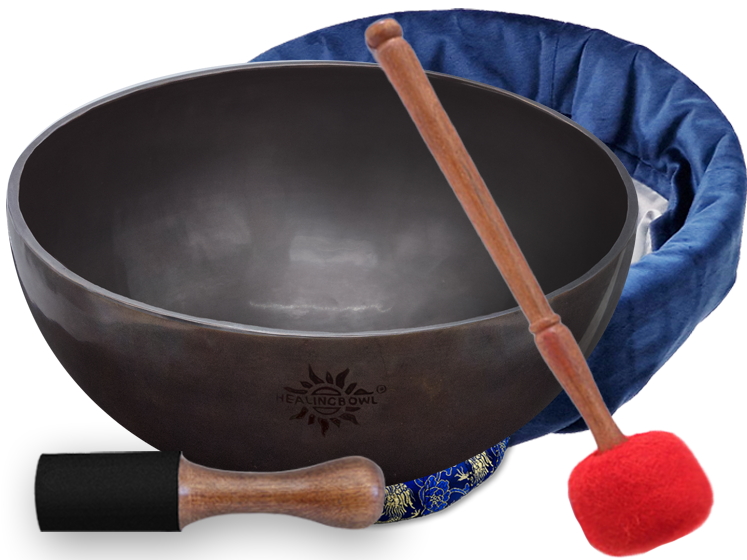
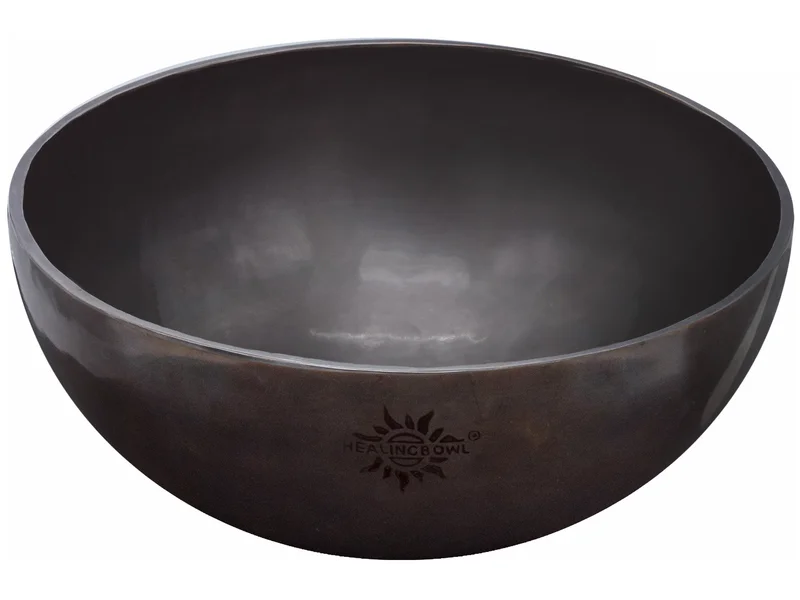
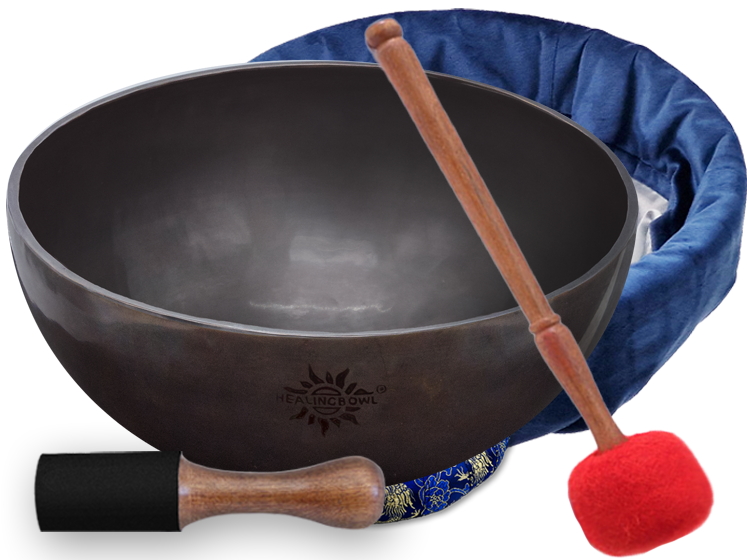
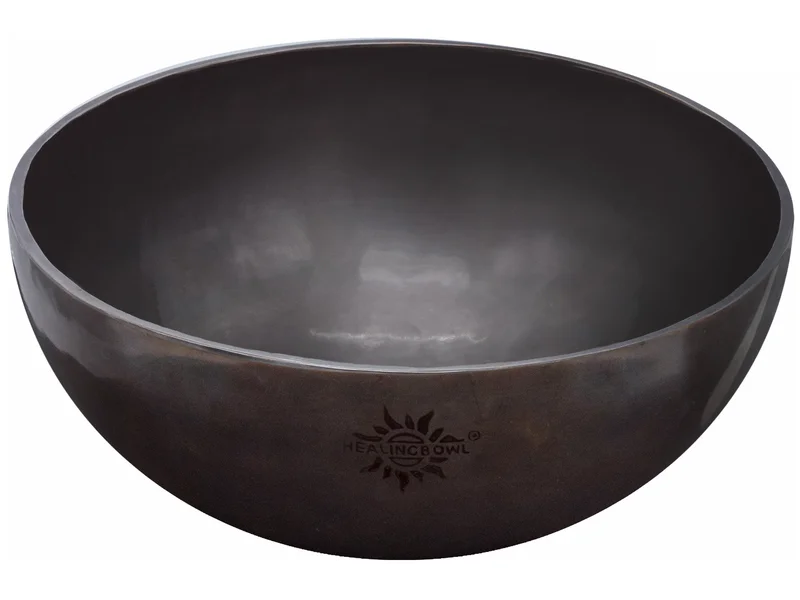
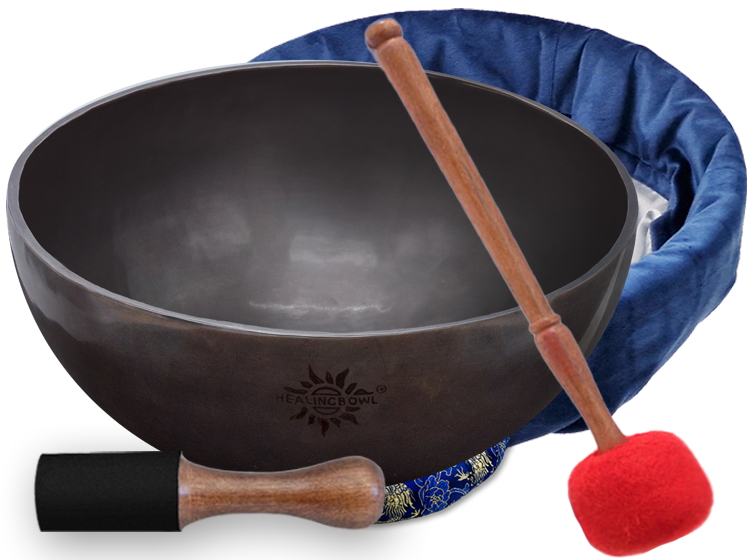
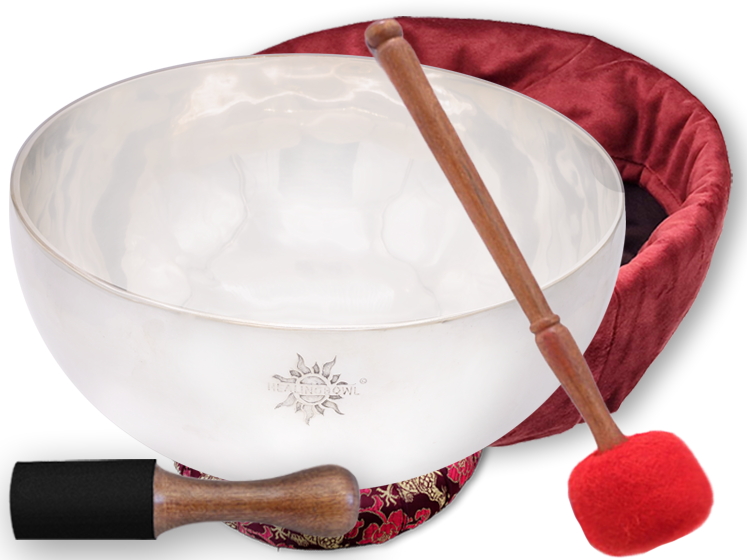
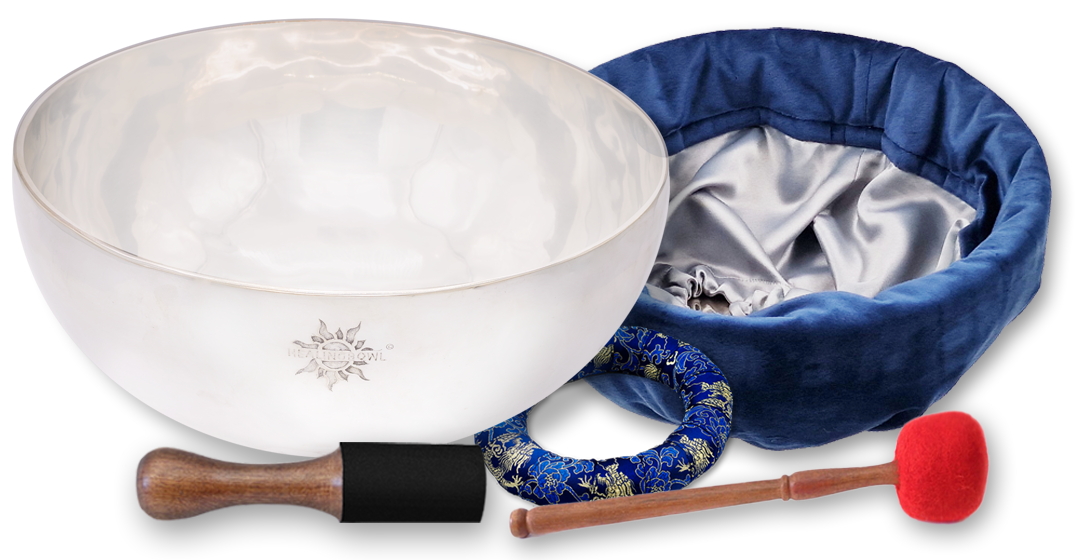
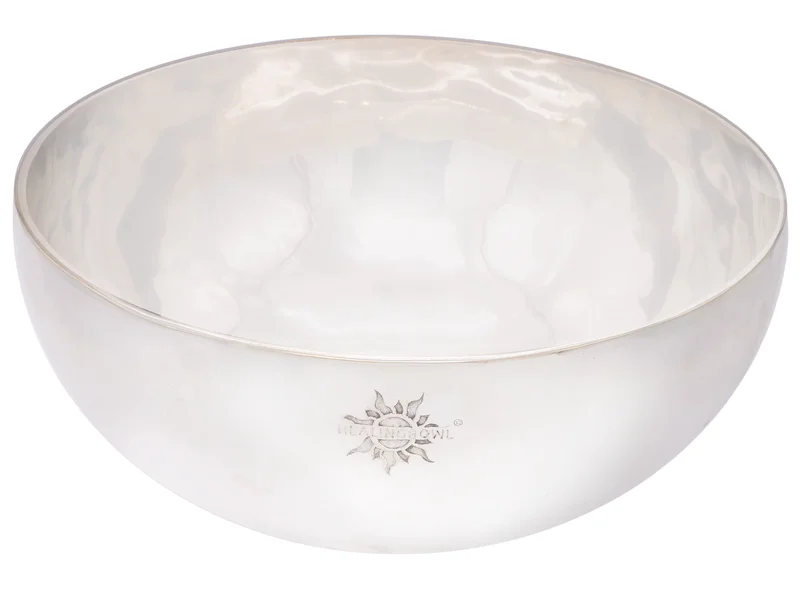
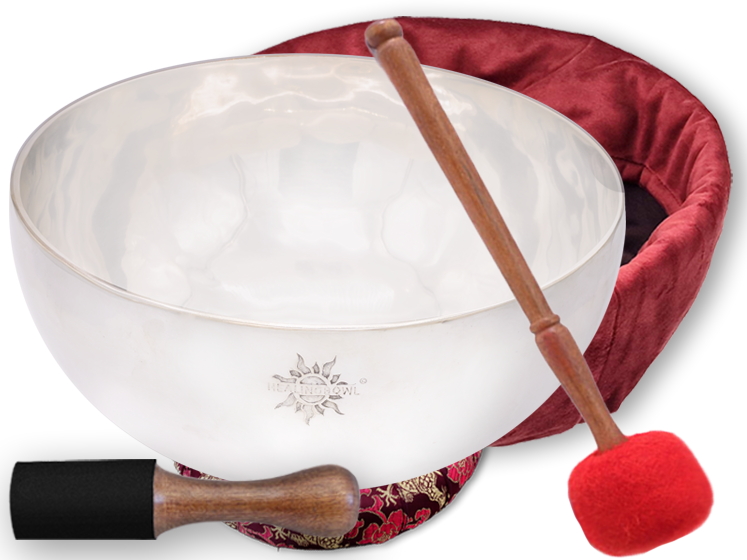
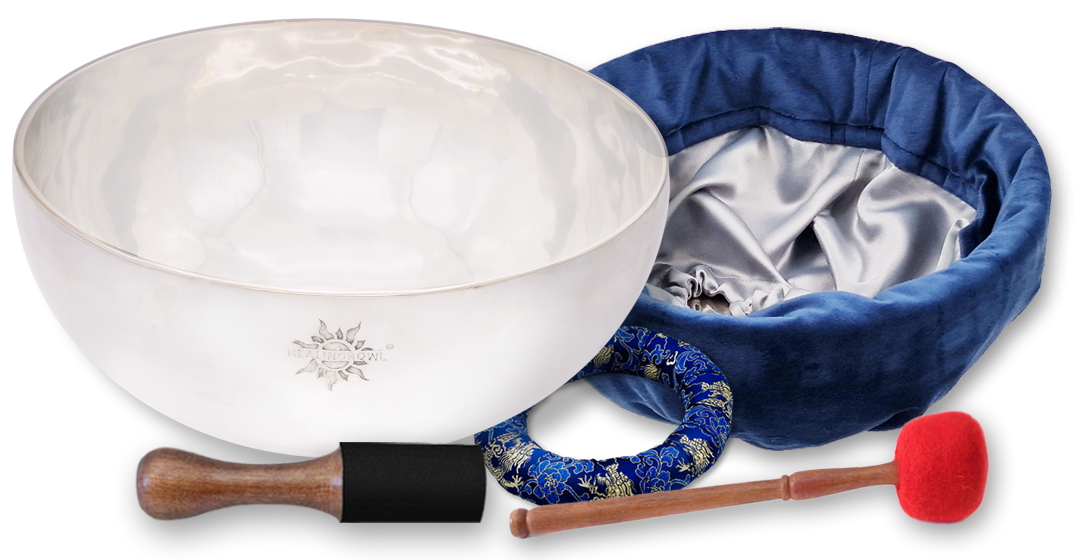
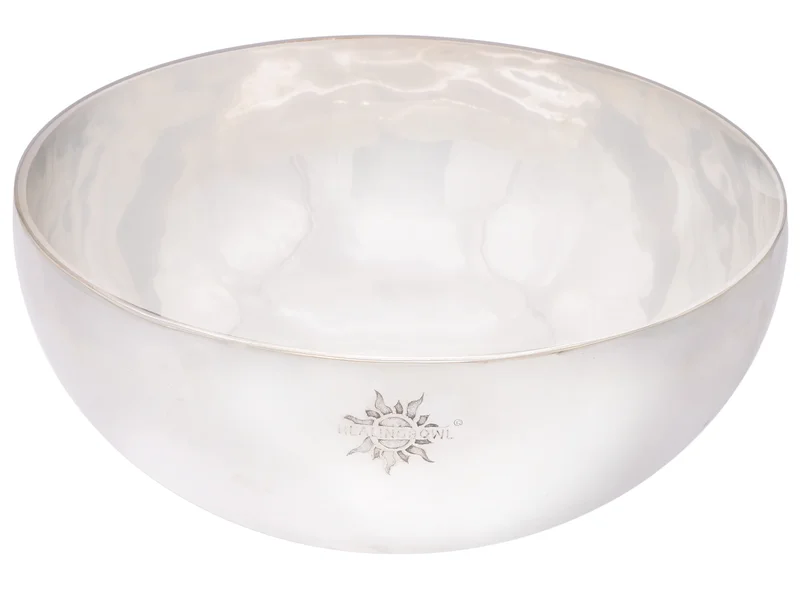
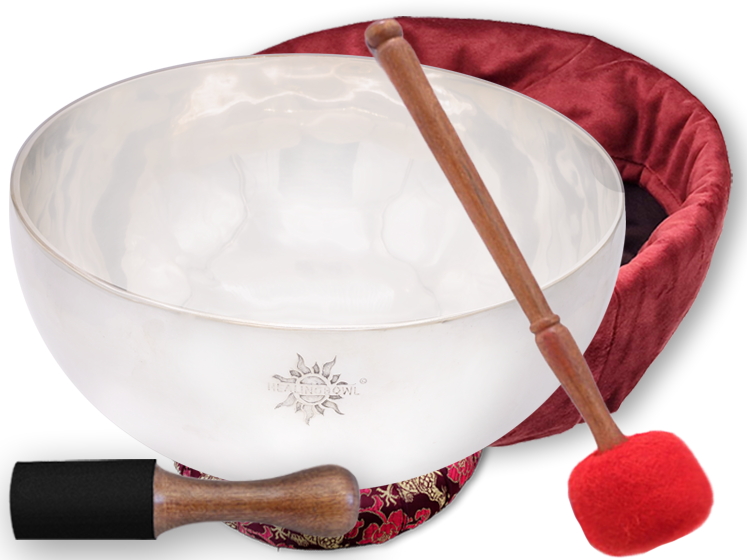
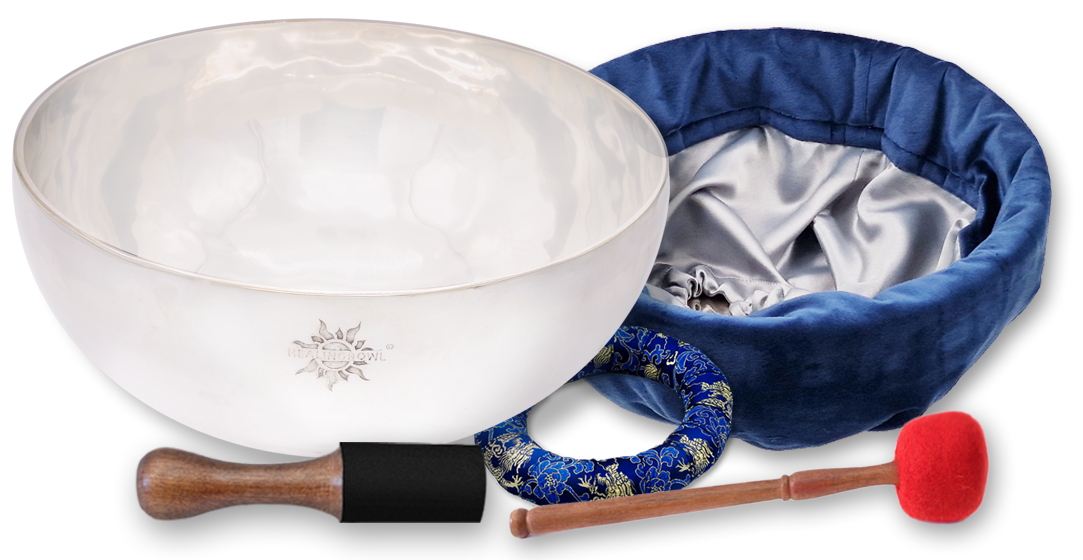
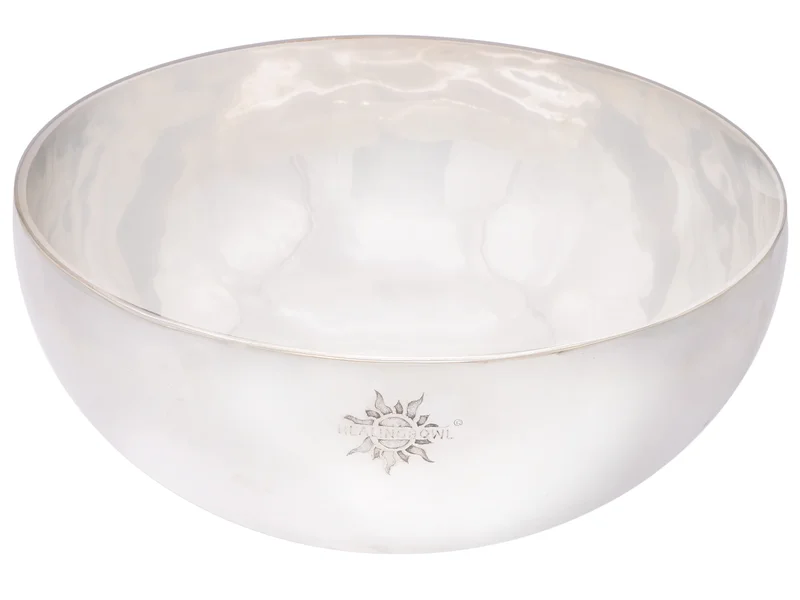
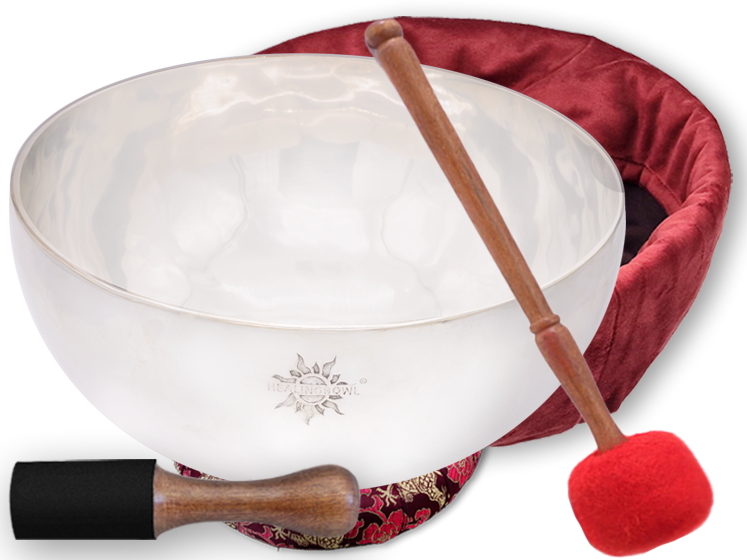
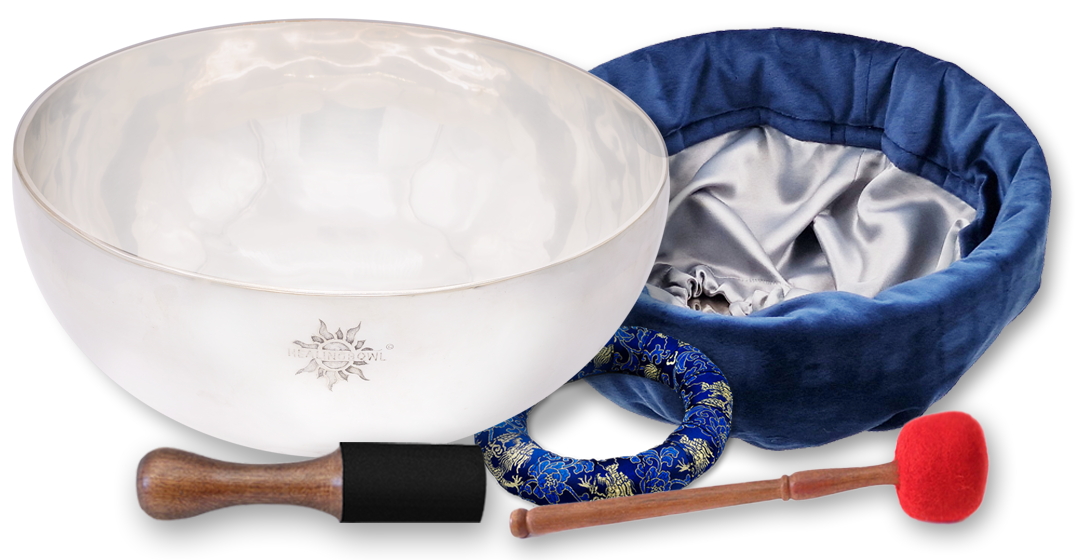
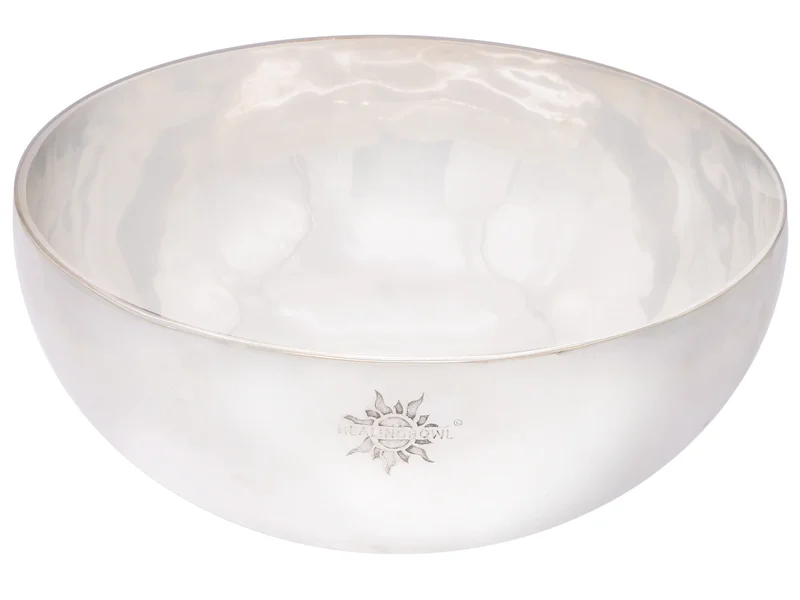
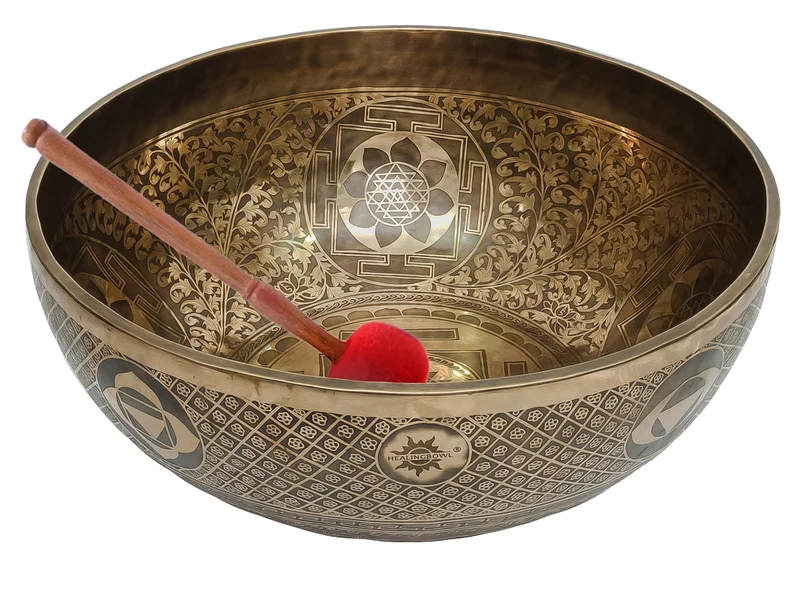
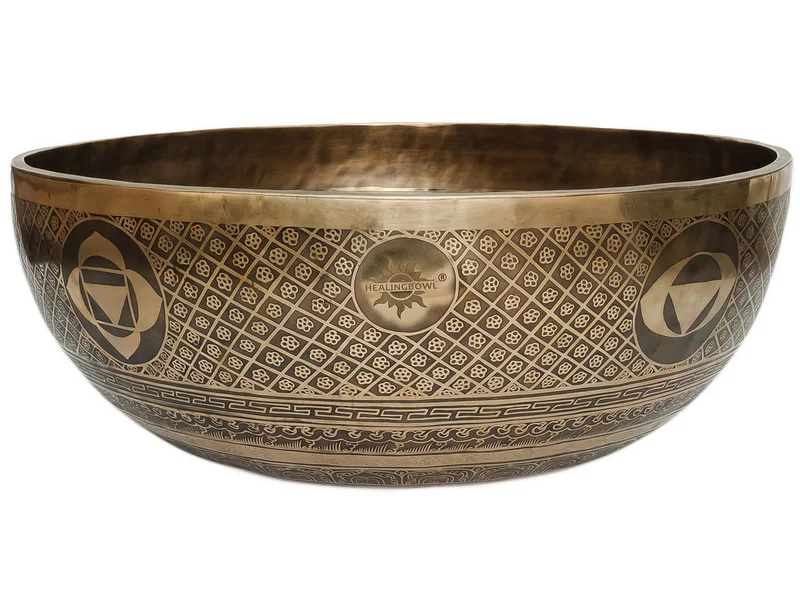
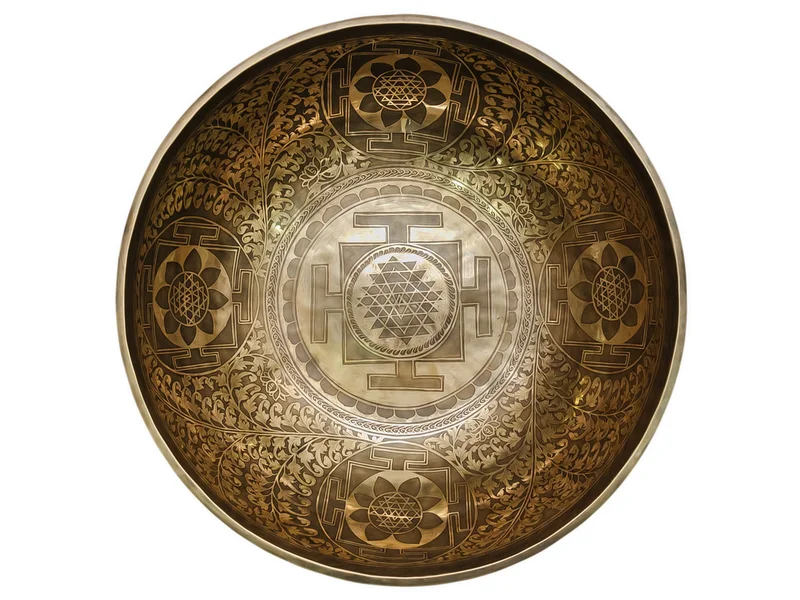
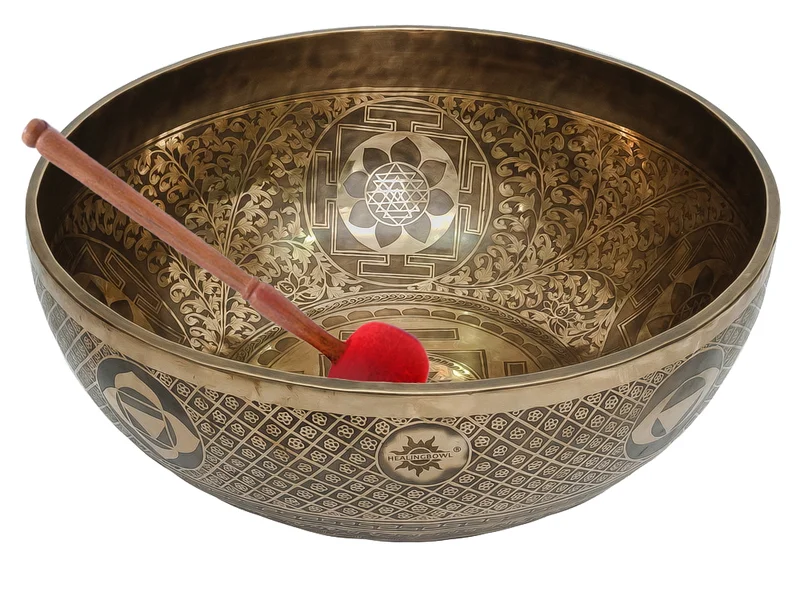
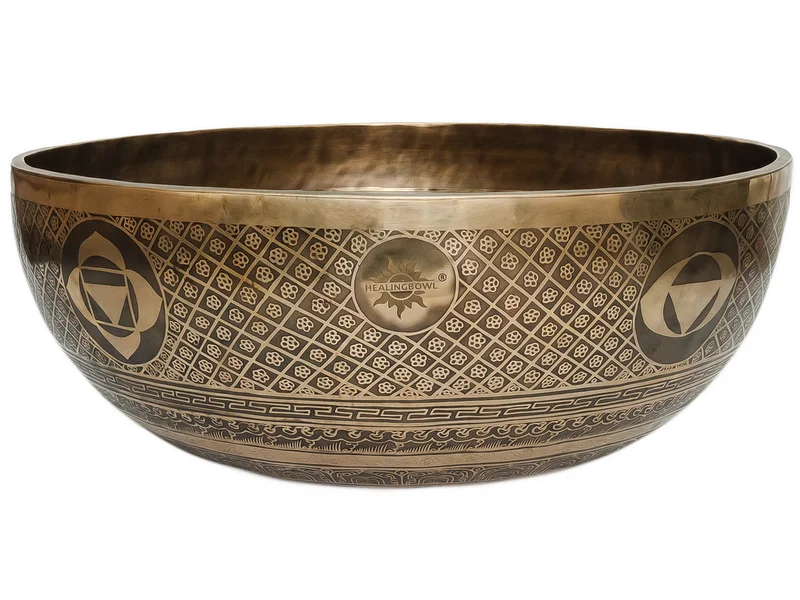
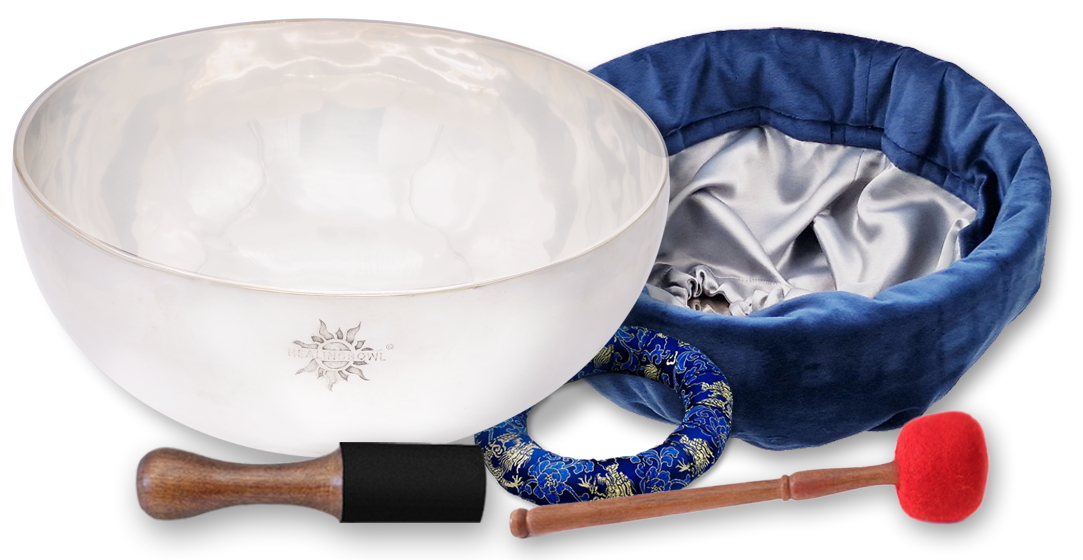
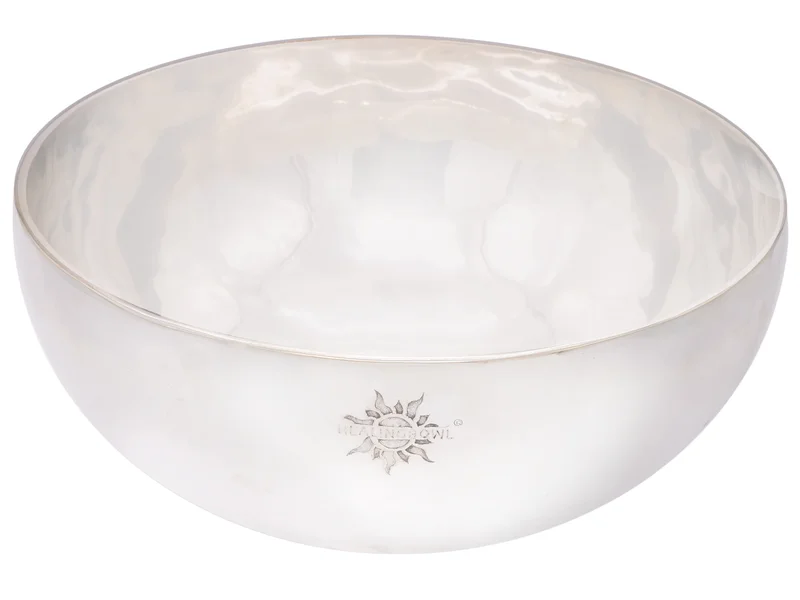
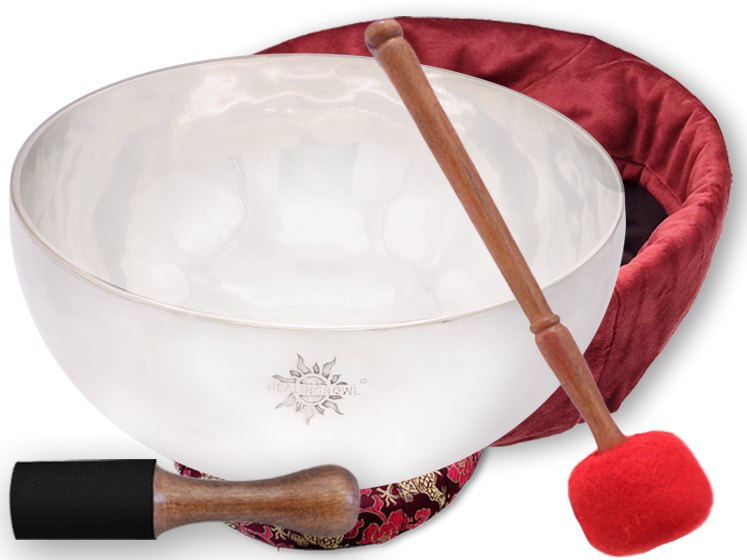
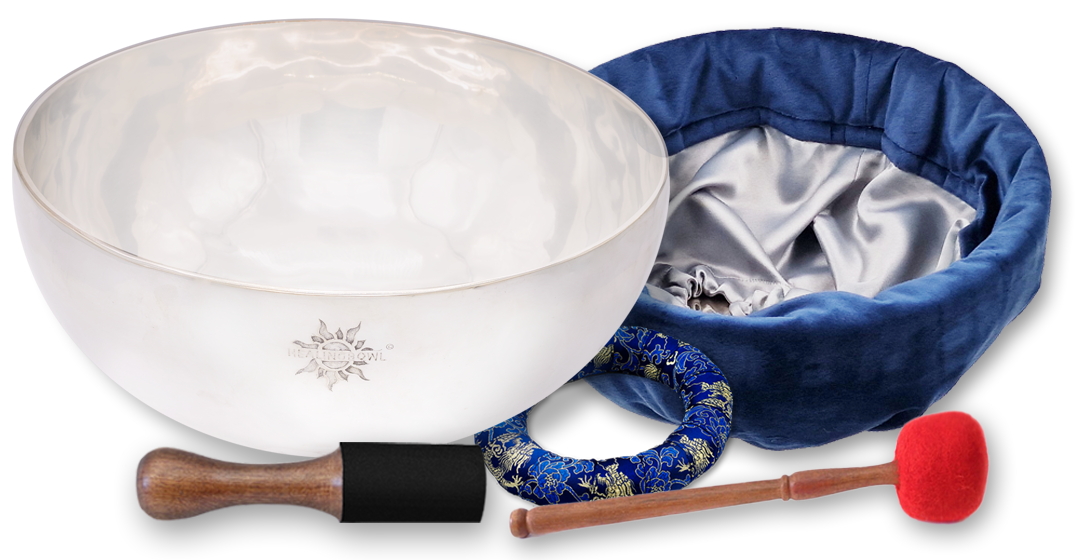
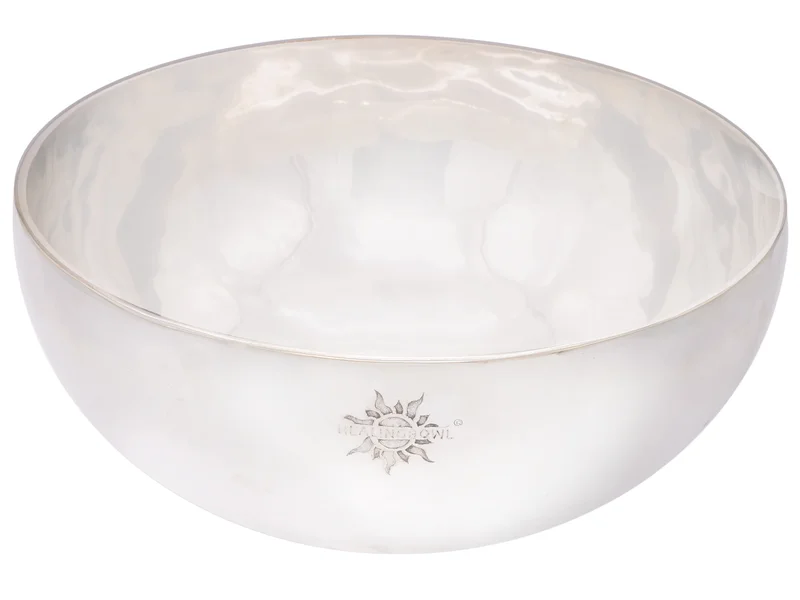
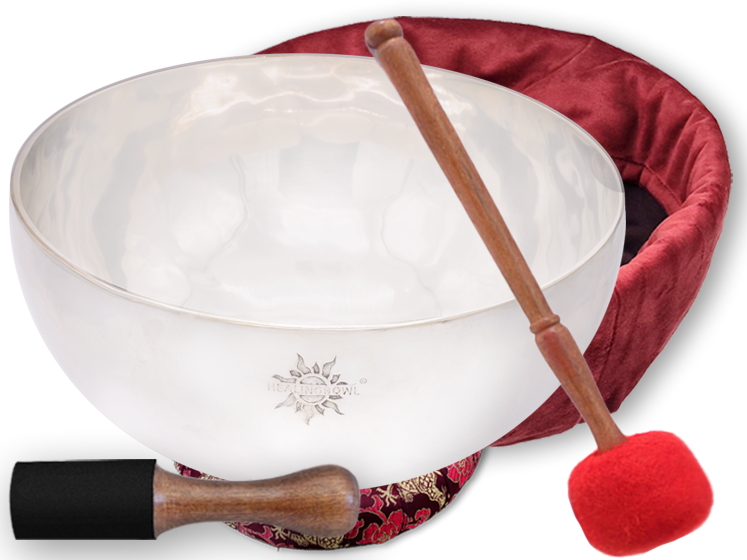
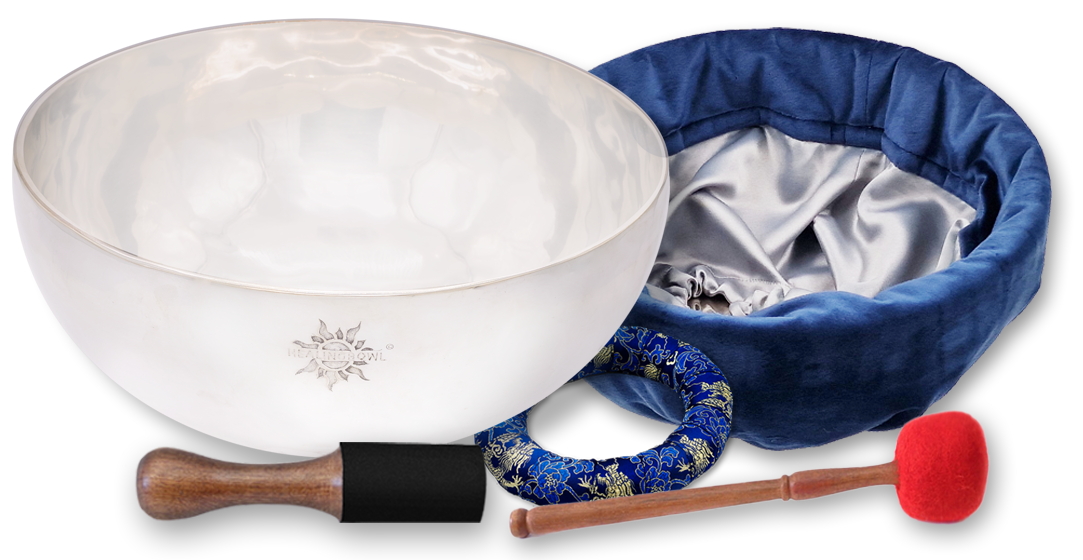
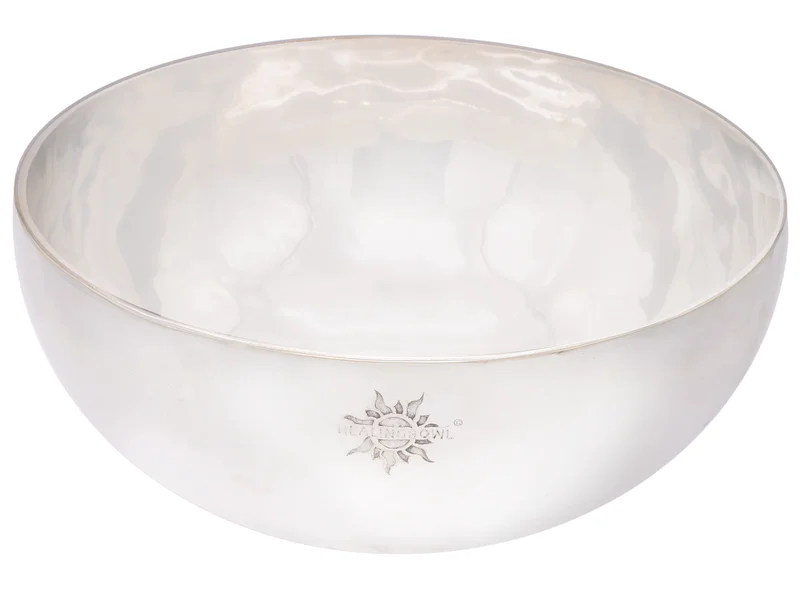
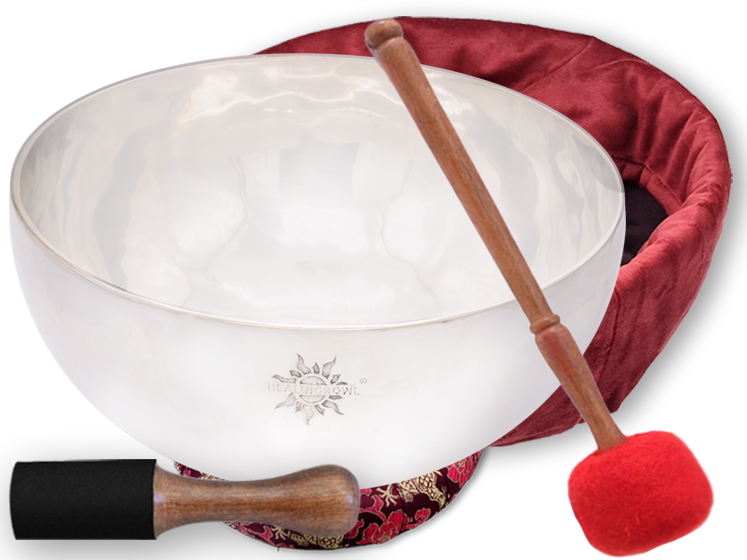
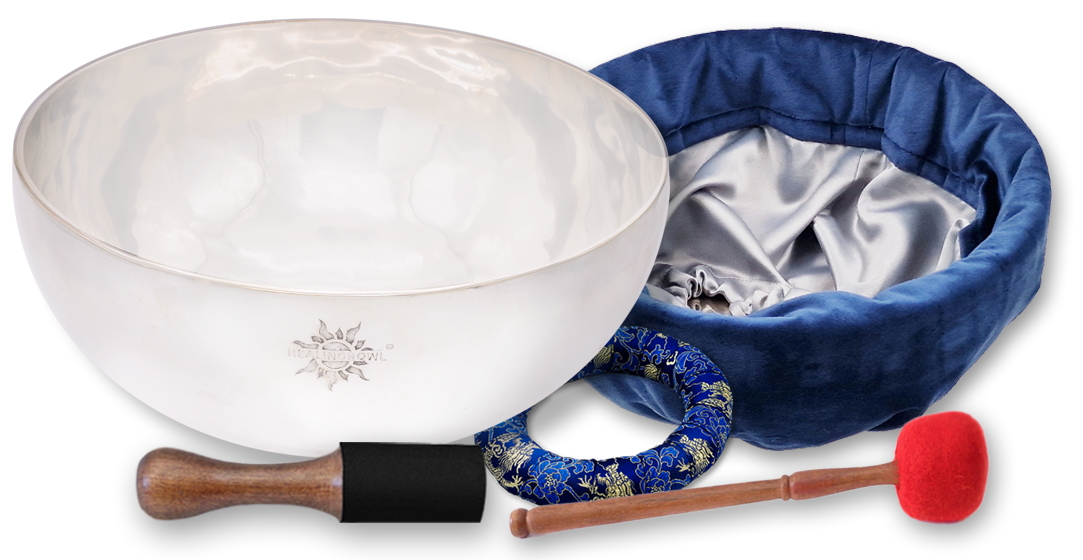
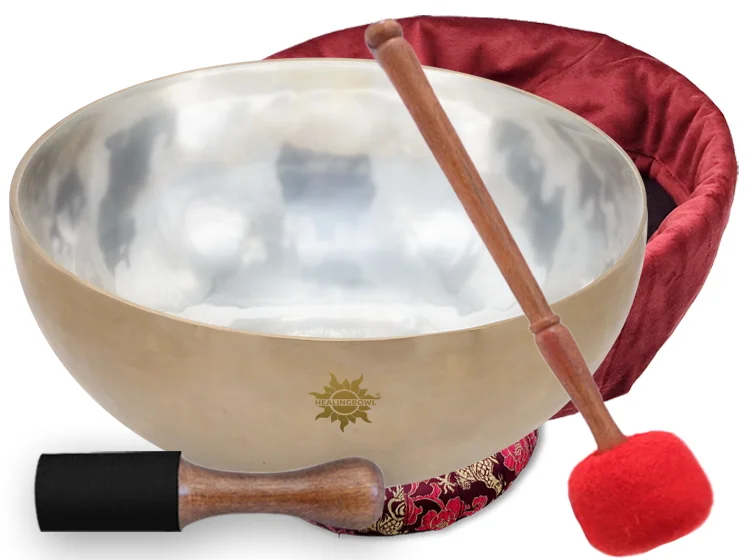
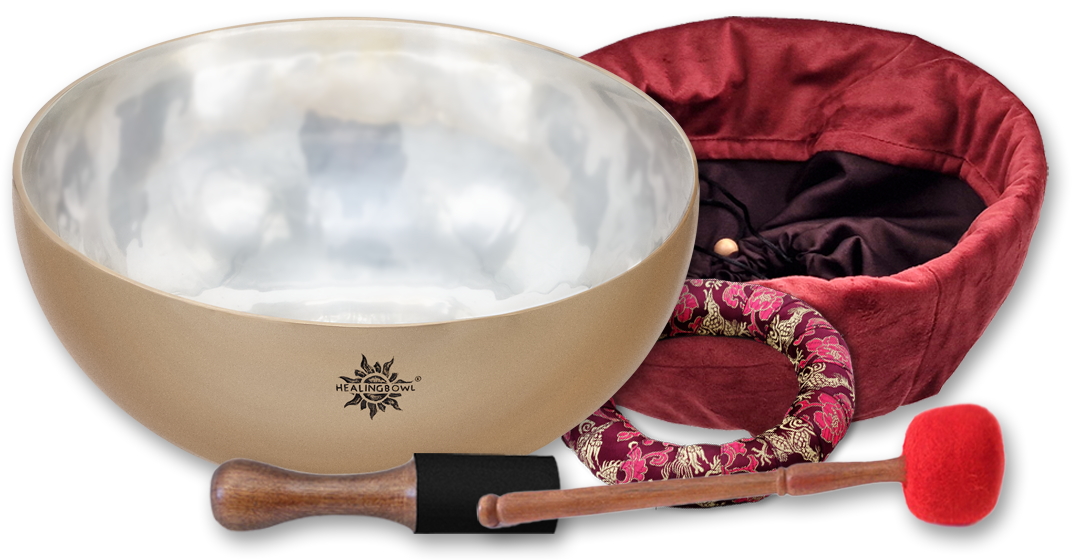
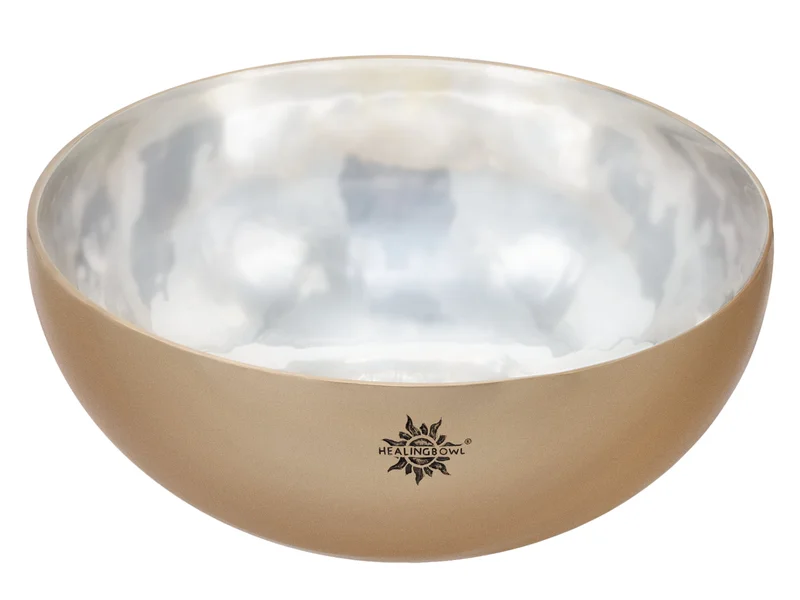
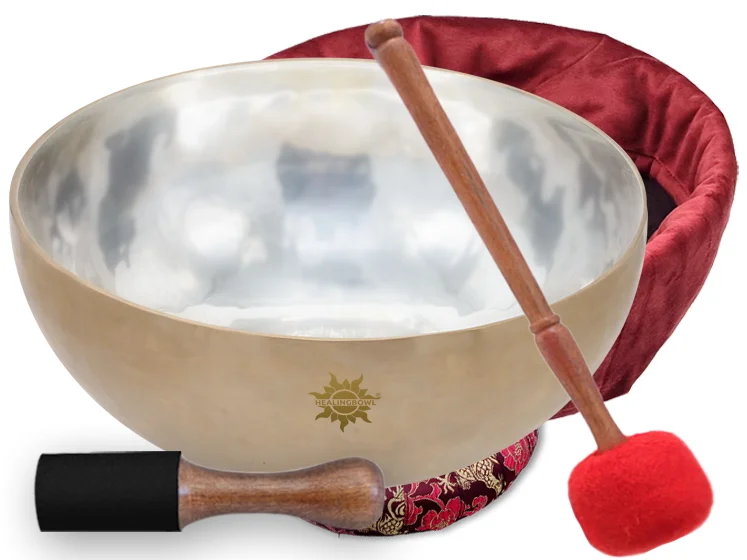
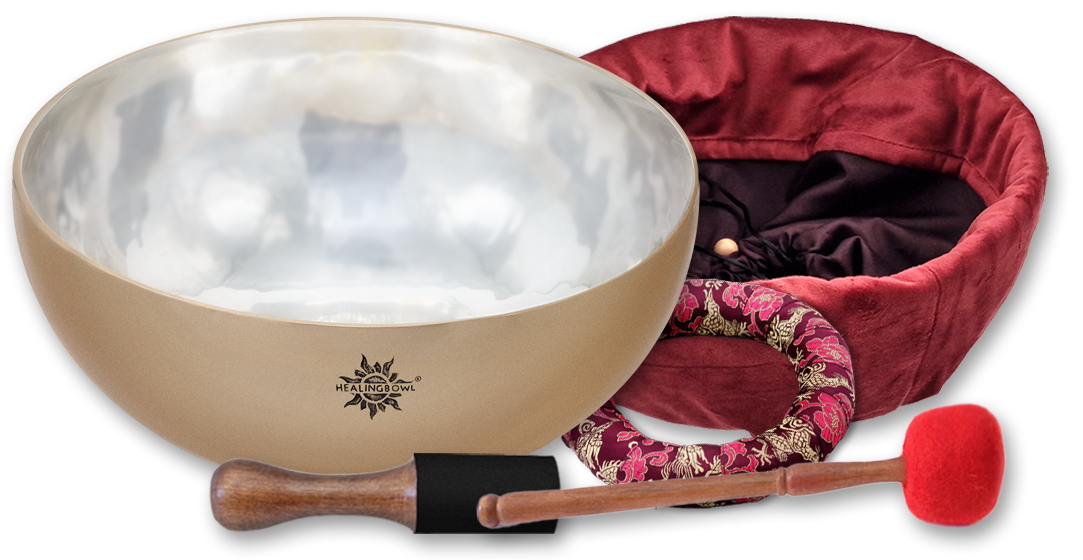
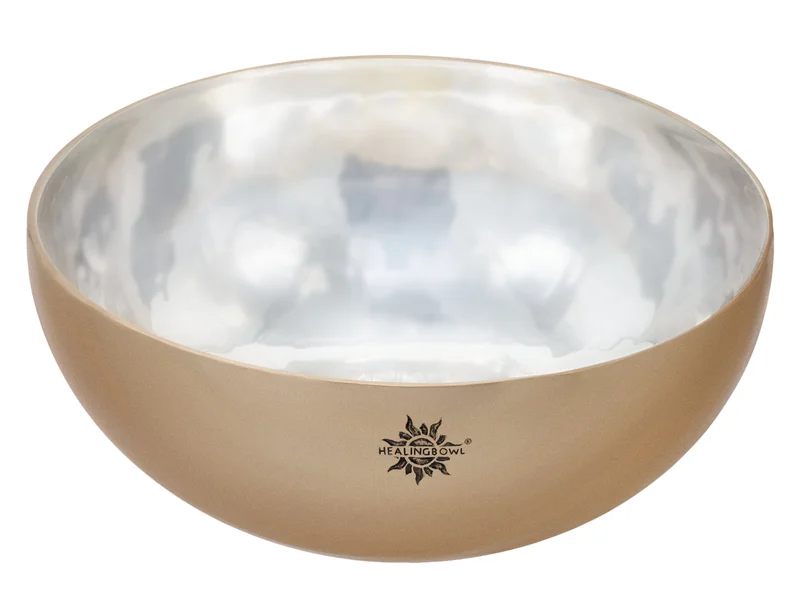
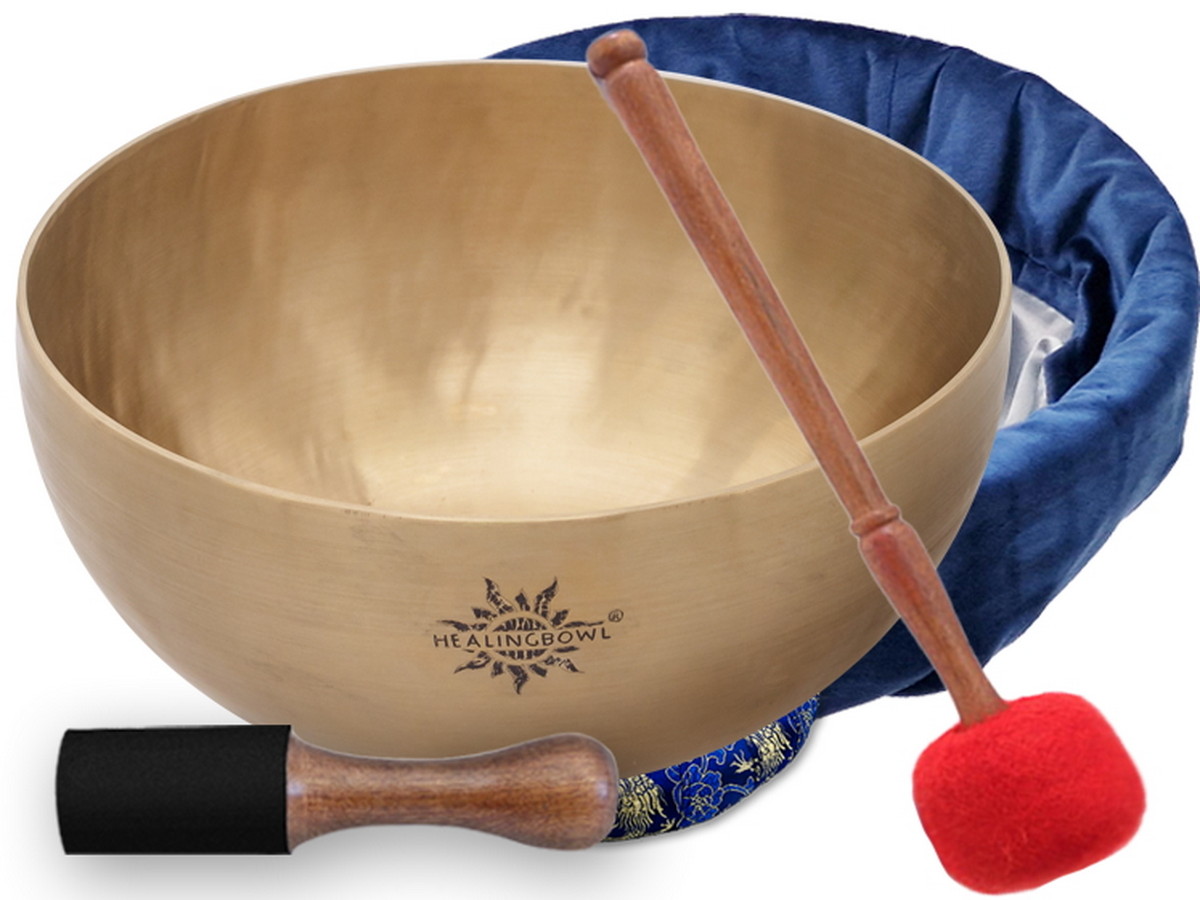
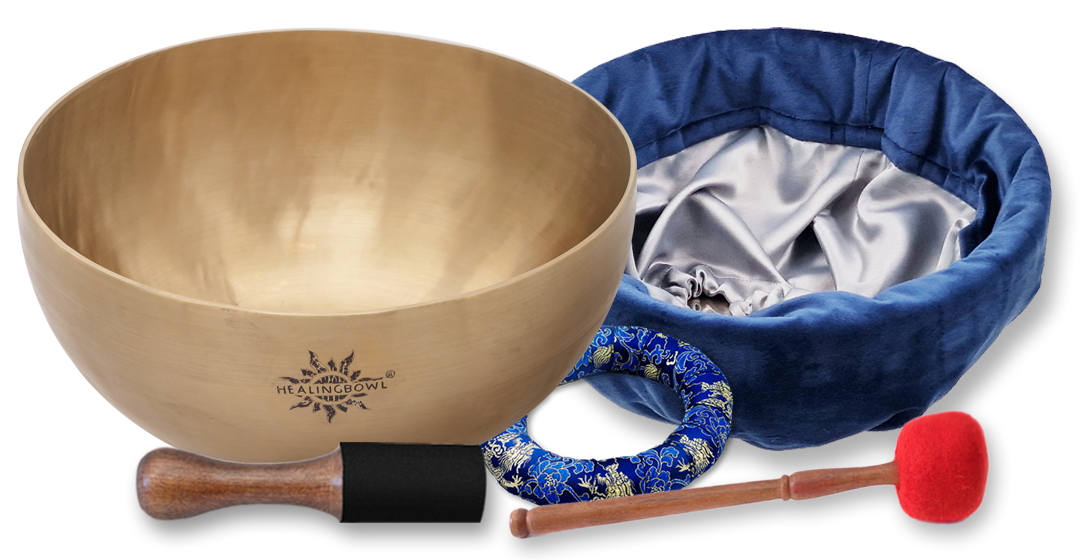
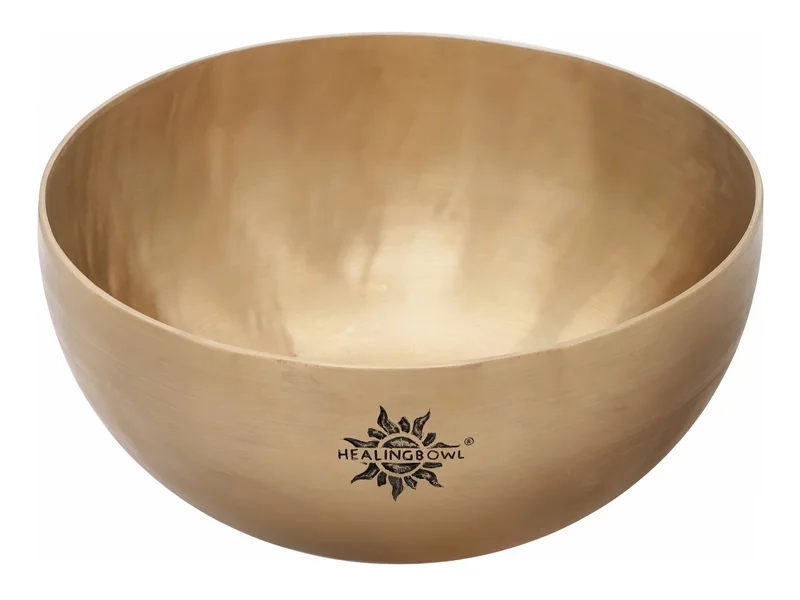
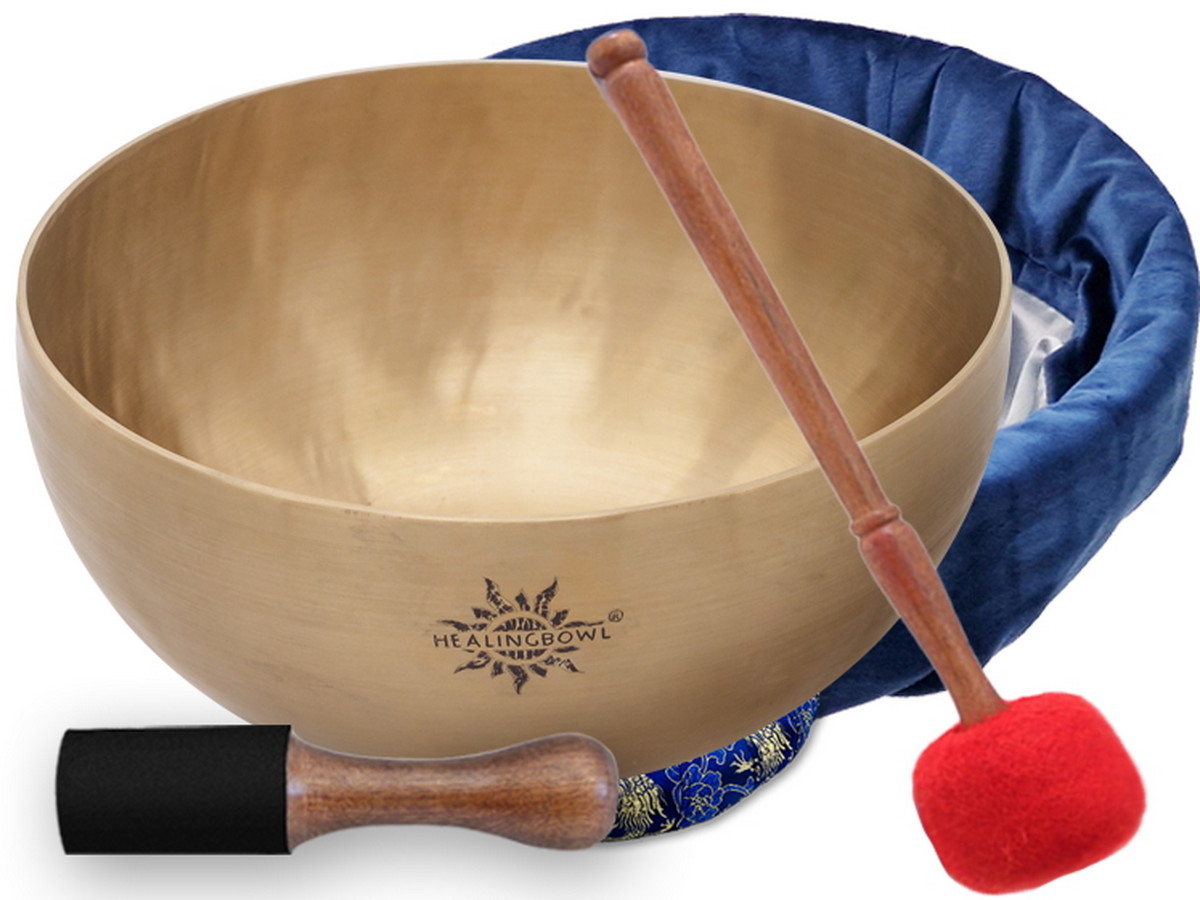
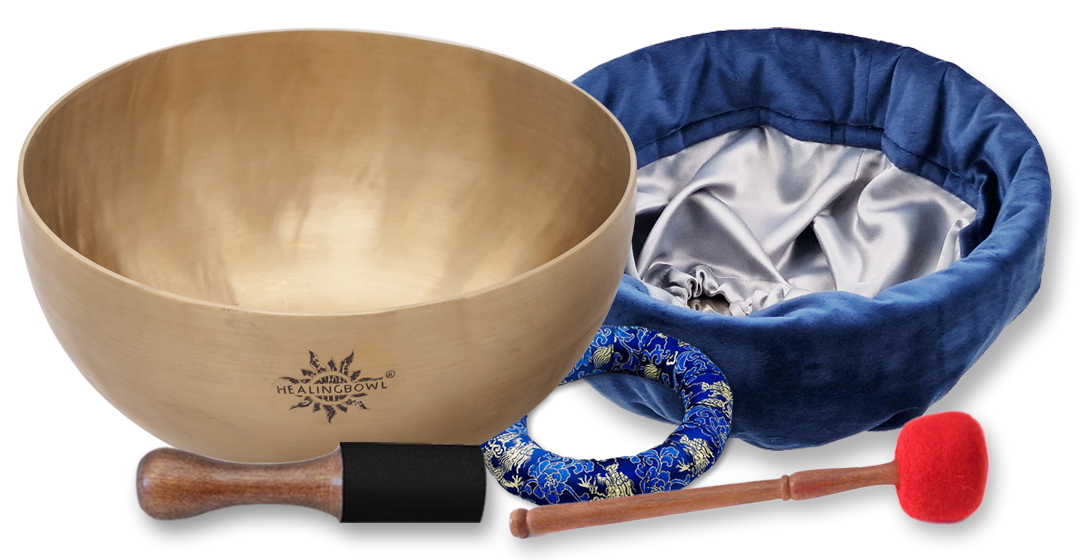
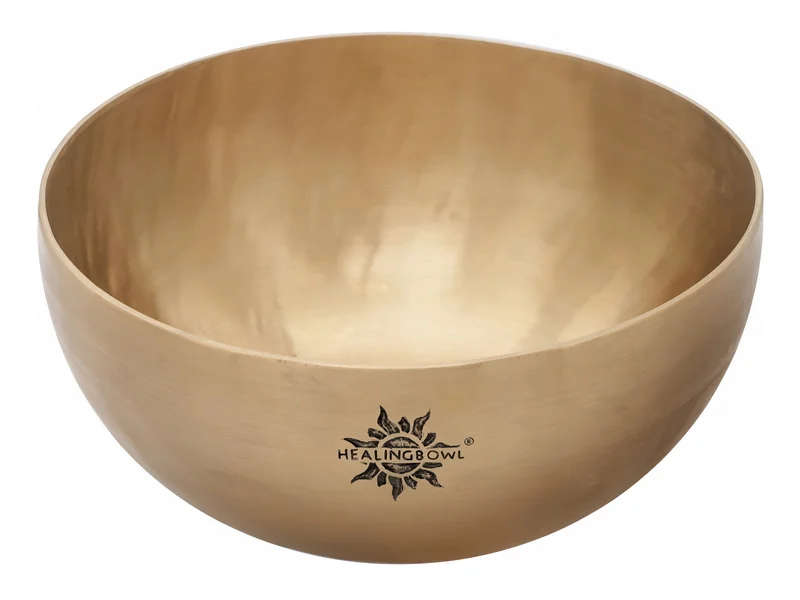
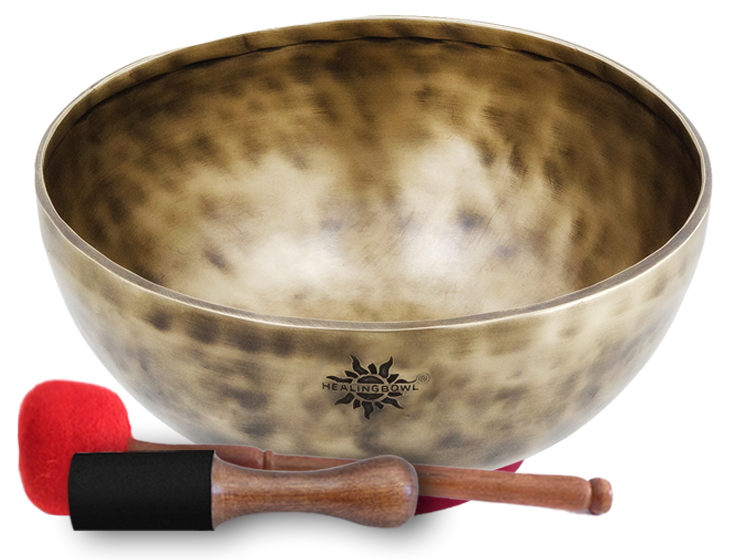
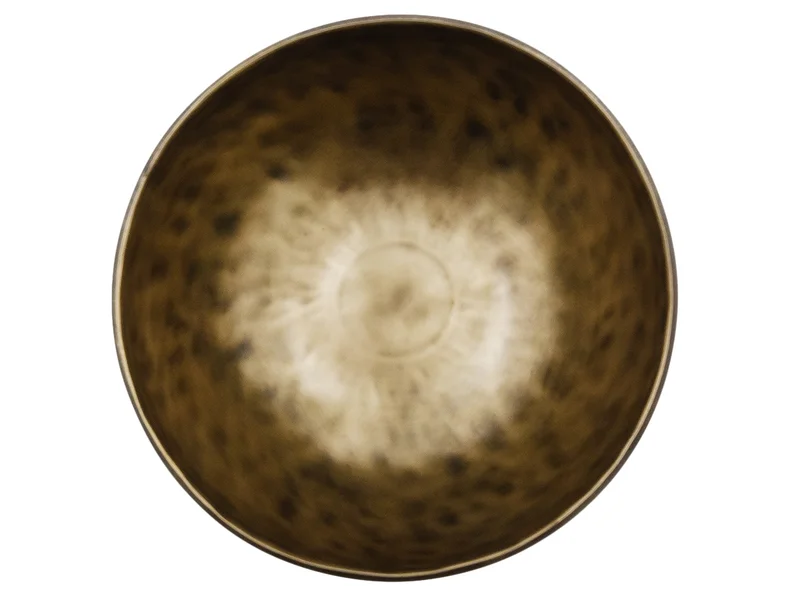
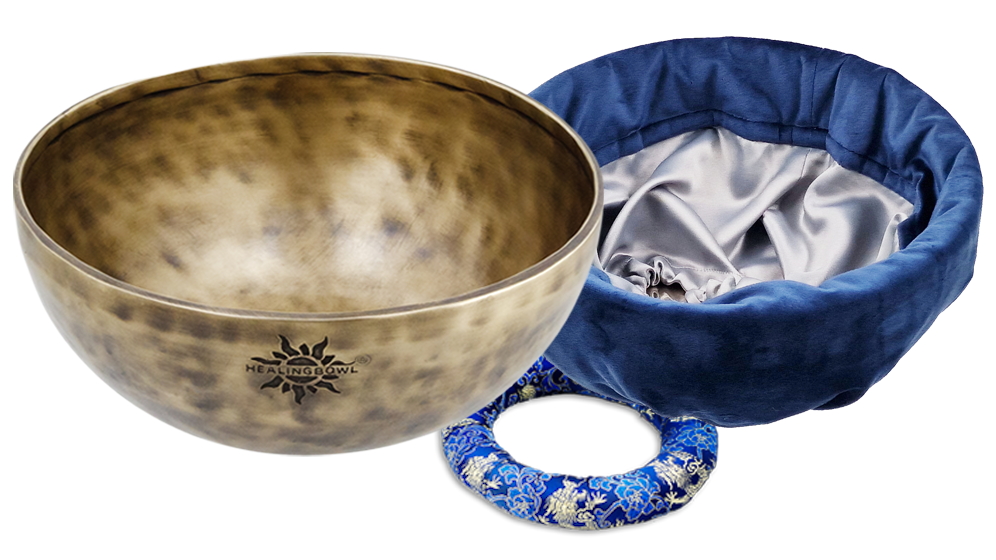
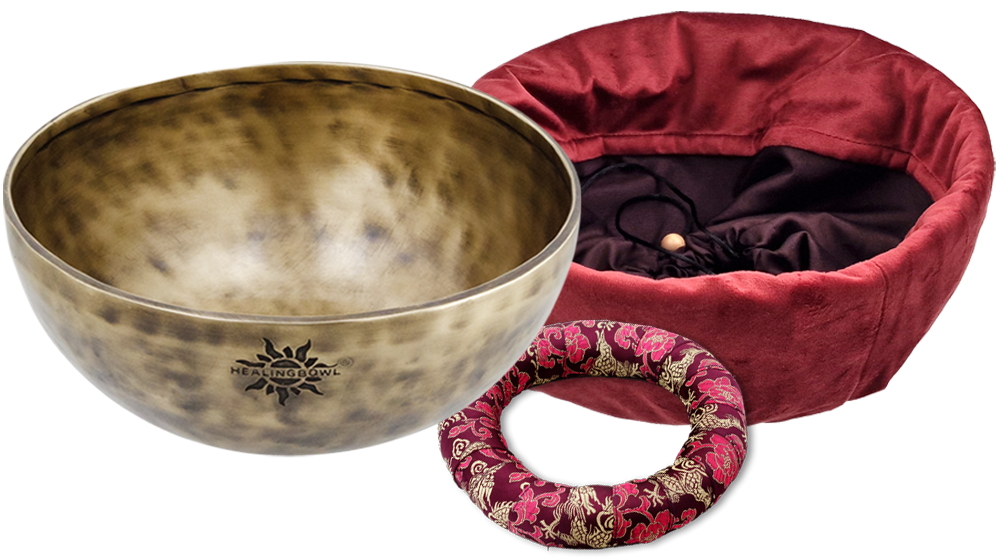
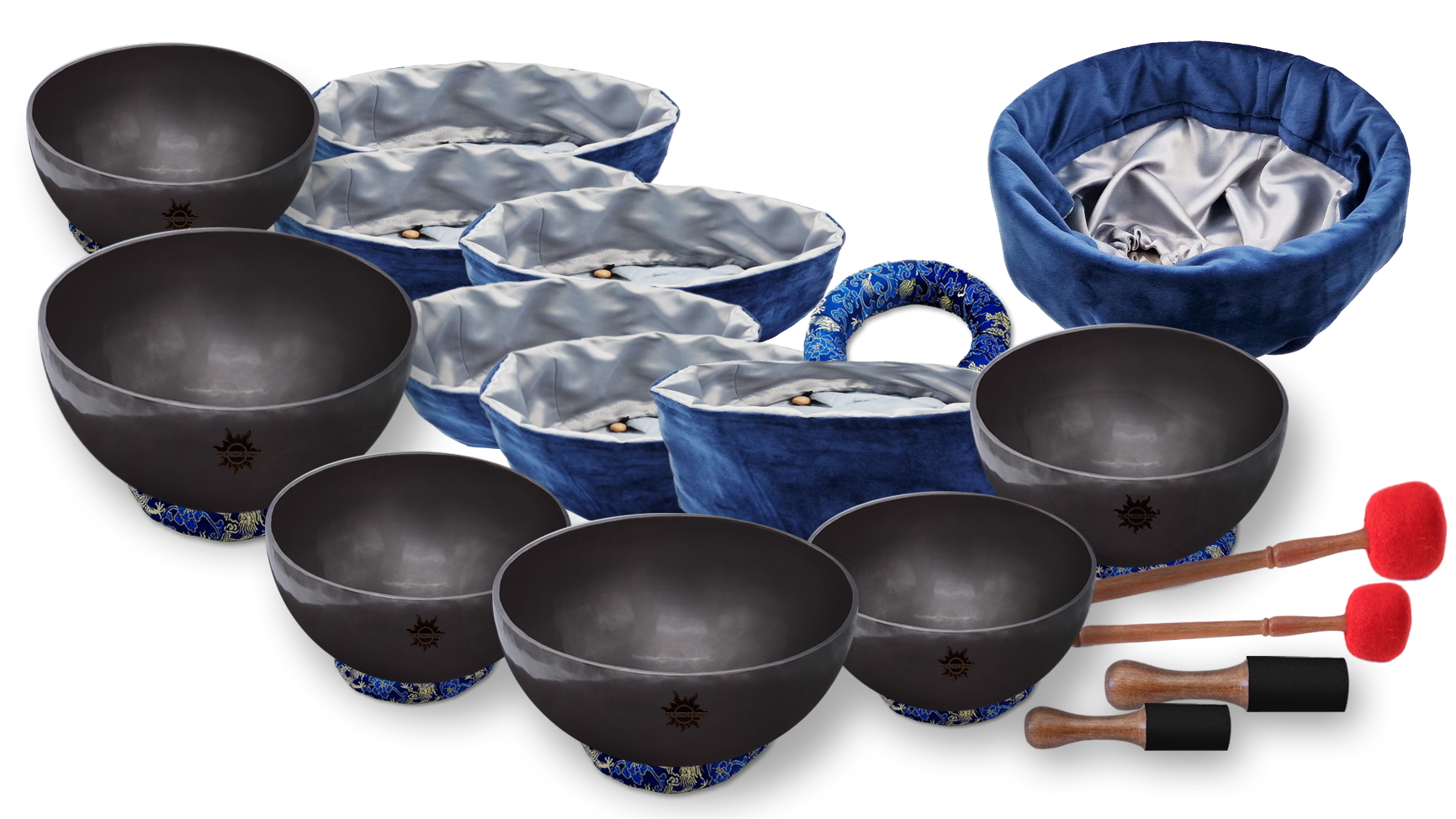
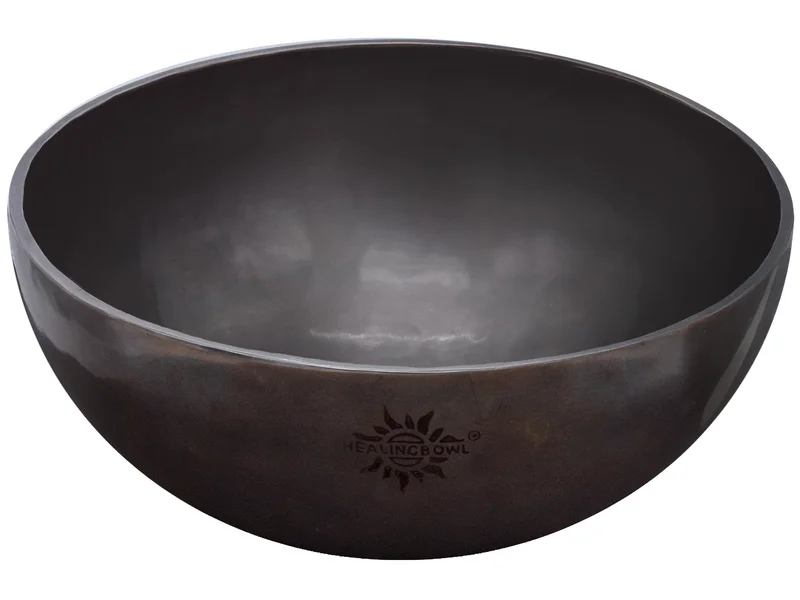
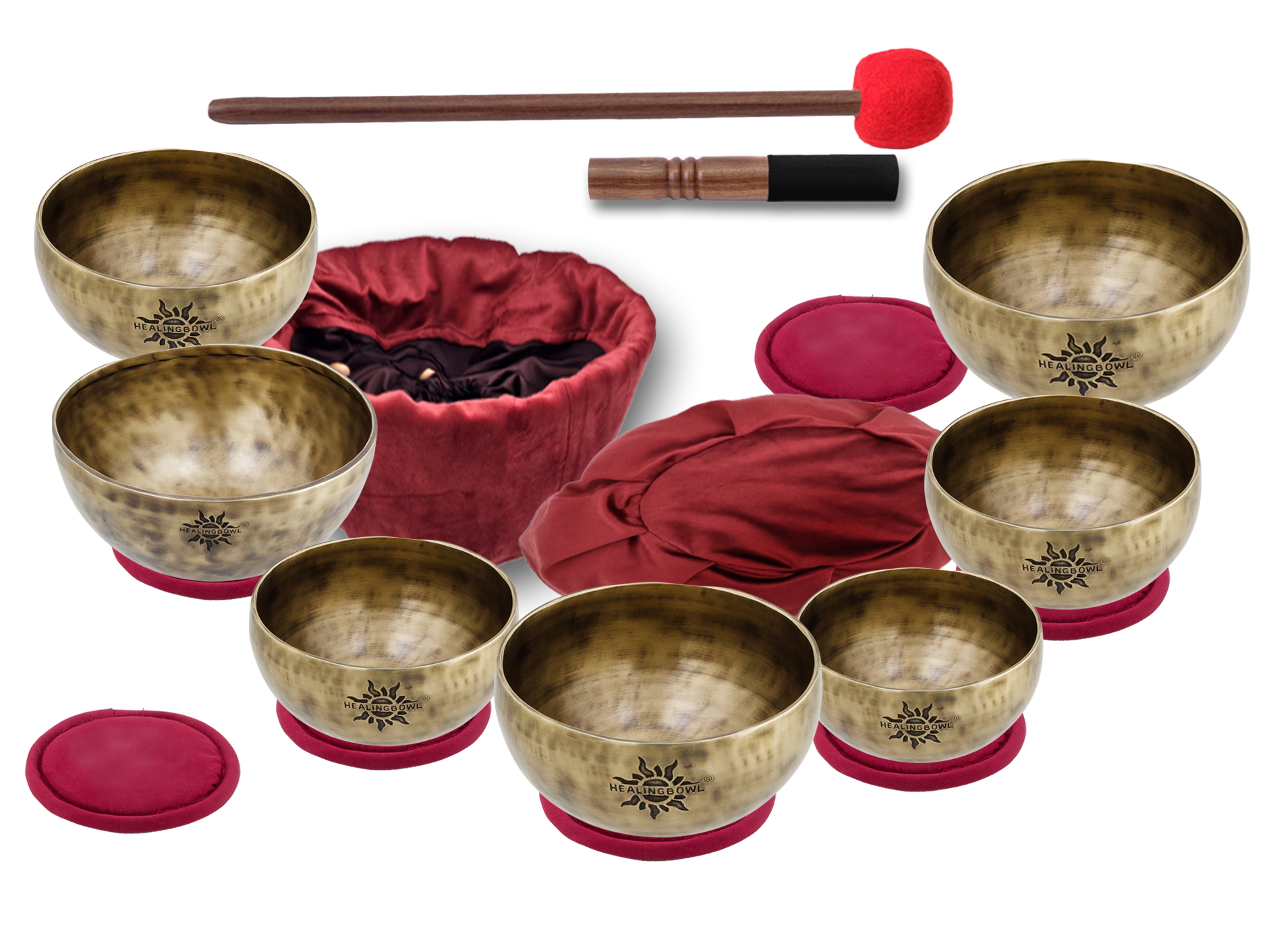
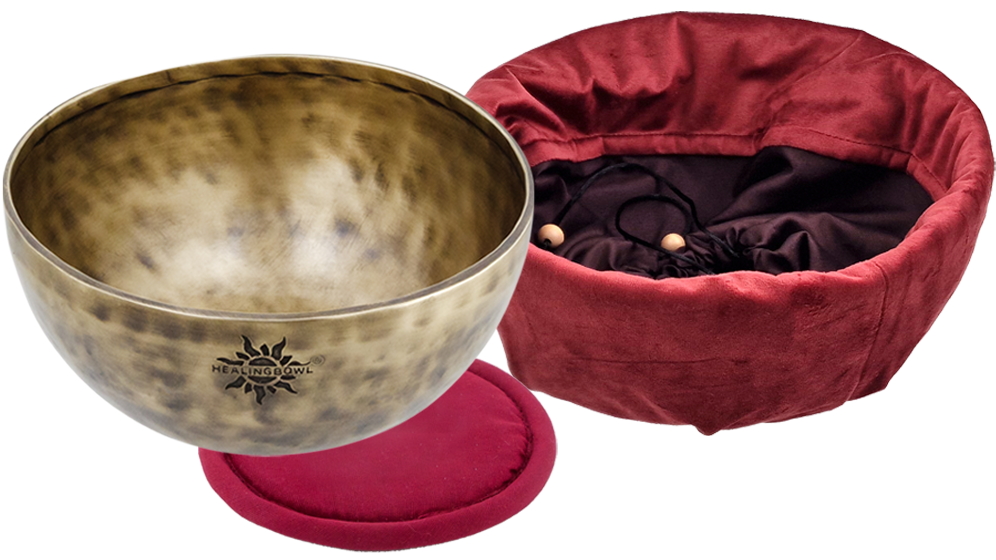
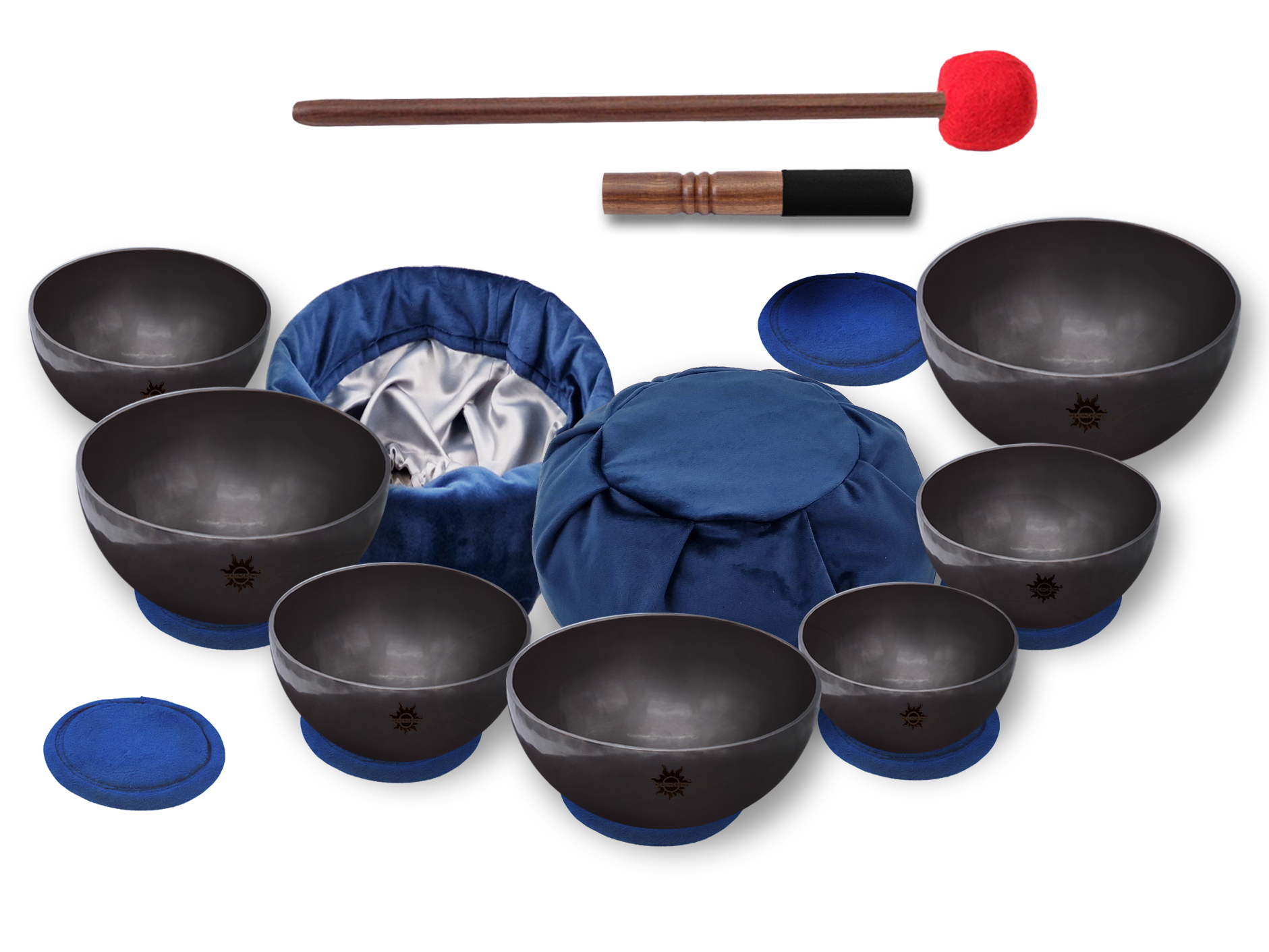
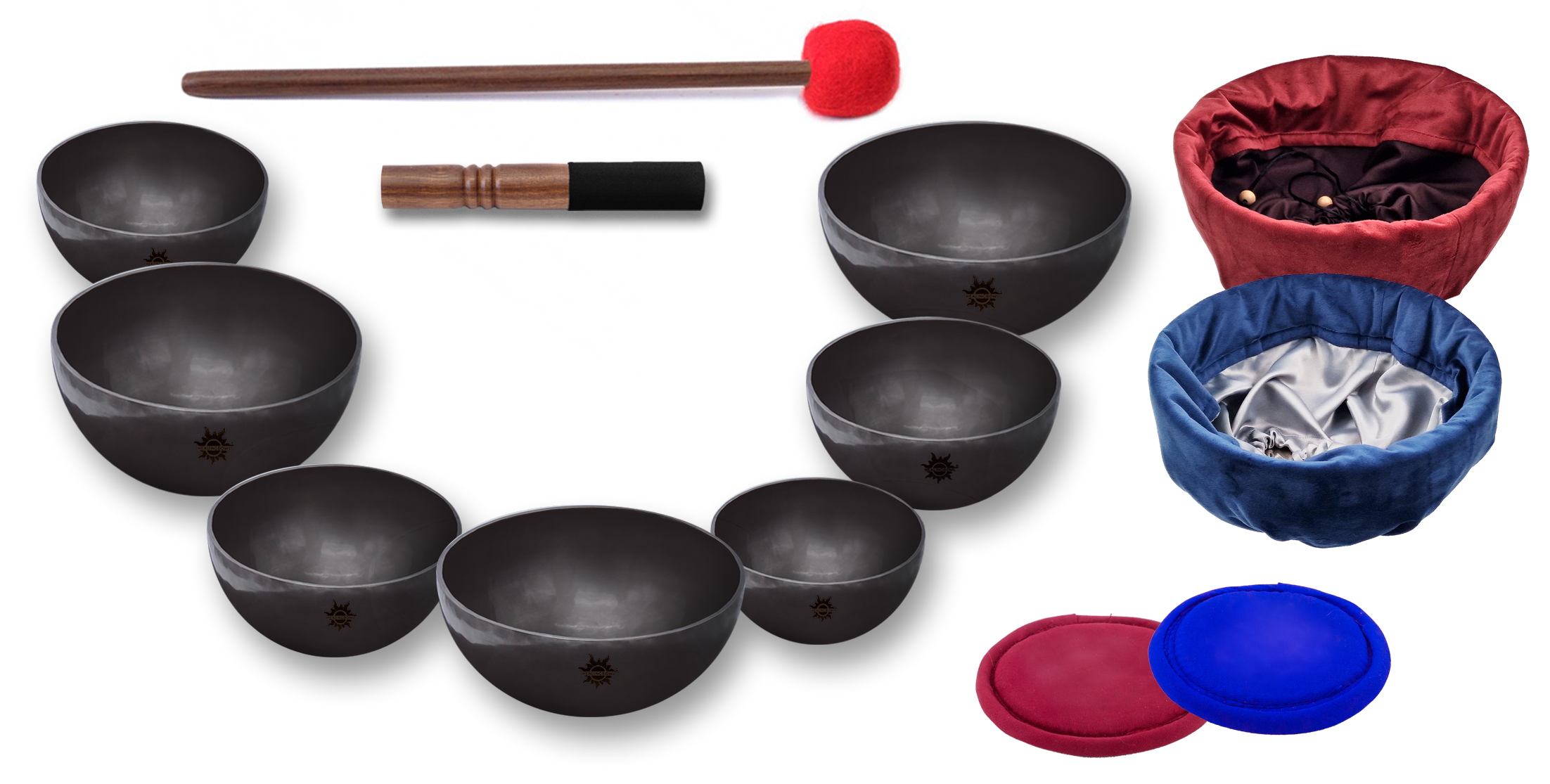
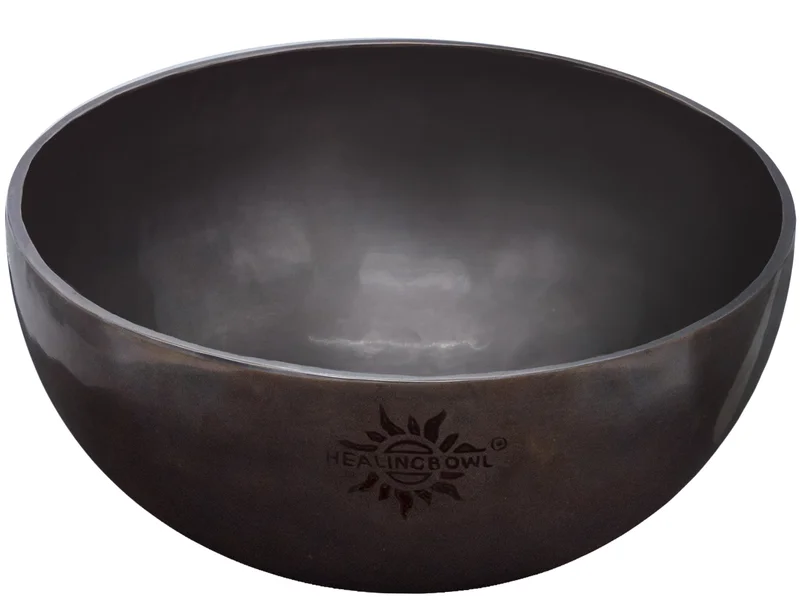
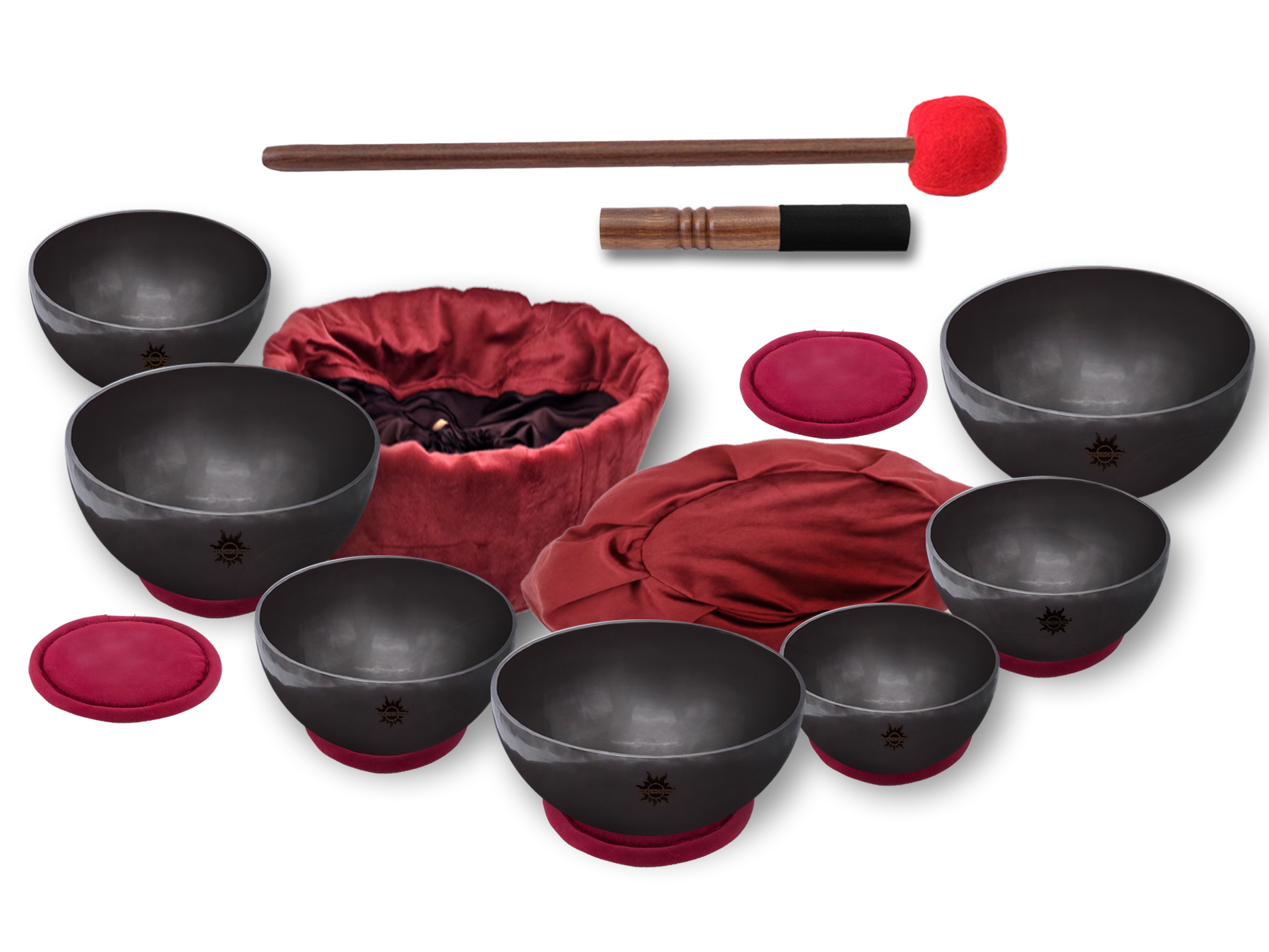
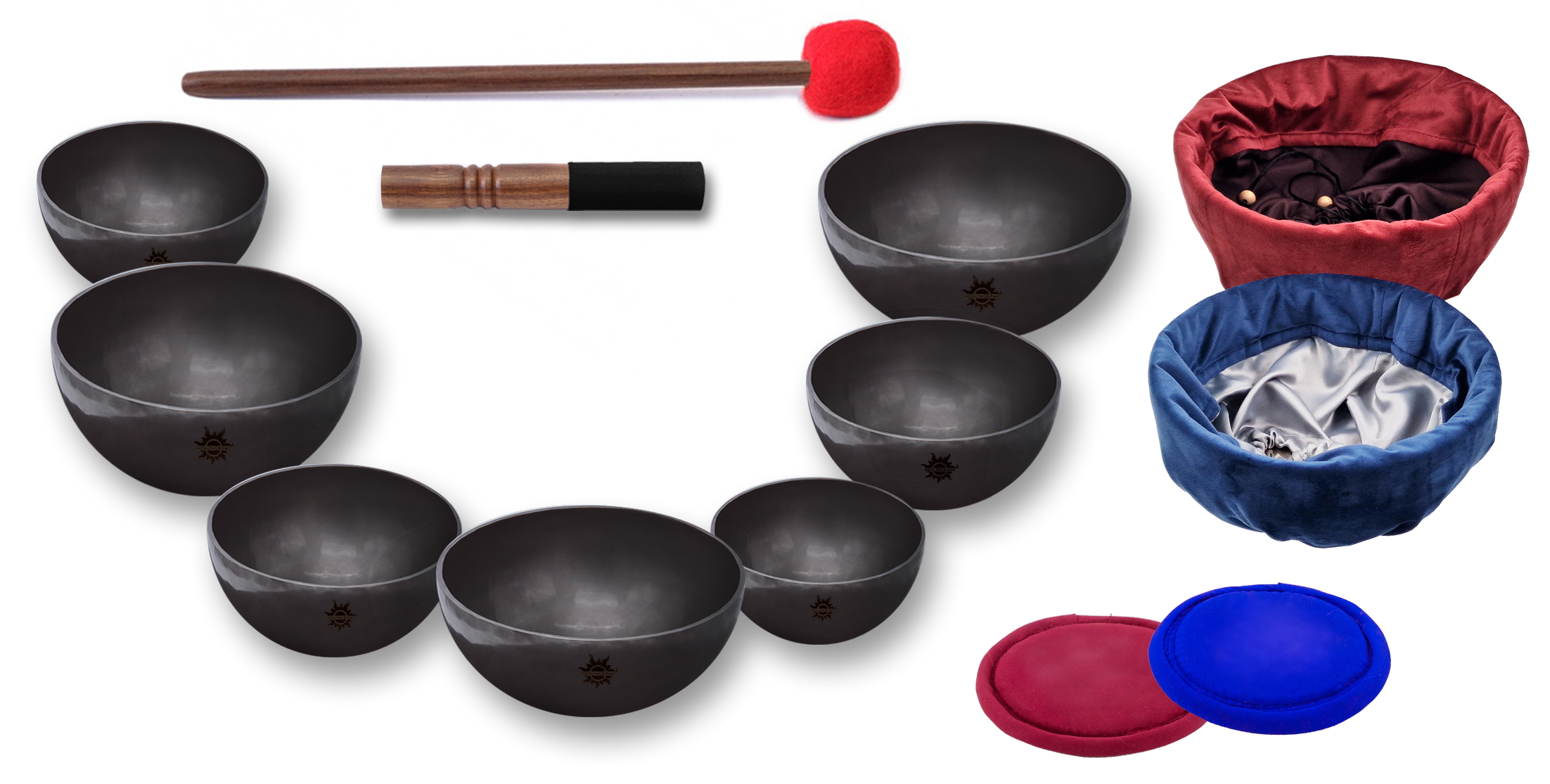
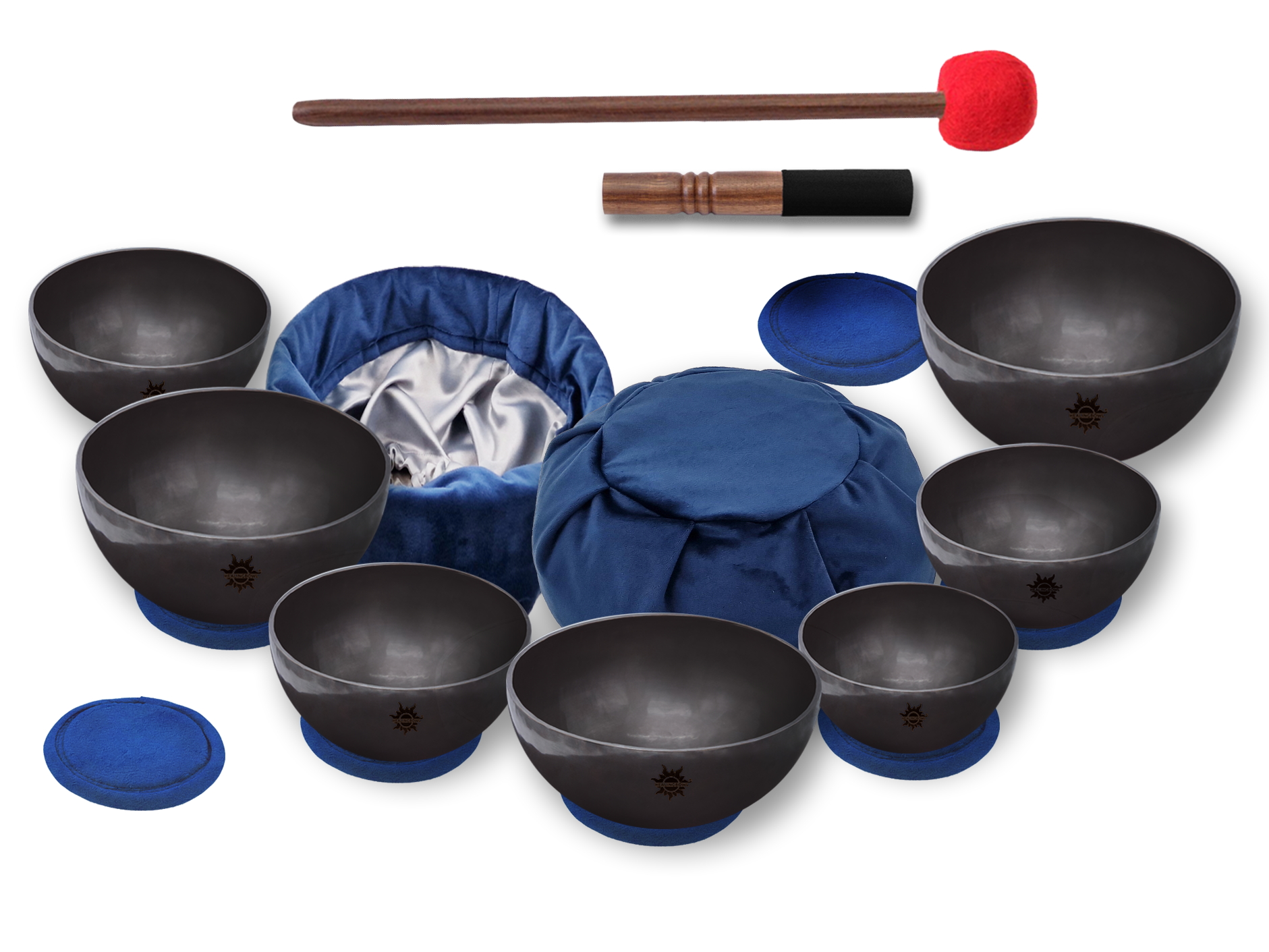
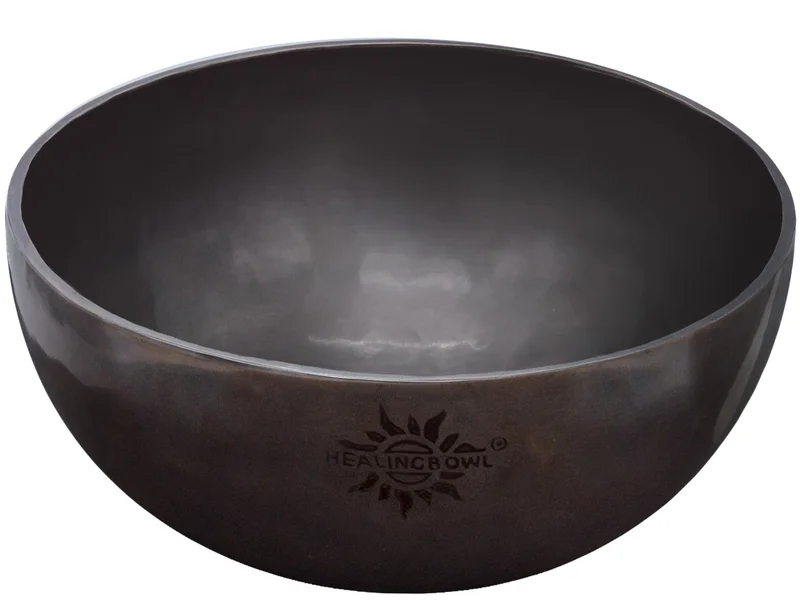
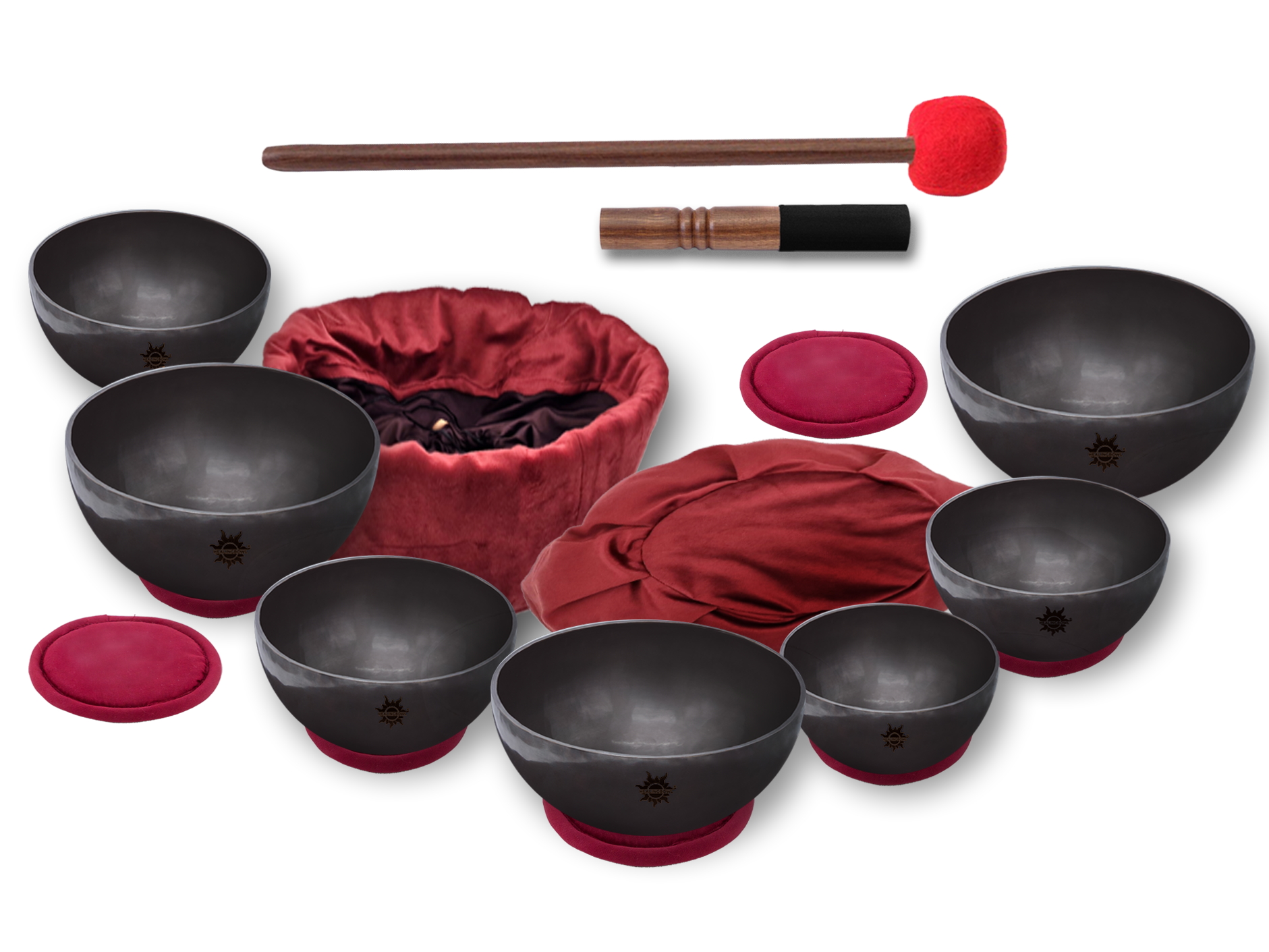
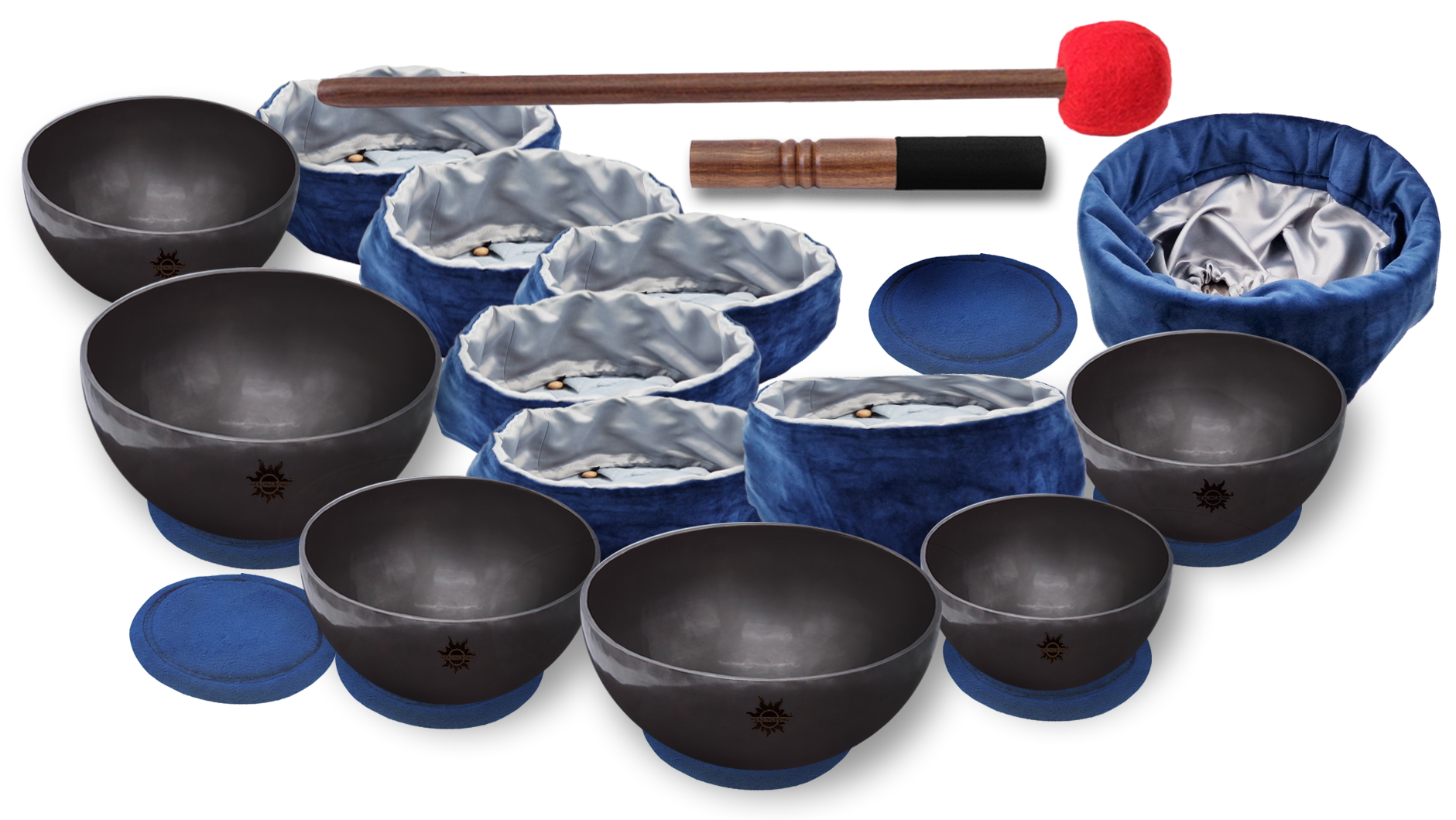
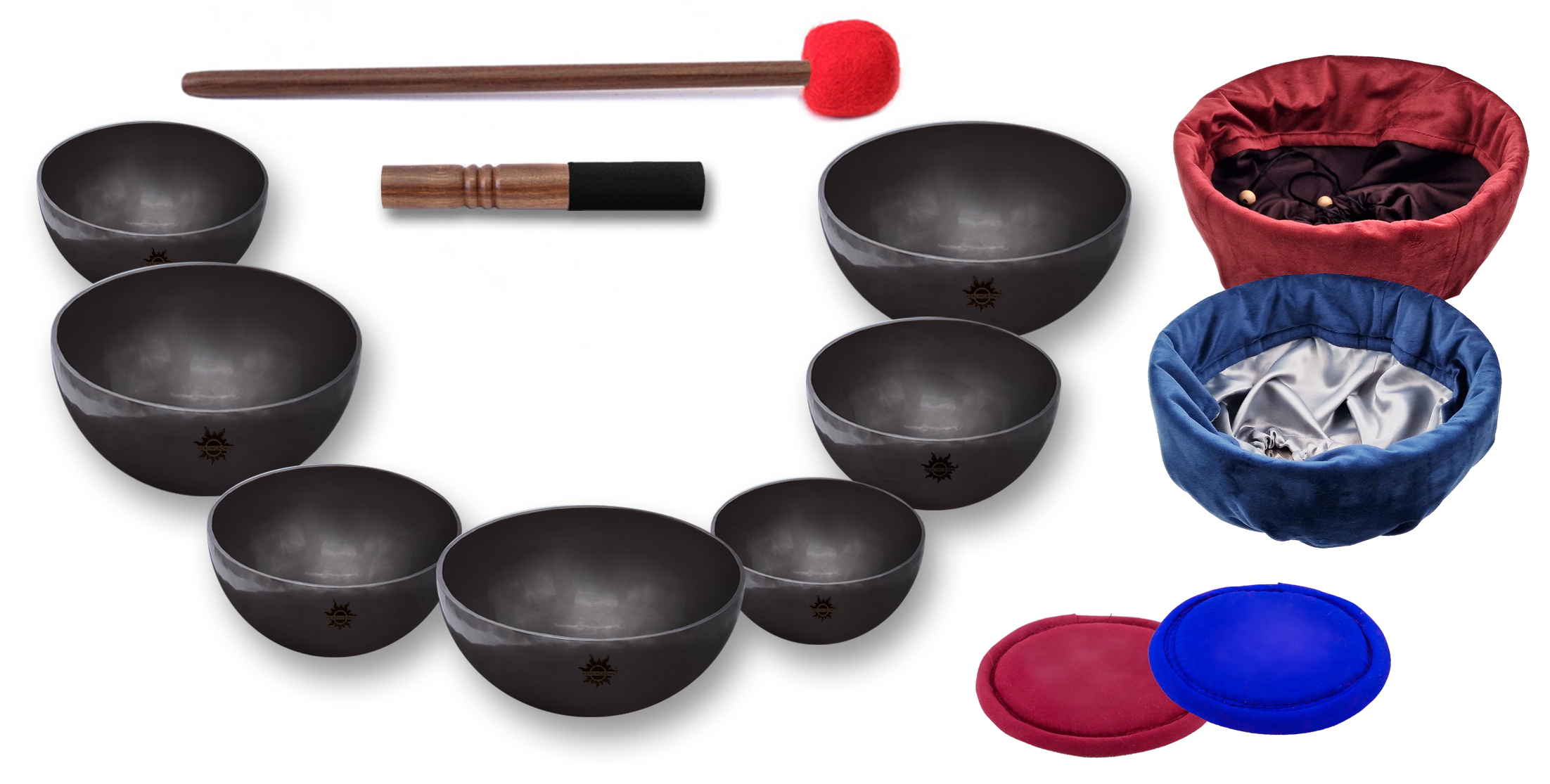
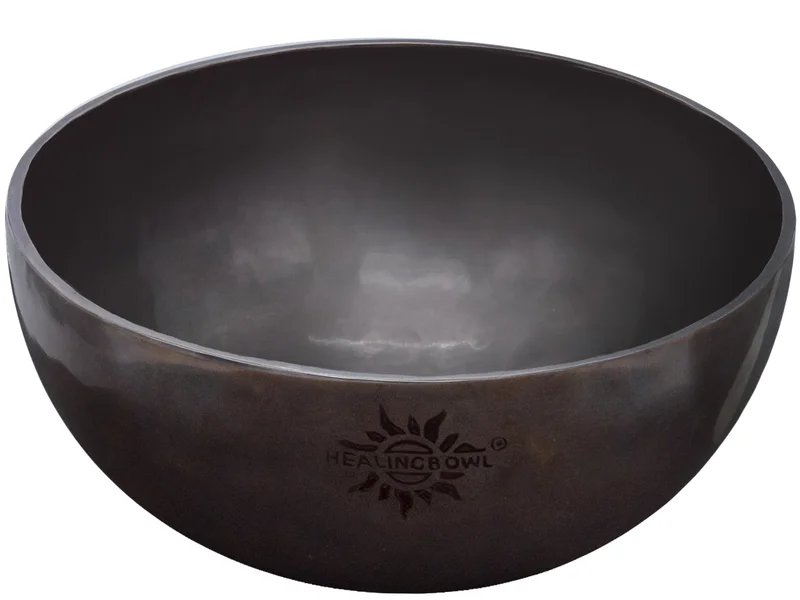
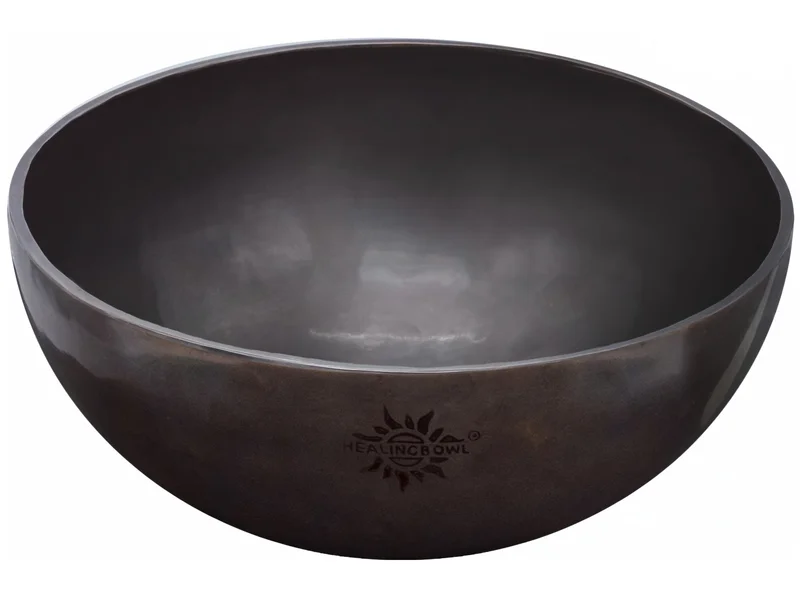
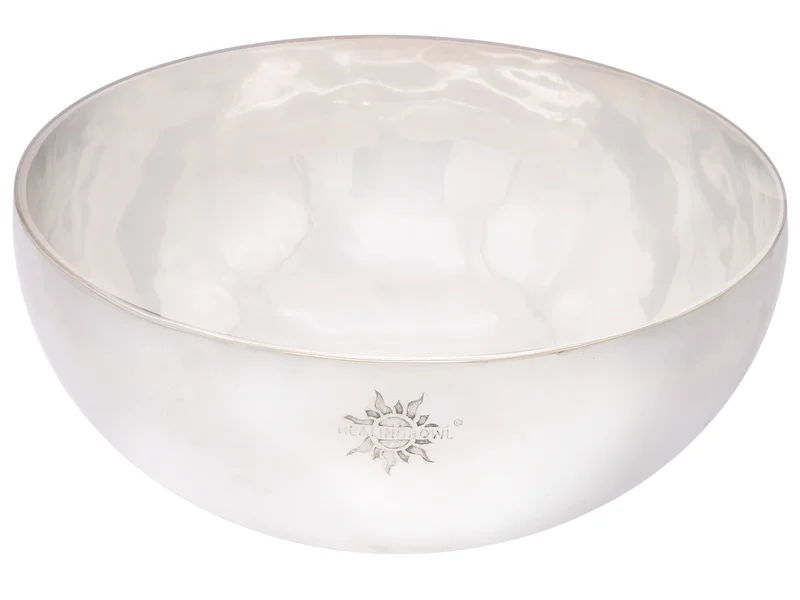
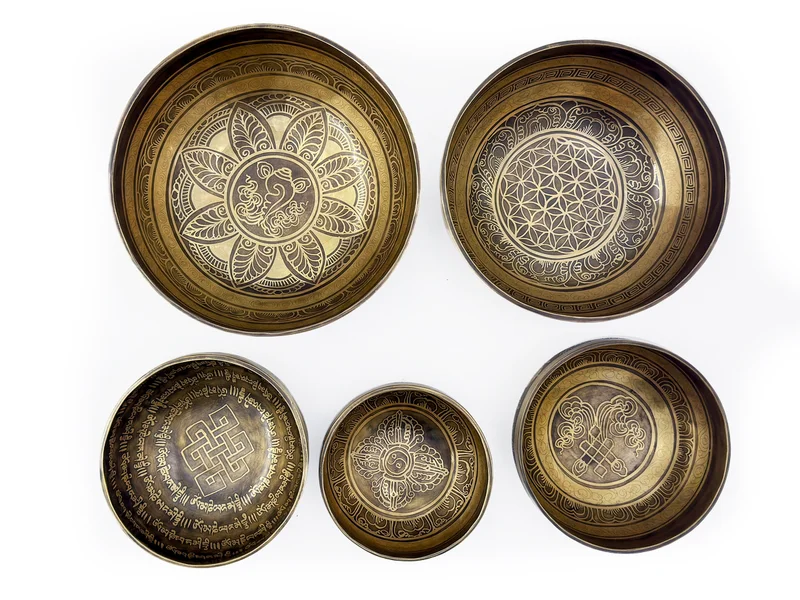
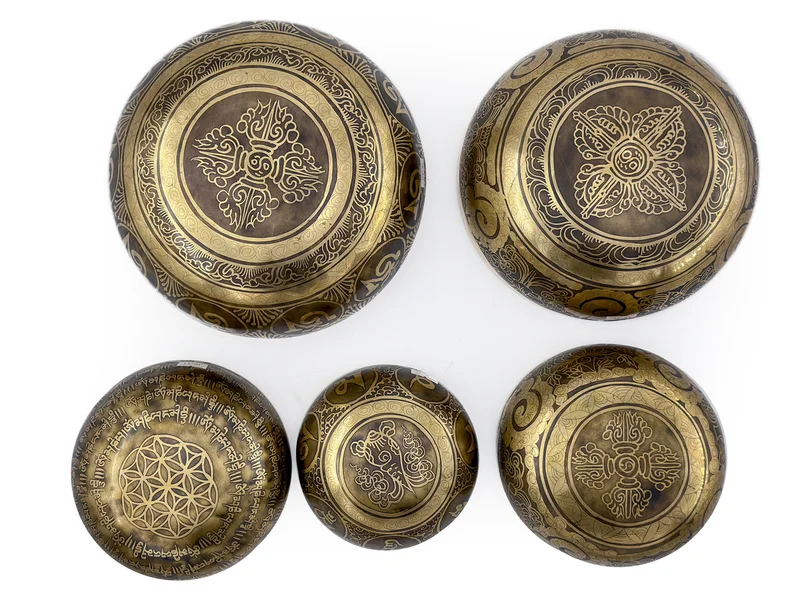
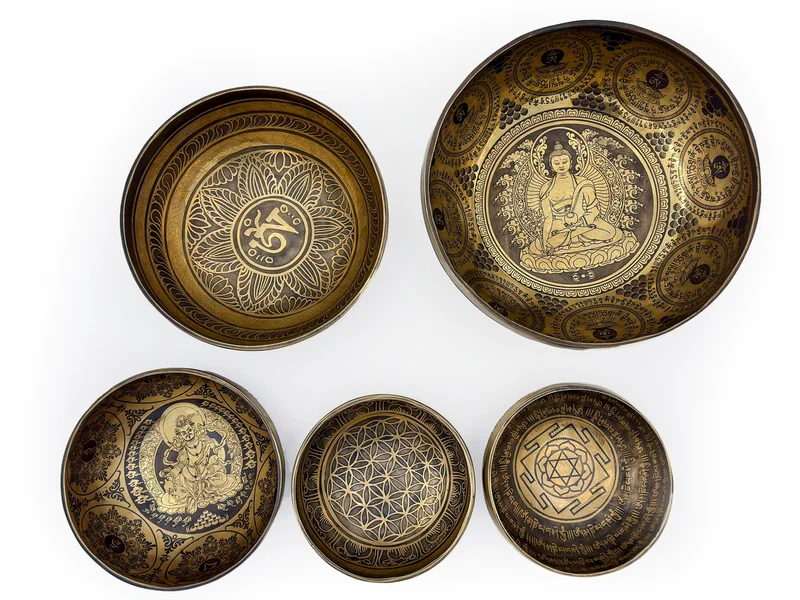
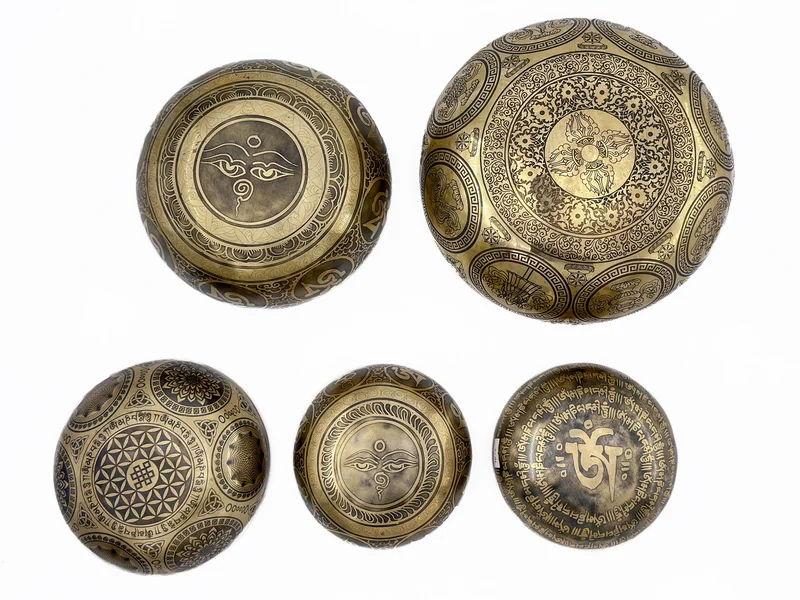
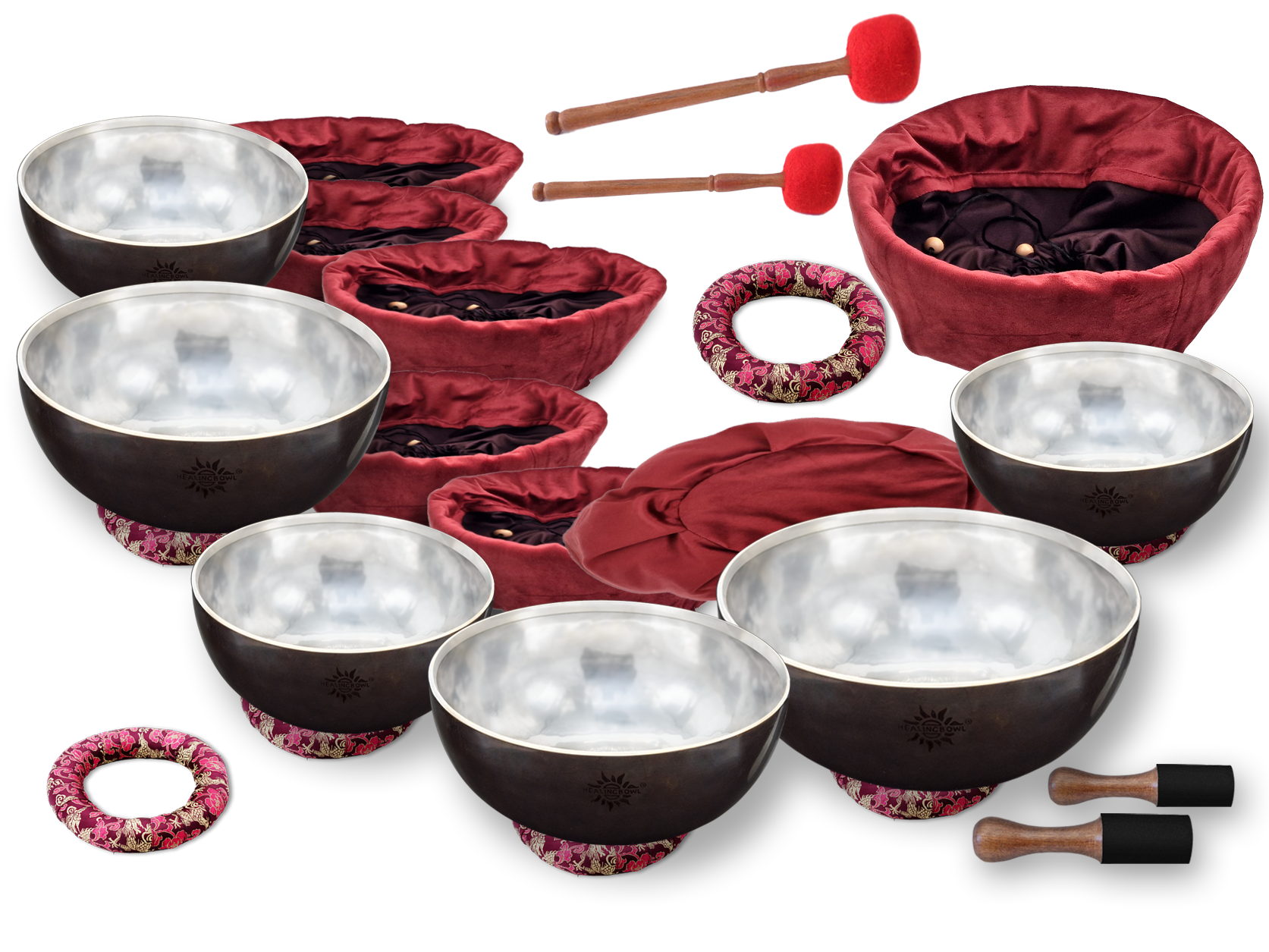
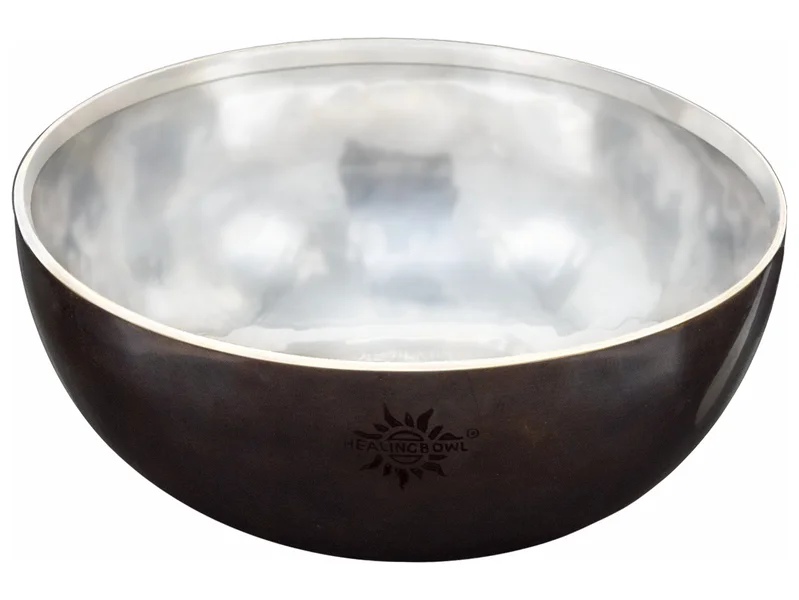
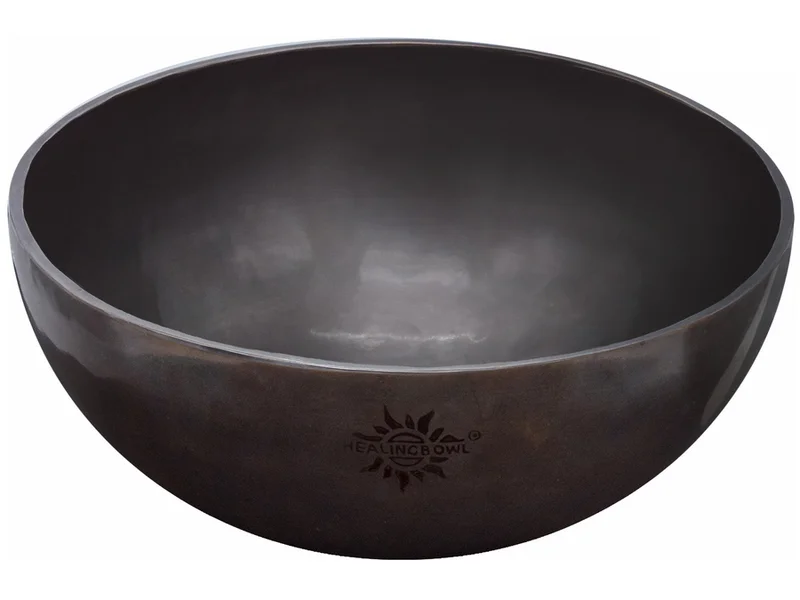
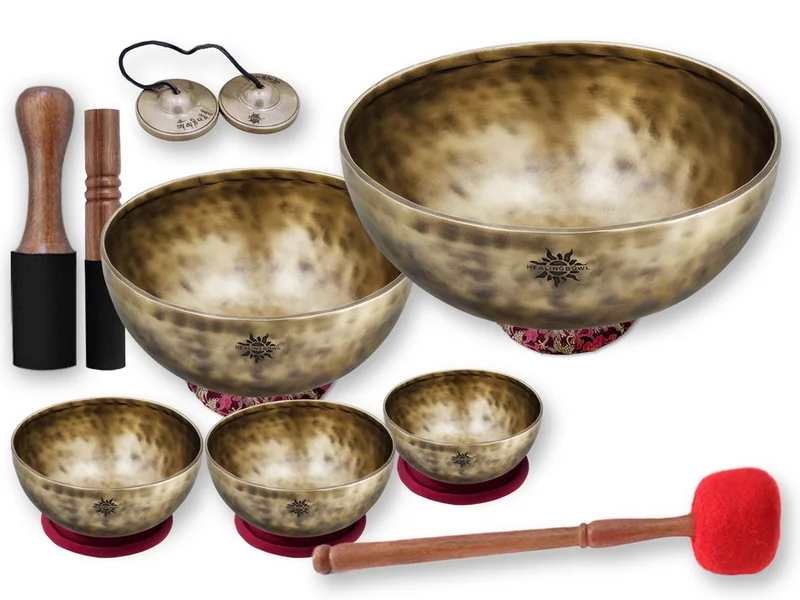
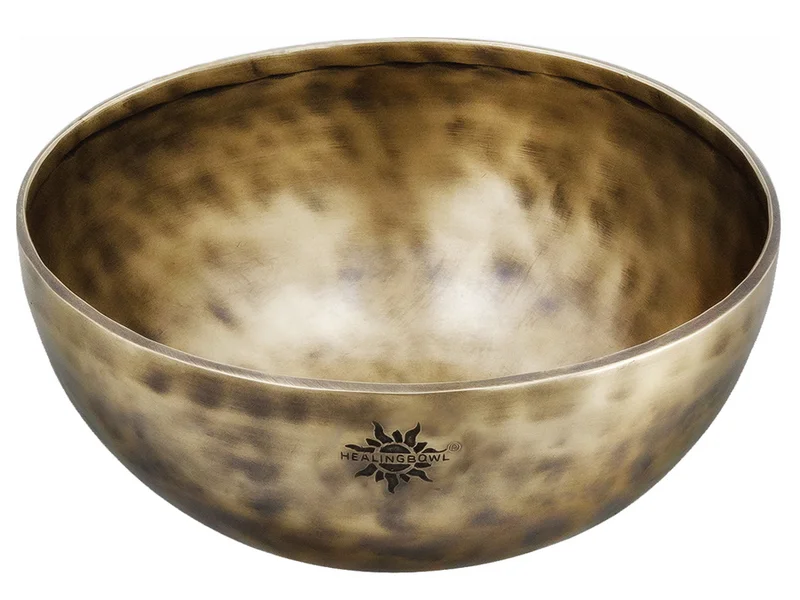
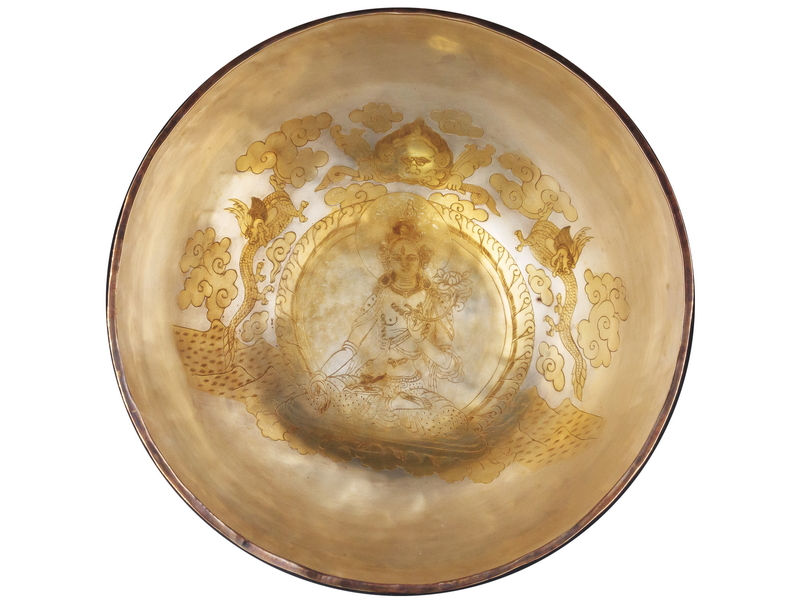
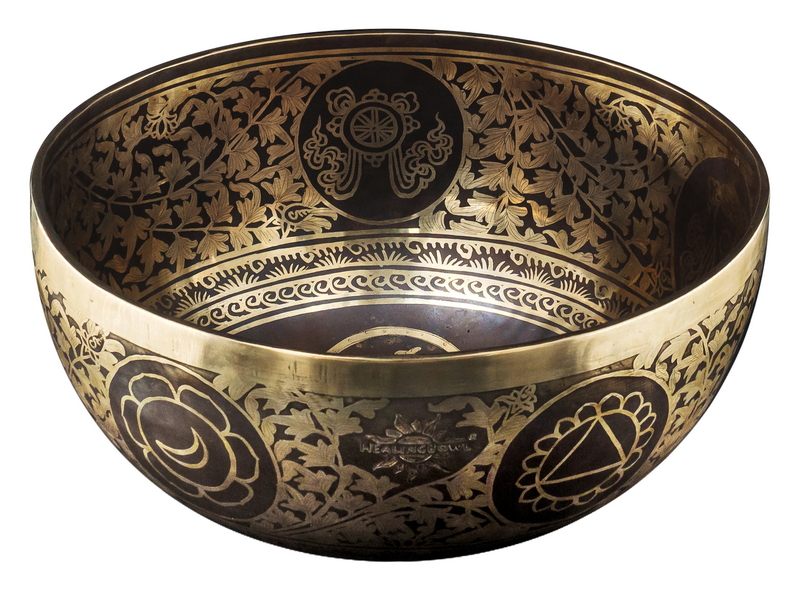
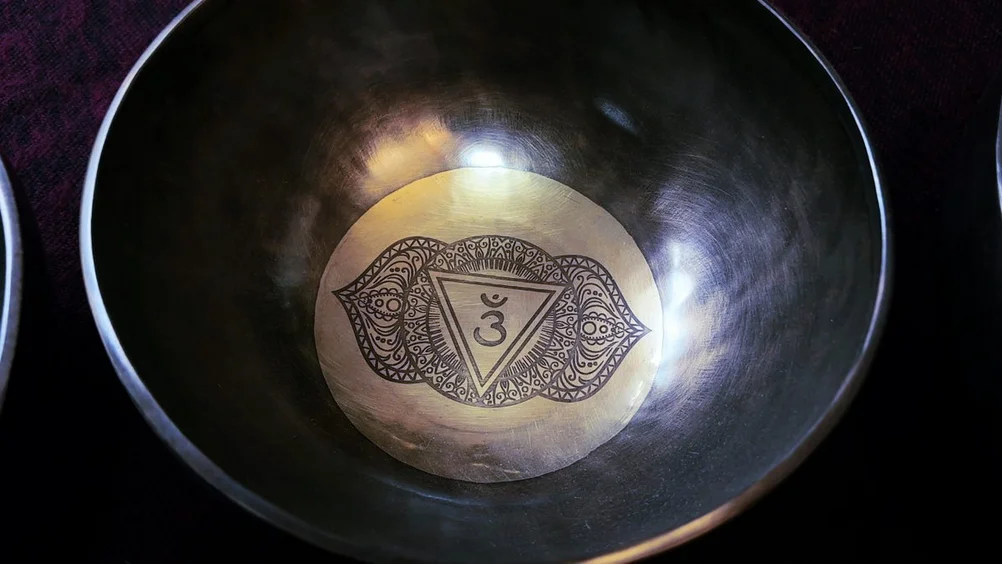
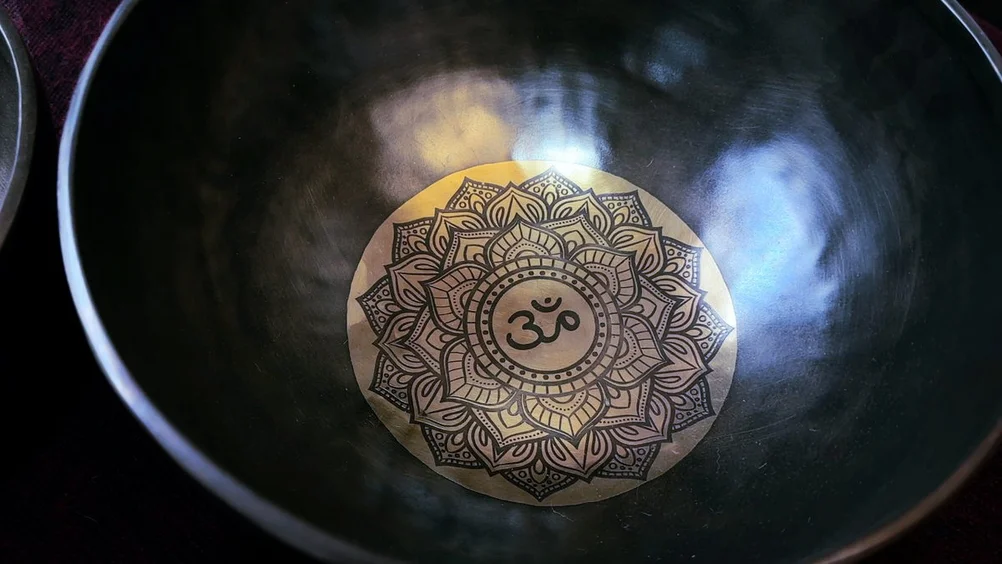
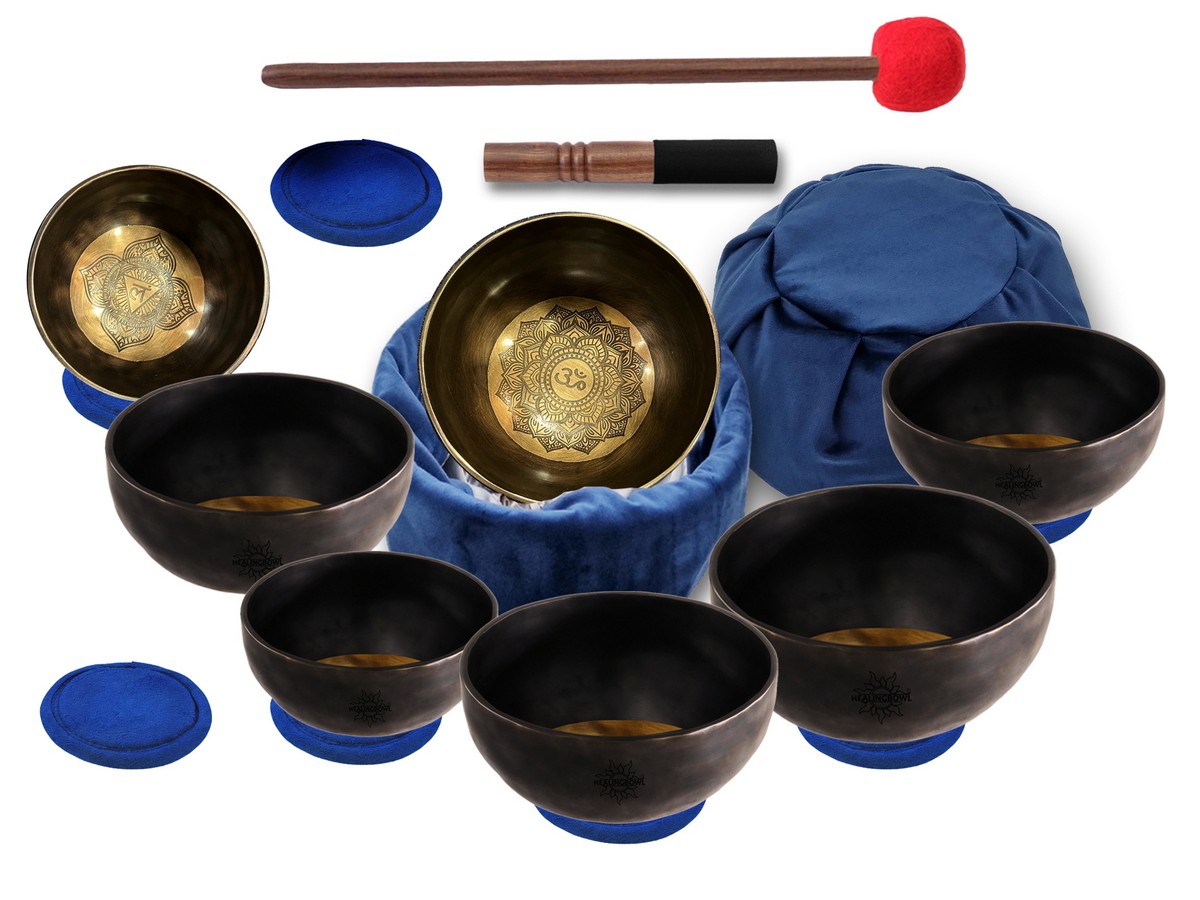
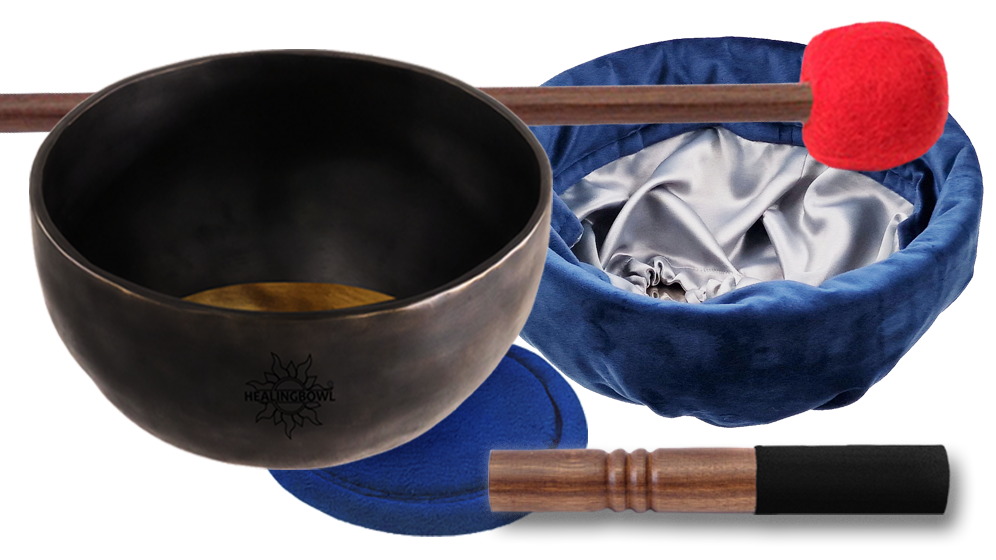
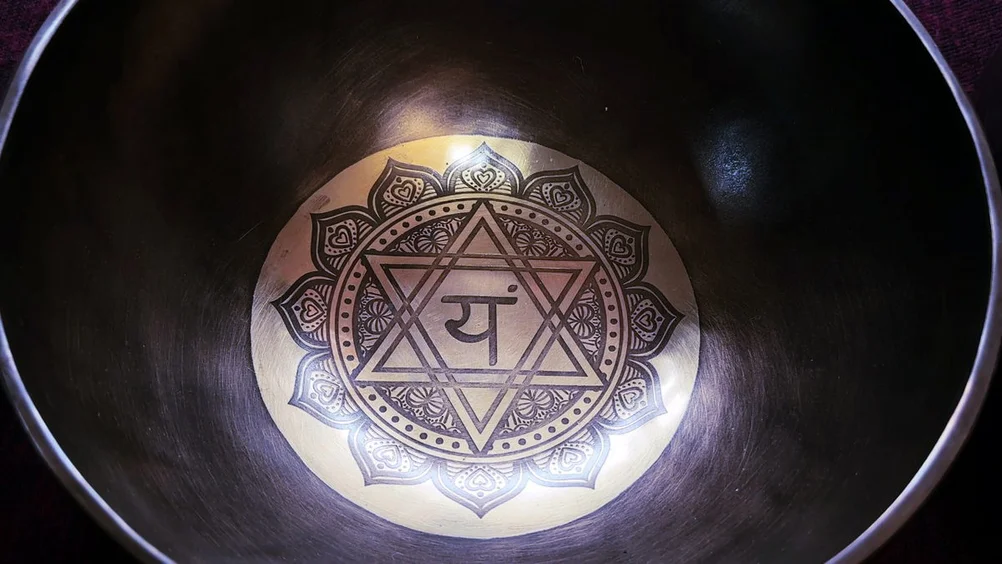
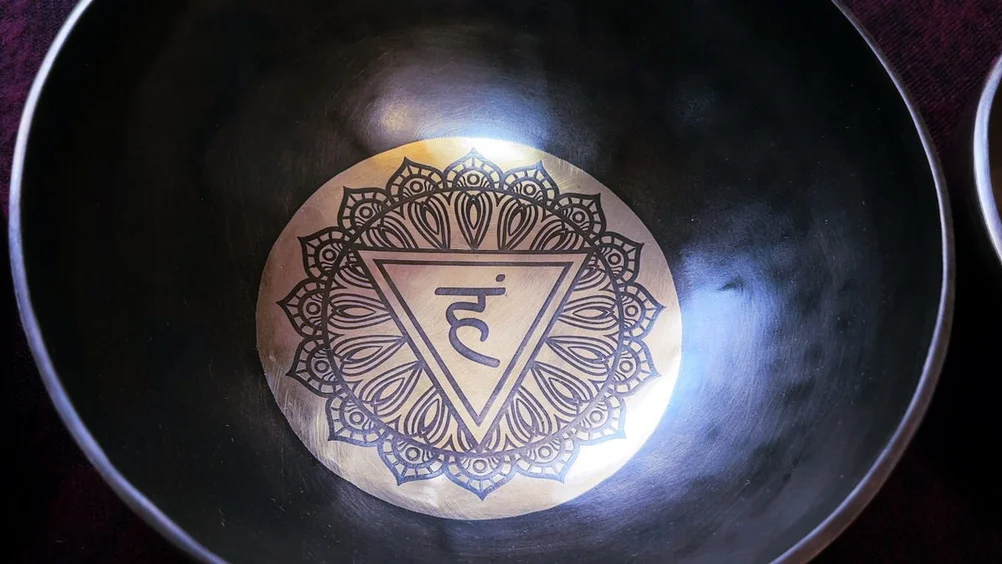
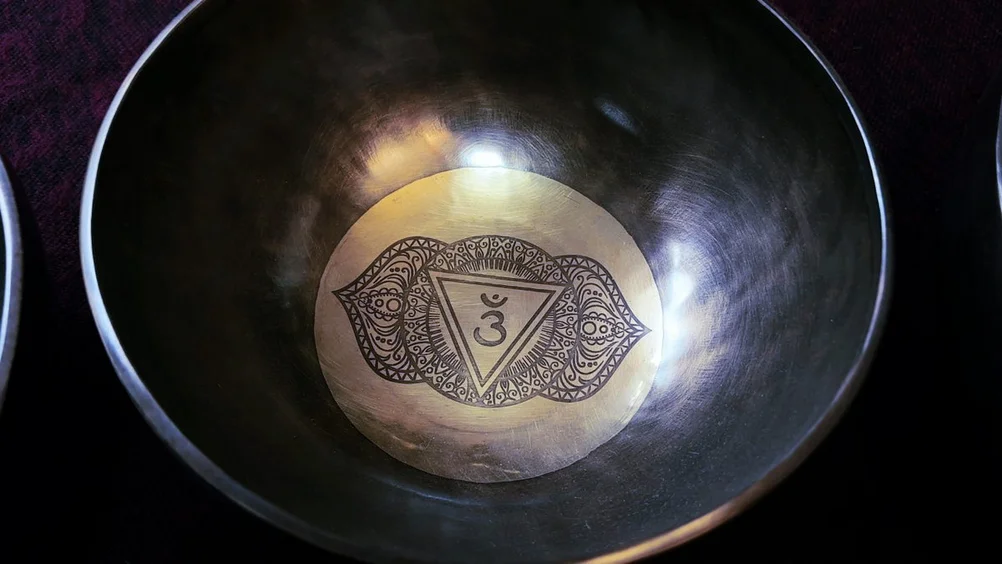
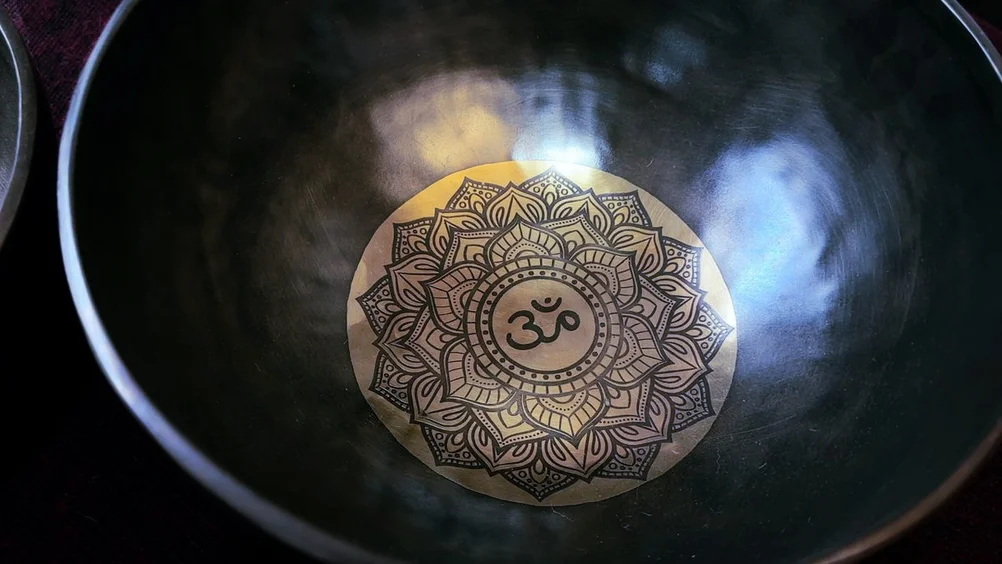
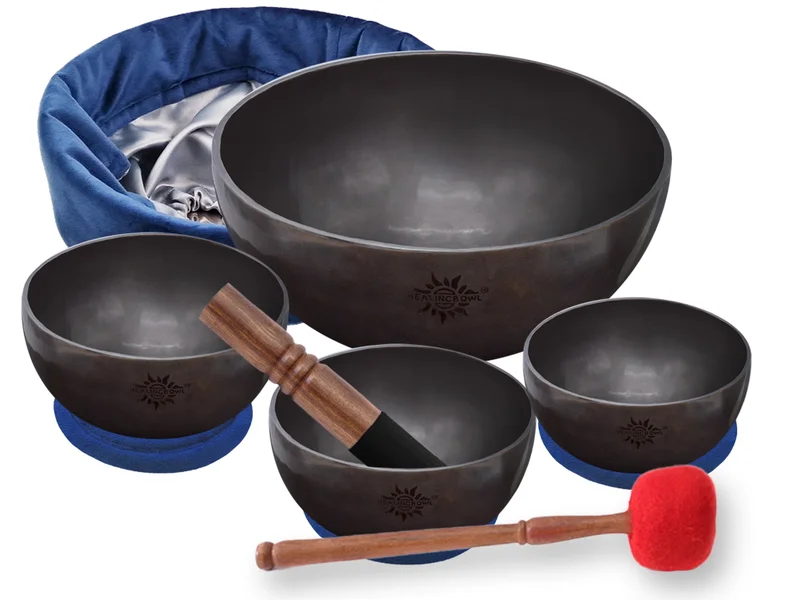
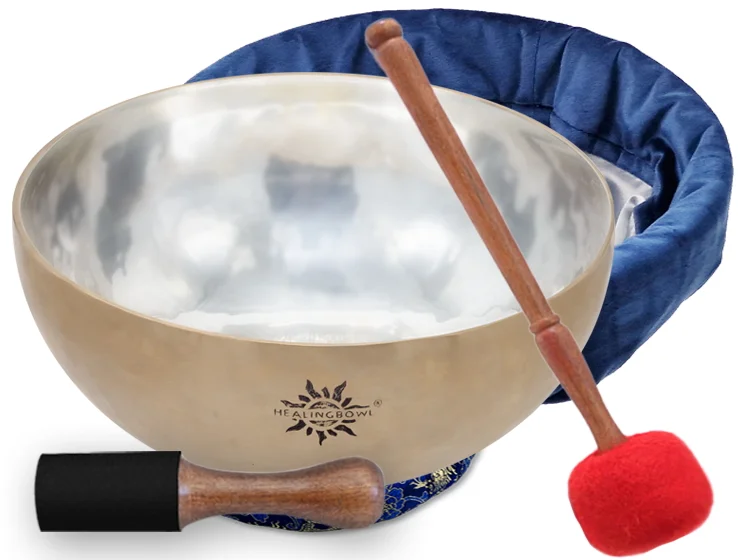
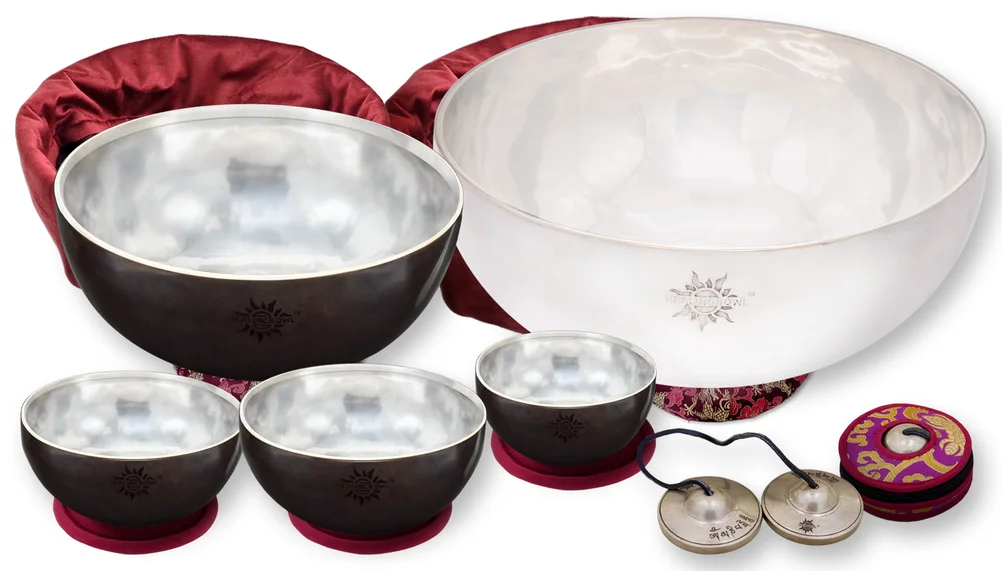
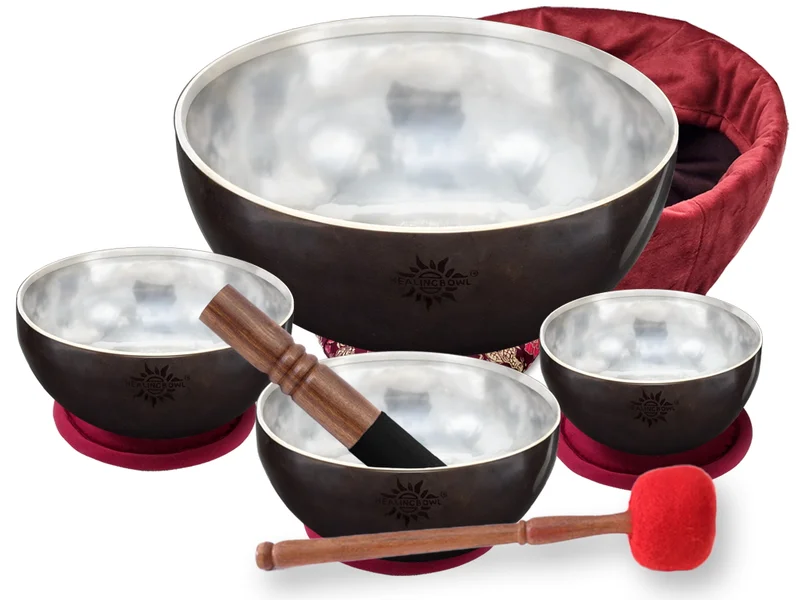
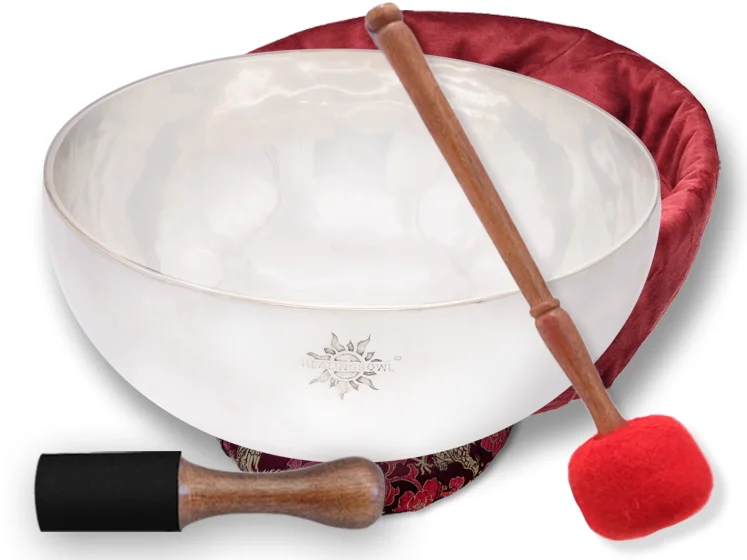
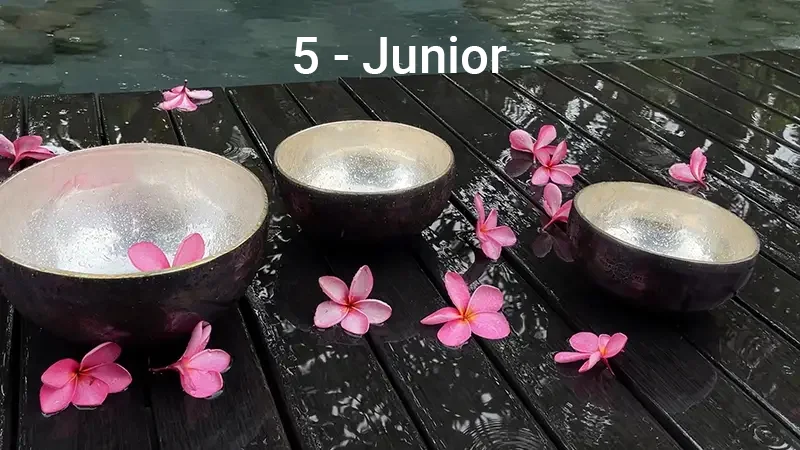
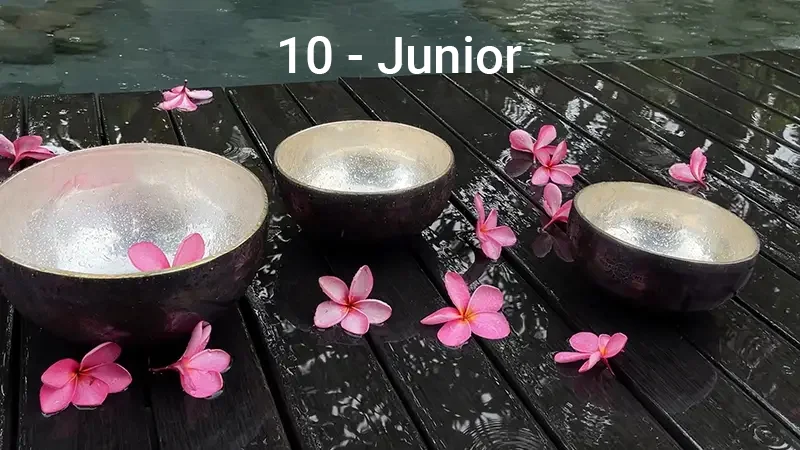
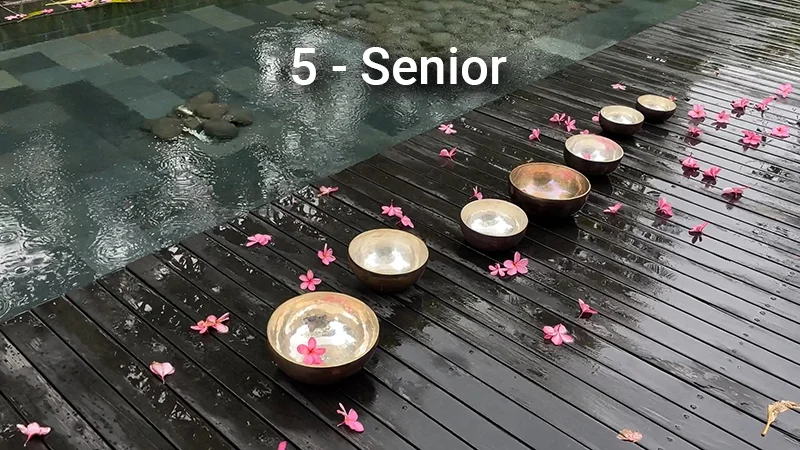
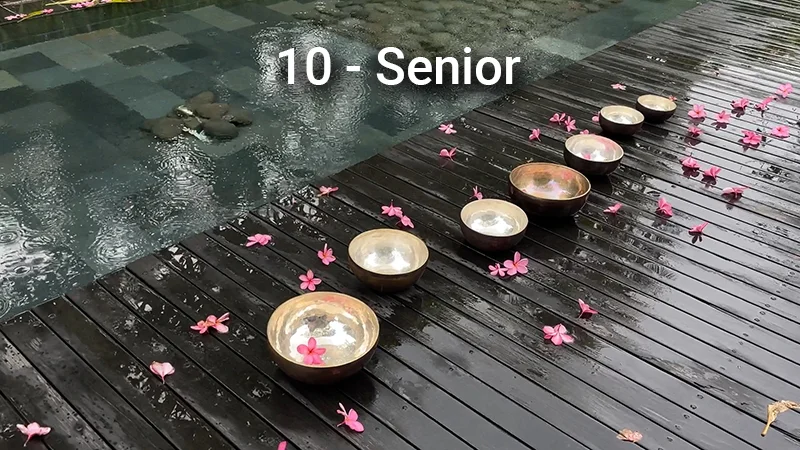
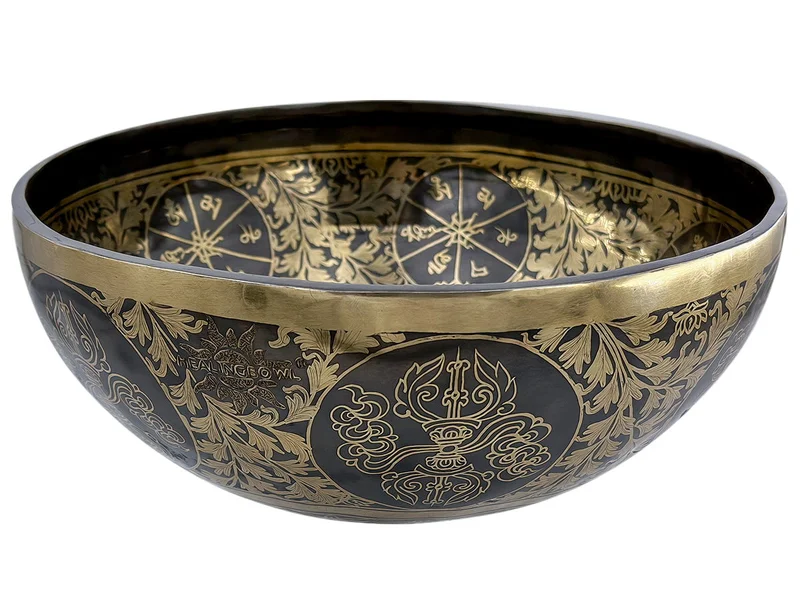
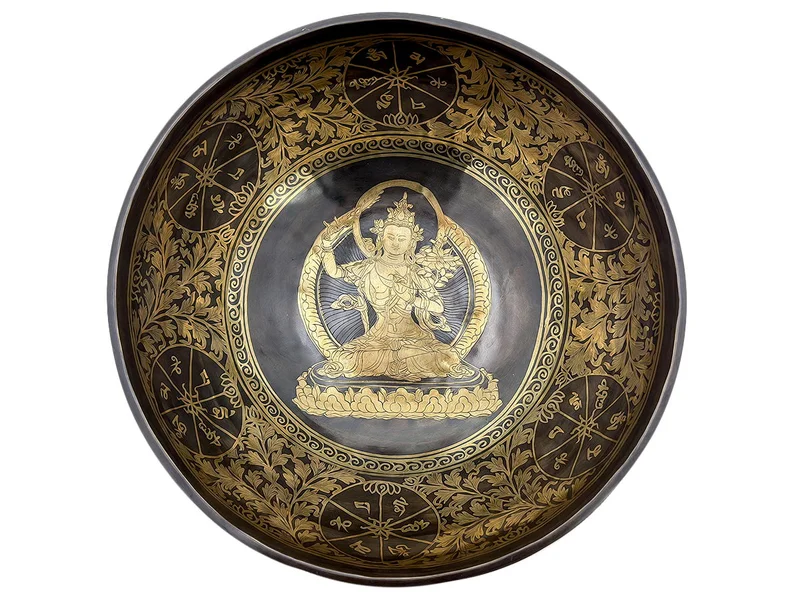
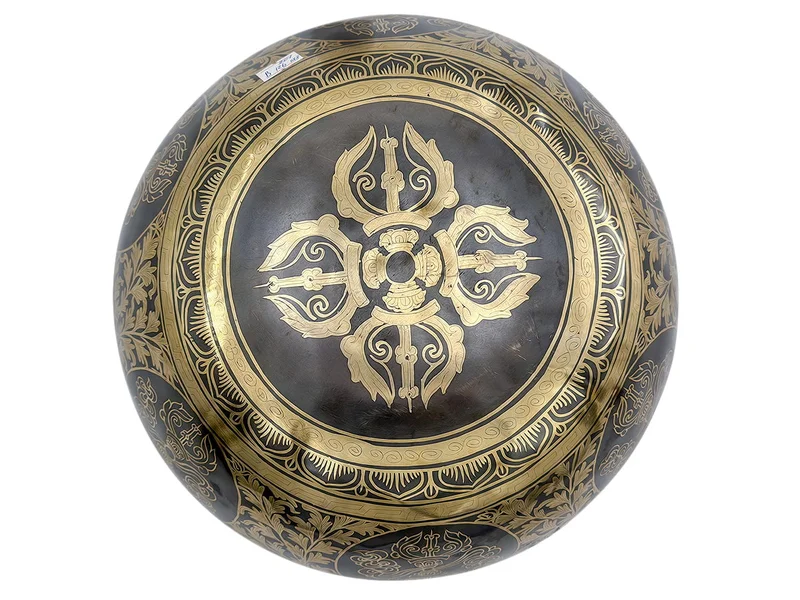
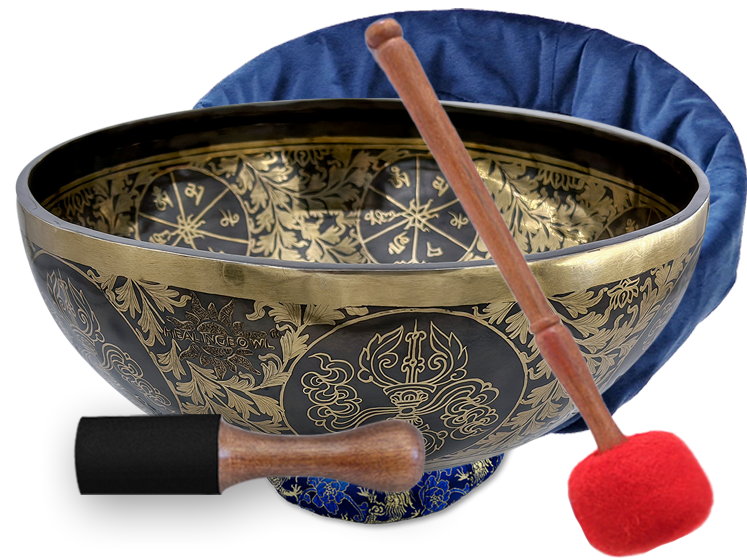
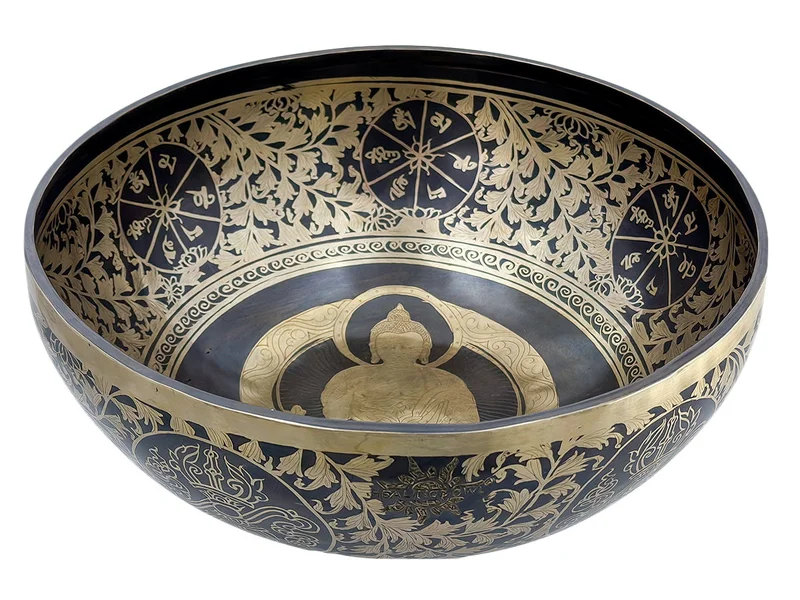
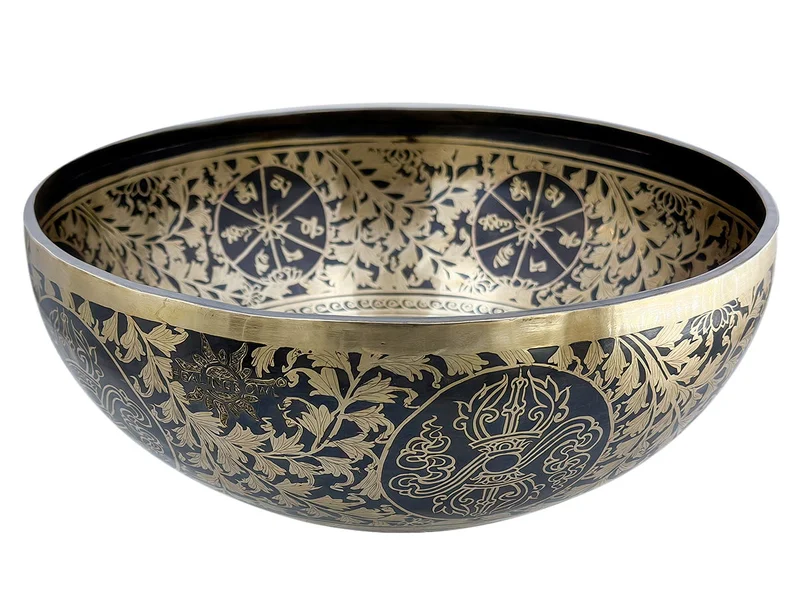
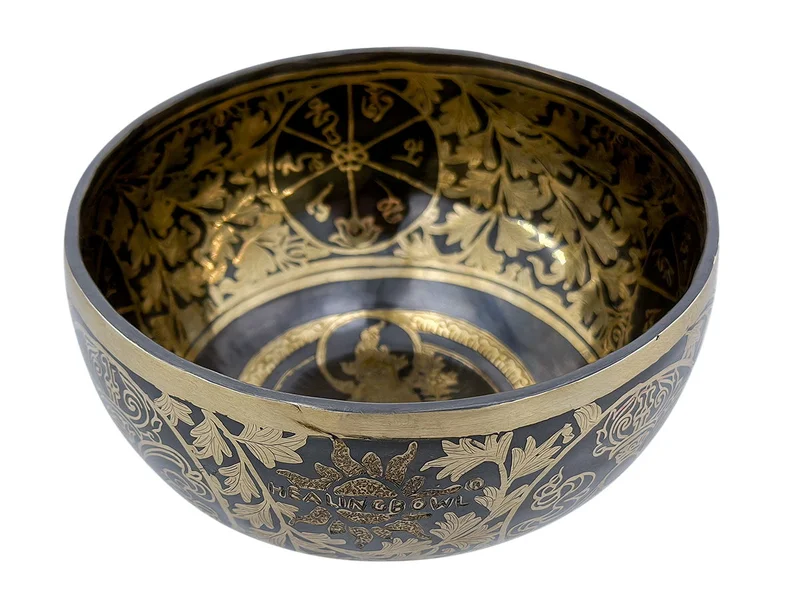
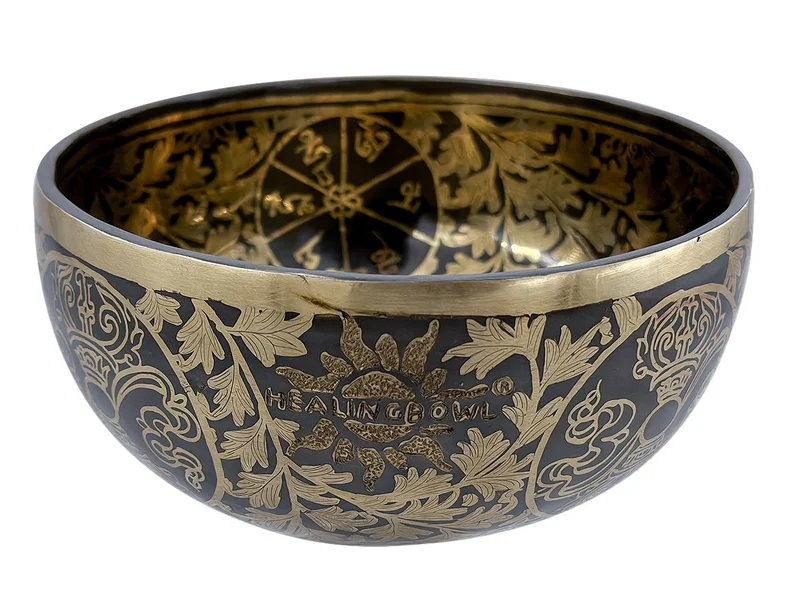
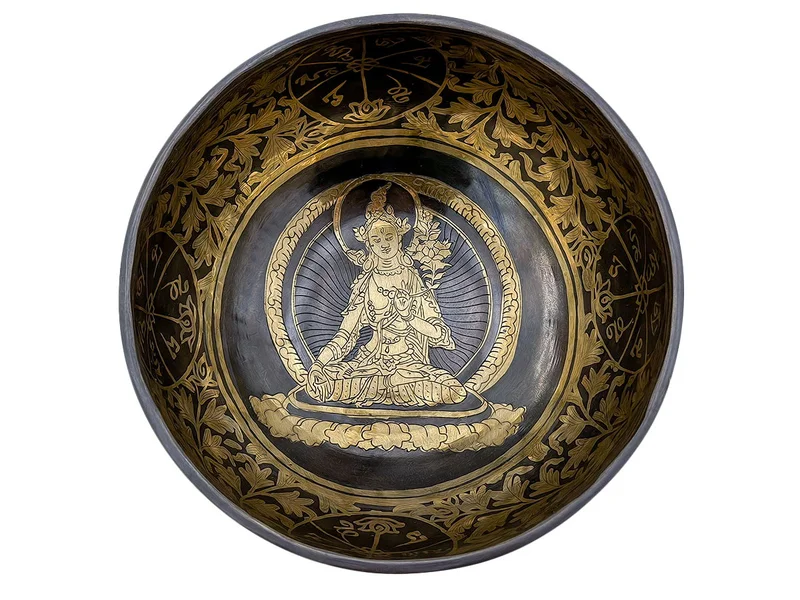
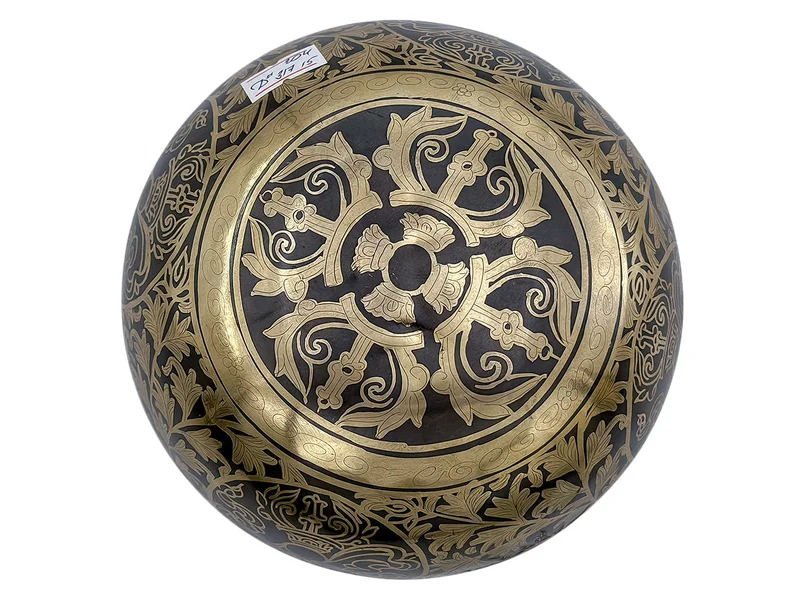
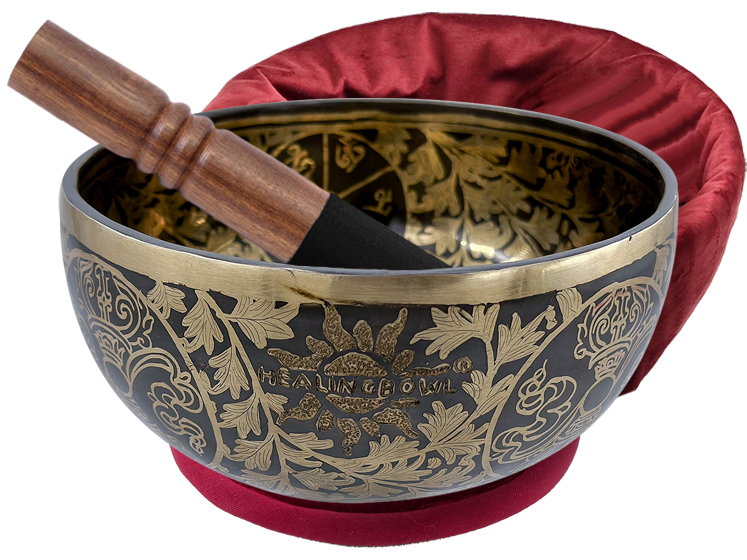
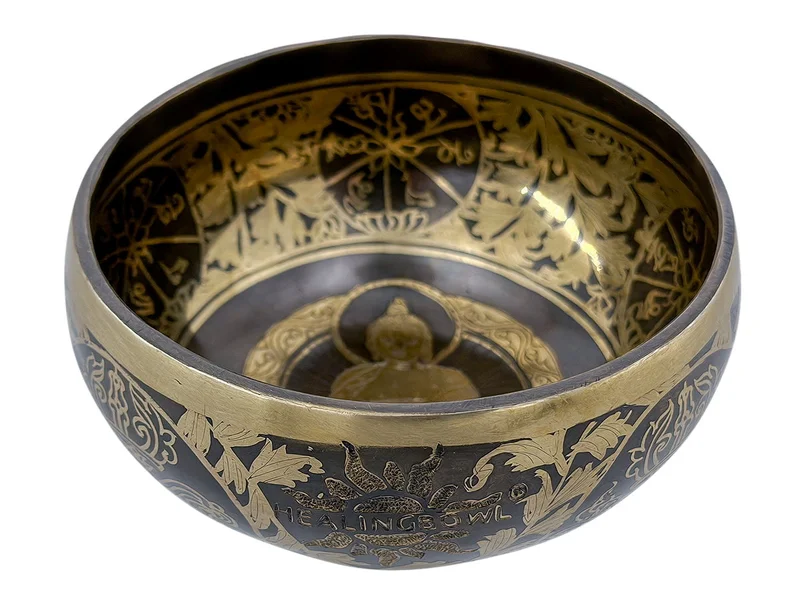
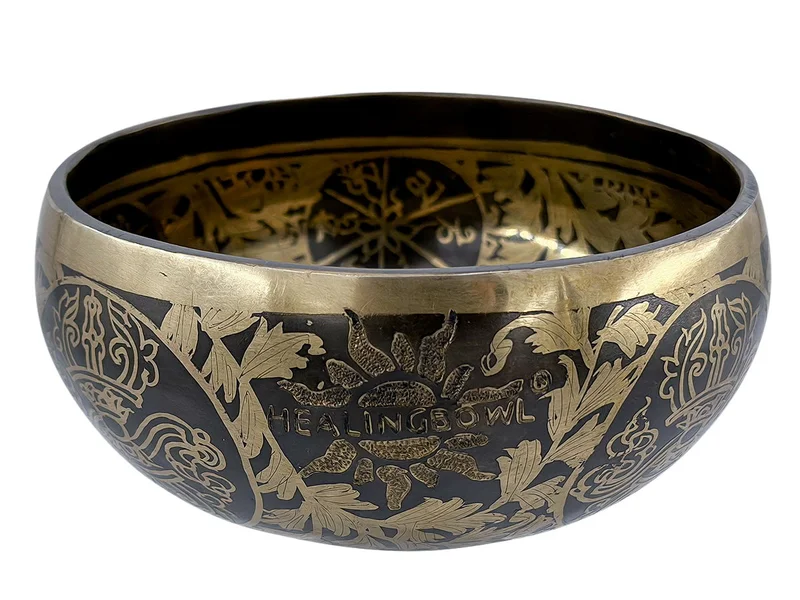
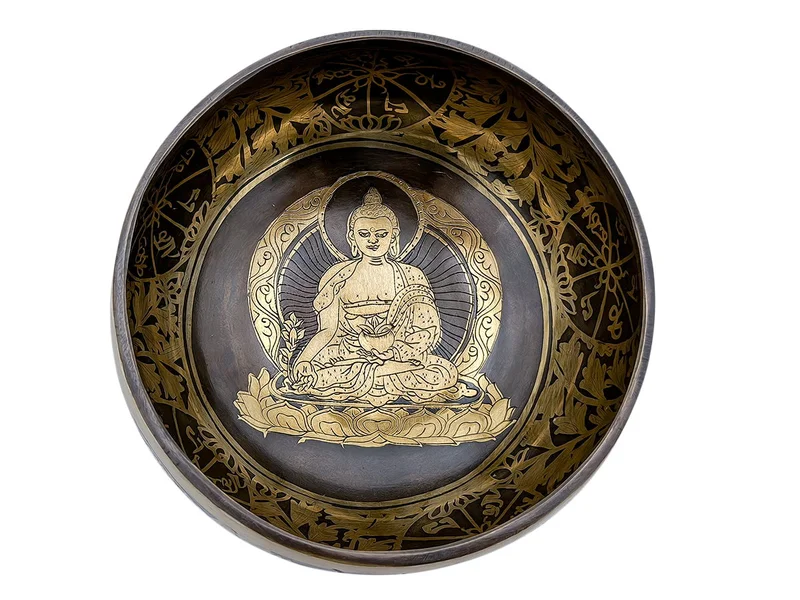
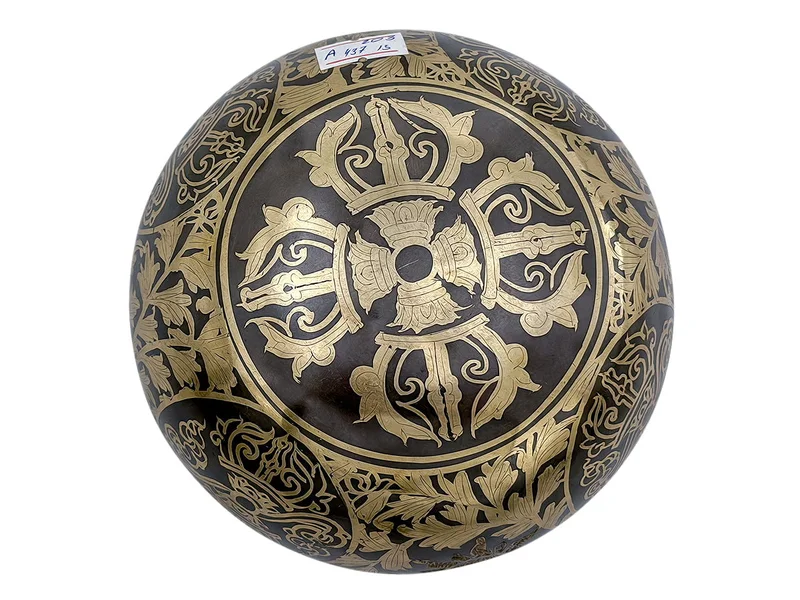
Diameter, weight and the main tone can be read from the listing. Everything else can only be heard, or seen on video. That is why every bowl in the catalogue has a recording of its own.
How long the bowl sounds
One strike, and the sound holds in the room for 90 to 120 seconds, evenly, fading smoothly to nothing. A mass-produced bowl falls silent in about 60 seconds, and the practitioner has to start the next one sooner. The session becomes very dynamic because of it. But you came here to relax.
The range of overtones
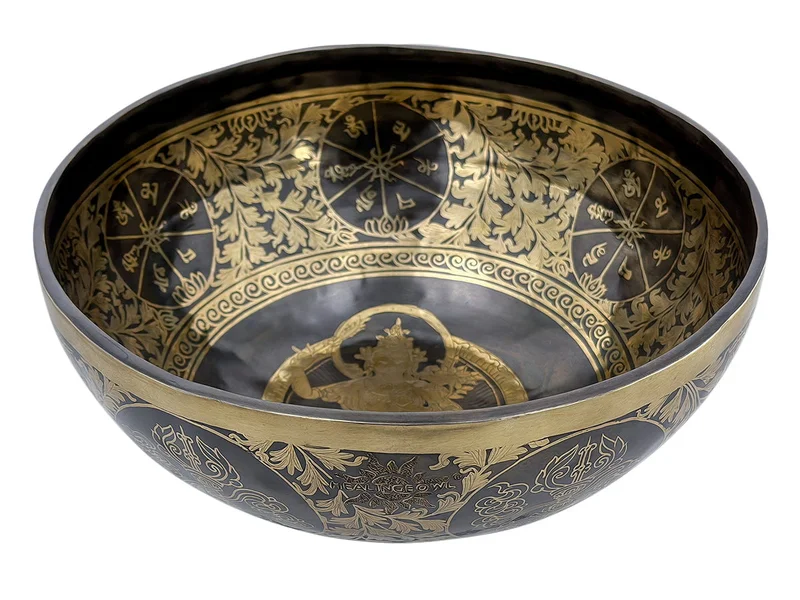
Beyond the main tone, a bowl has a wide spectrum of overtones. In a good bowl the ring is deep and broad, and the sound feels dense and saturated. In a low-quality bowl the range is narrow and comes down mostly to the bowl's main tone.
How it behaves under the mallet
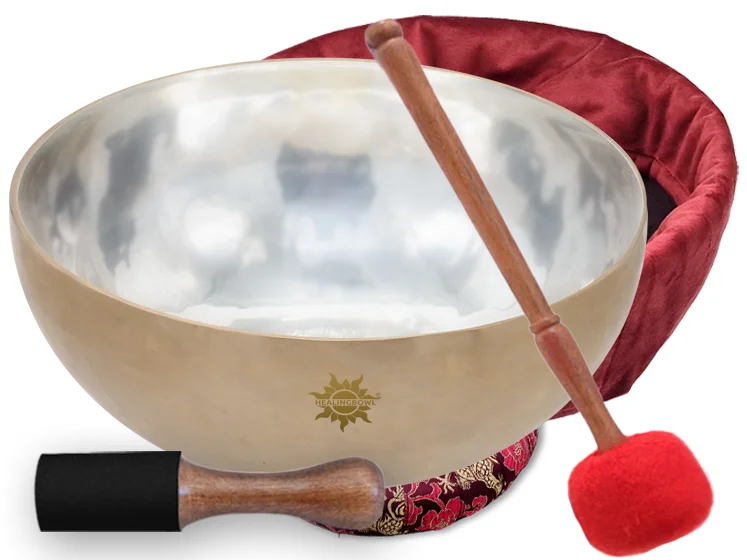
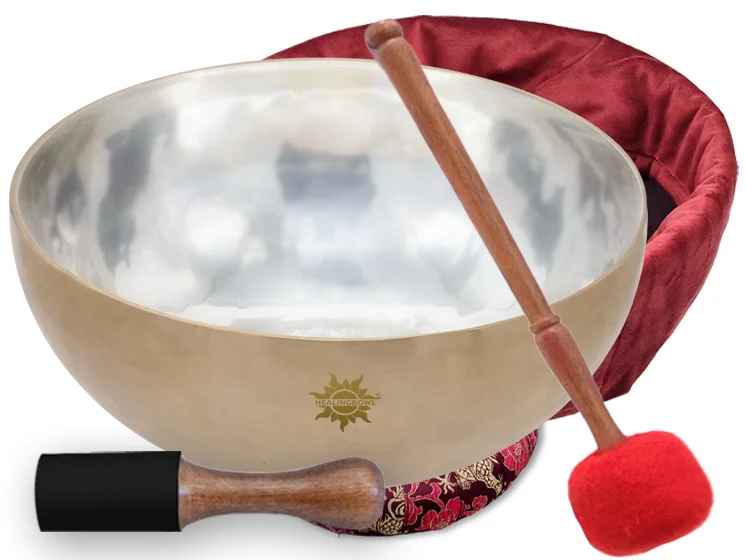
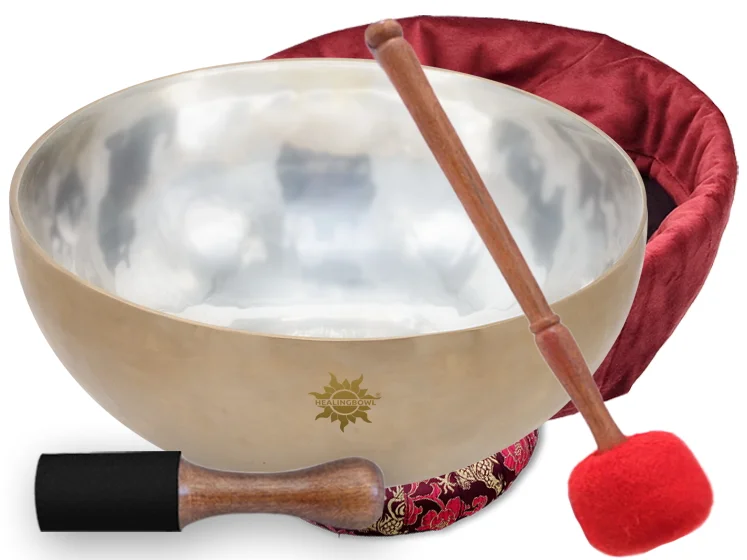
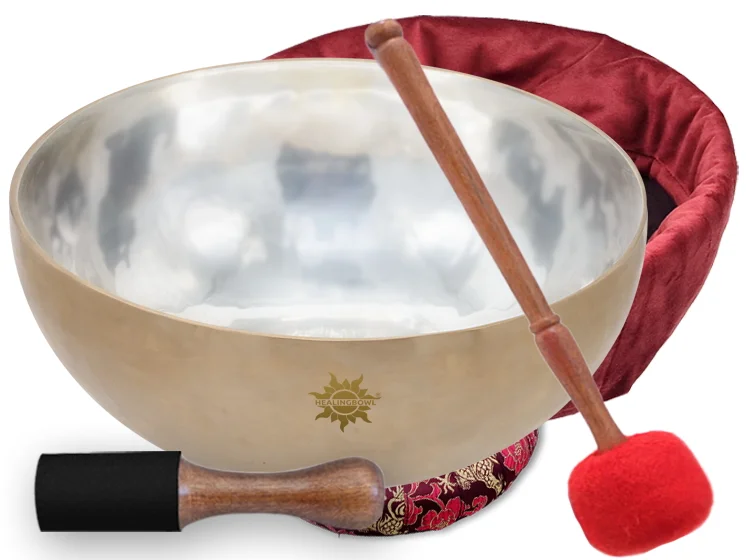
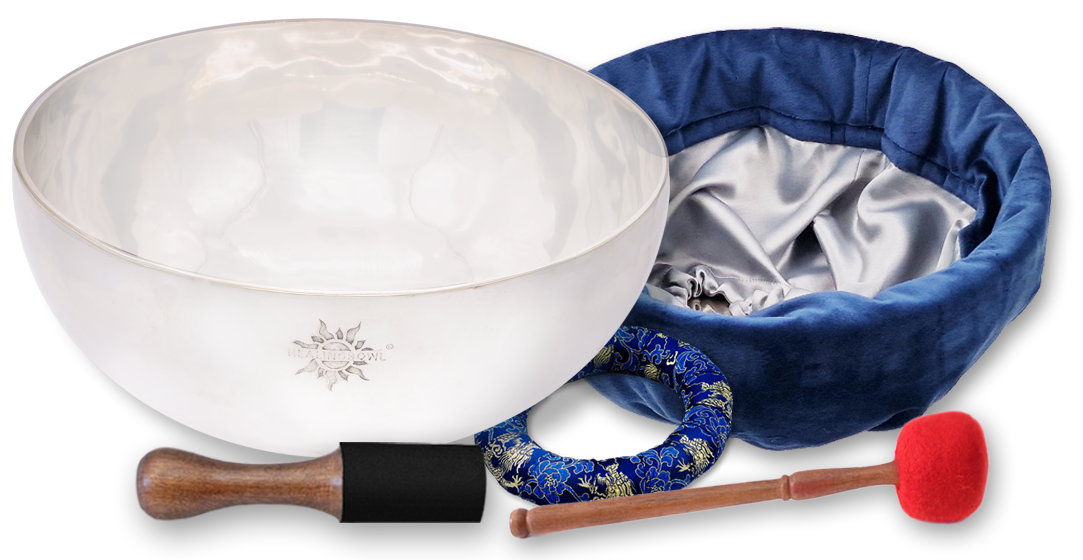
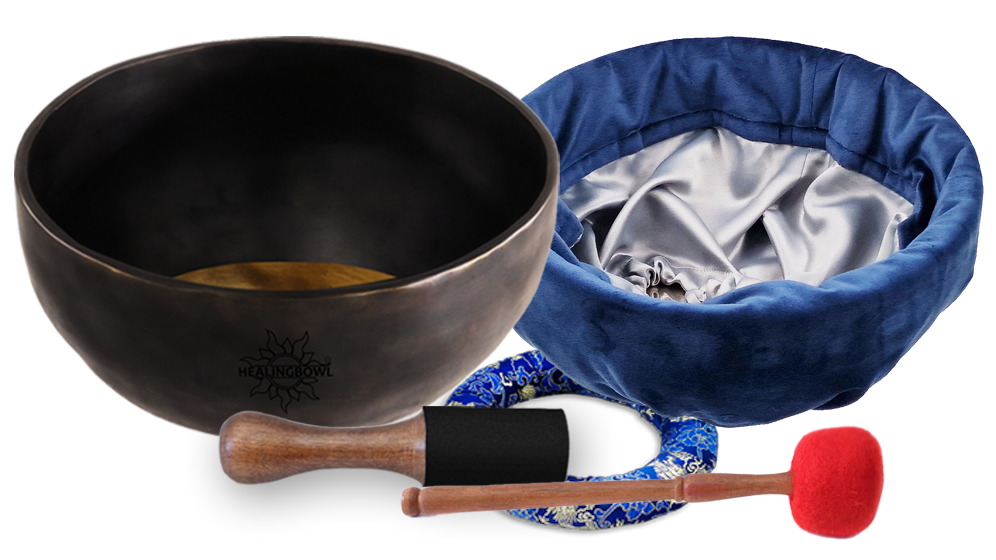
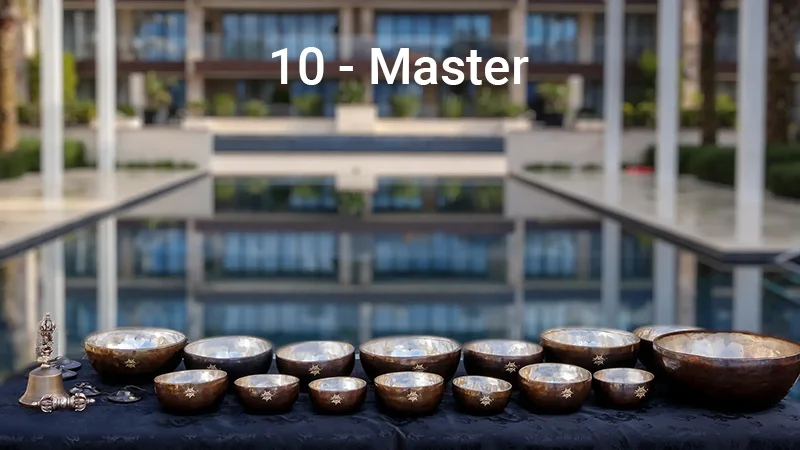
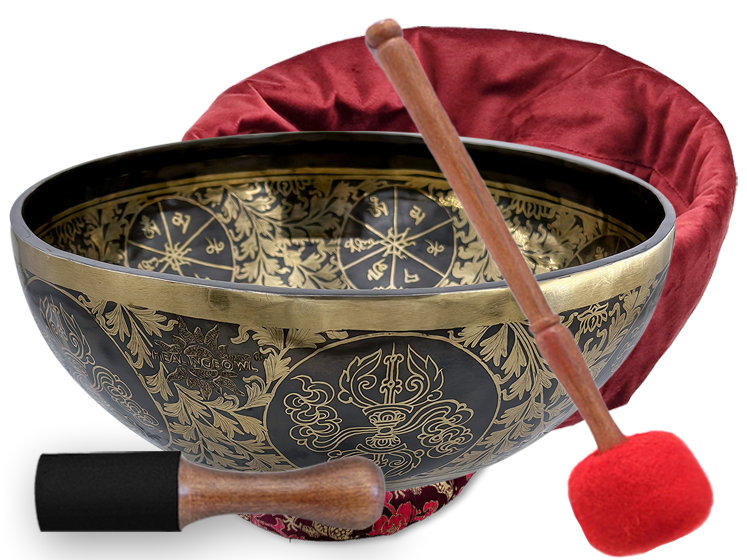
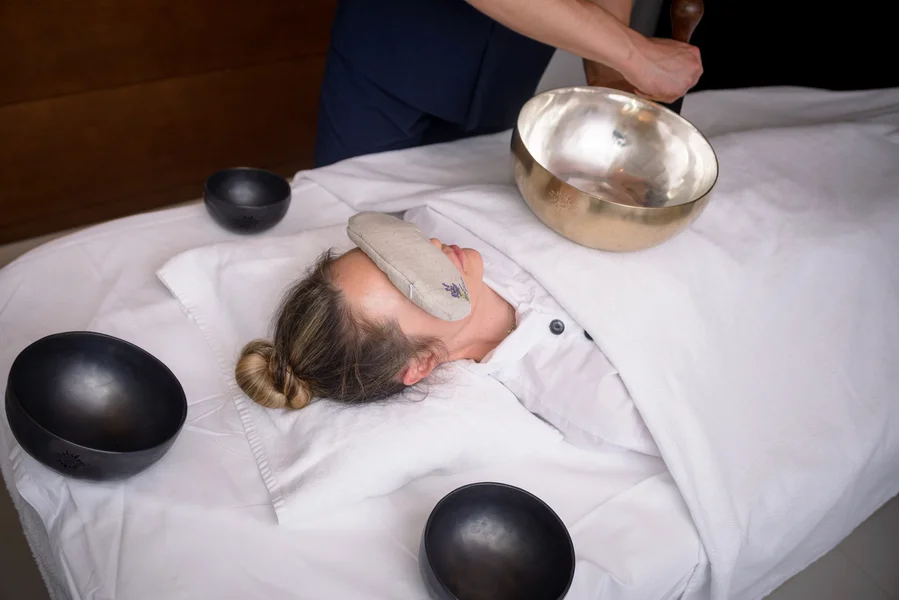
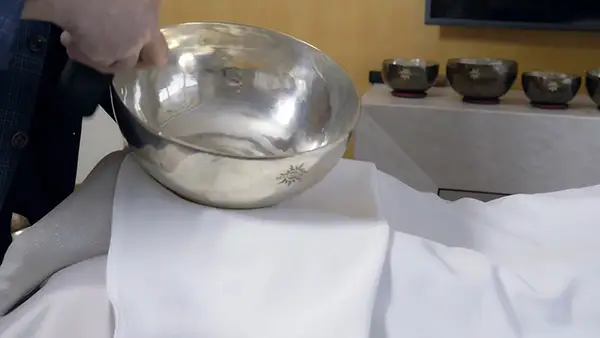
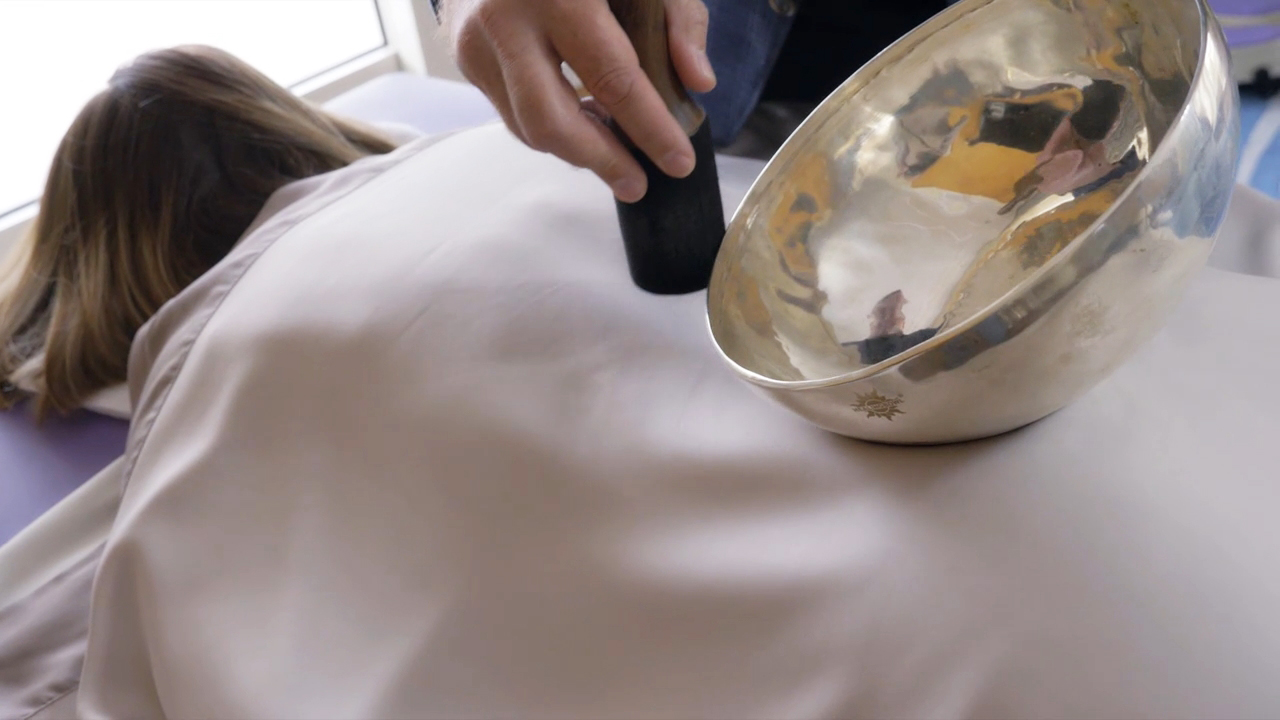
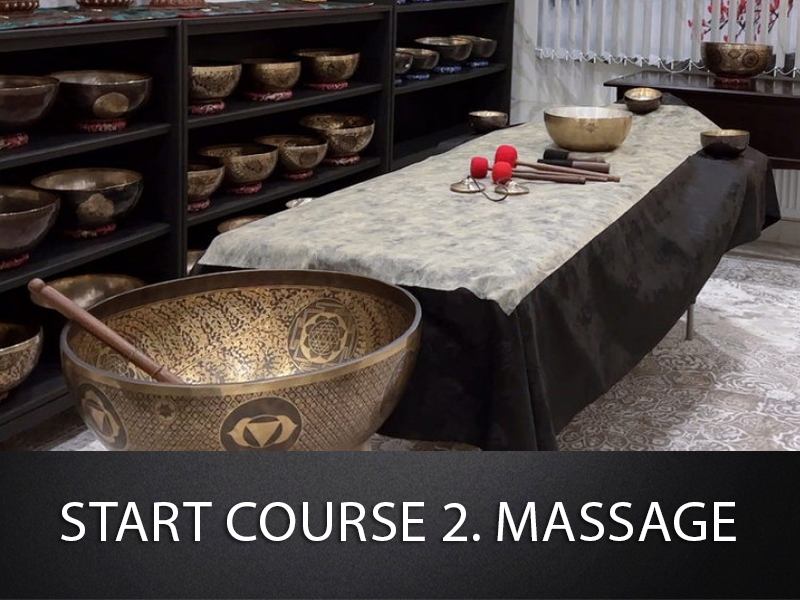
A massage bowl is led around the rim with a stick. A good one holds an even vibration and a pleasant low-frequency sound, giving a steady hum all the way round. That comes from careful finishing of the surface. A low-quality bowl suddenly jumps to a higher, sharper note that cuts the ear. Of ten bowls prepared for us, we keep one.
How deep the vibration goes
Massage bowls work in the low frequency range and have a high elasticity, achieved in production through a laborious forging process. For the best massage effect, bowls of 65 to 110 Hz with a particular degree of elasticity are used.
How the bowls sound together
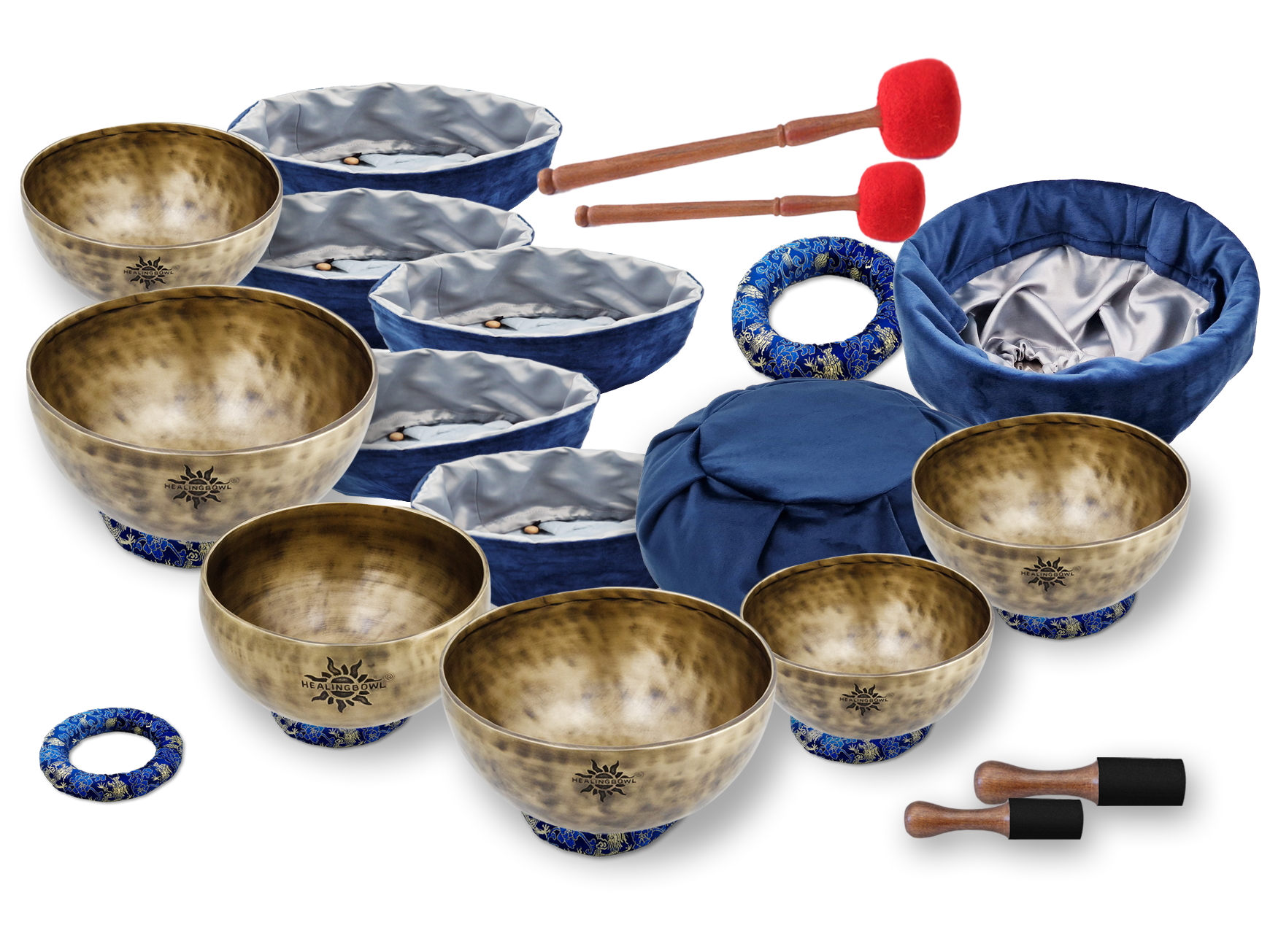
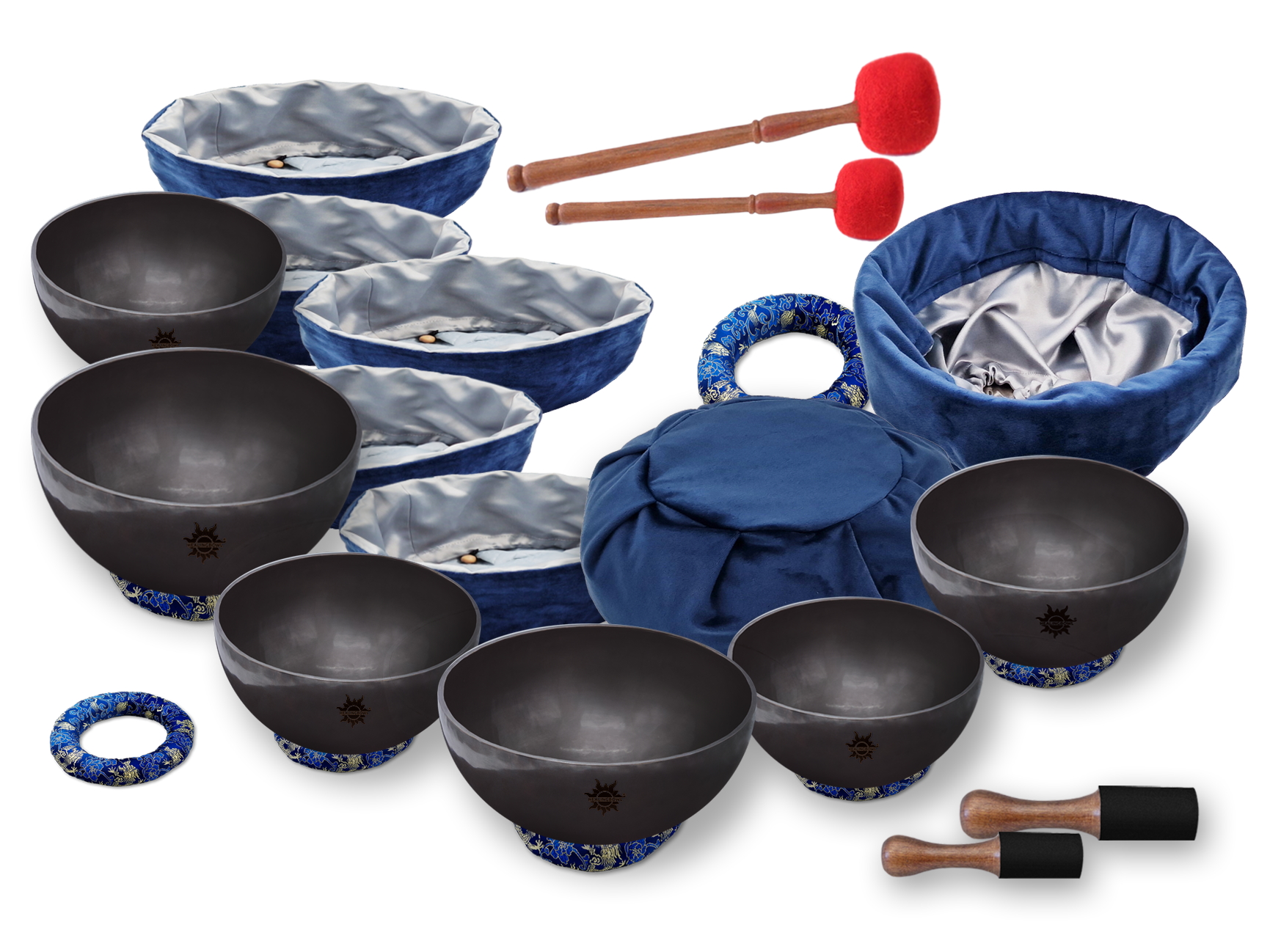
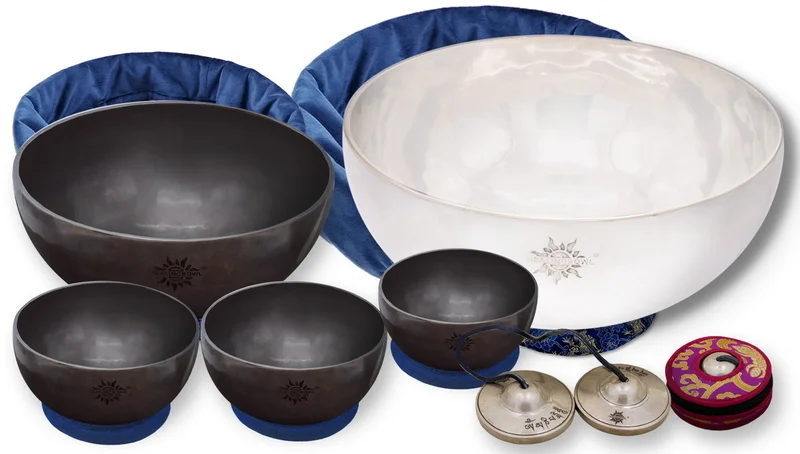
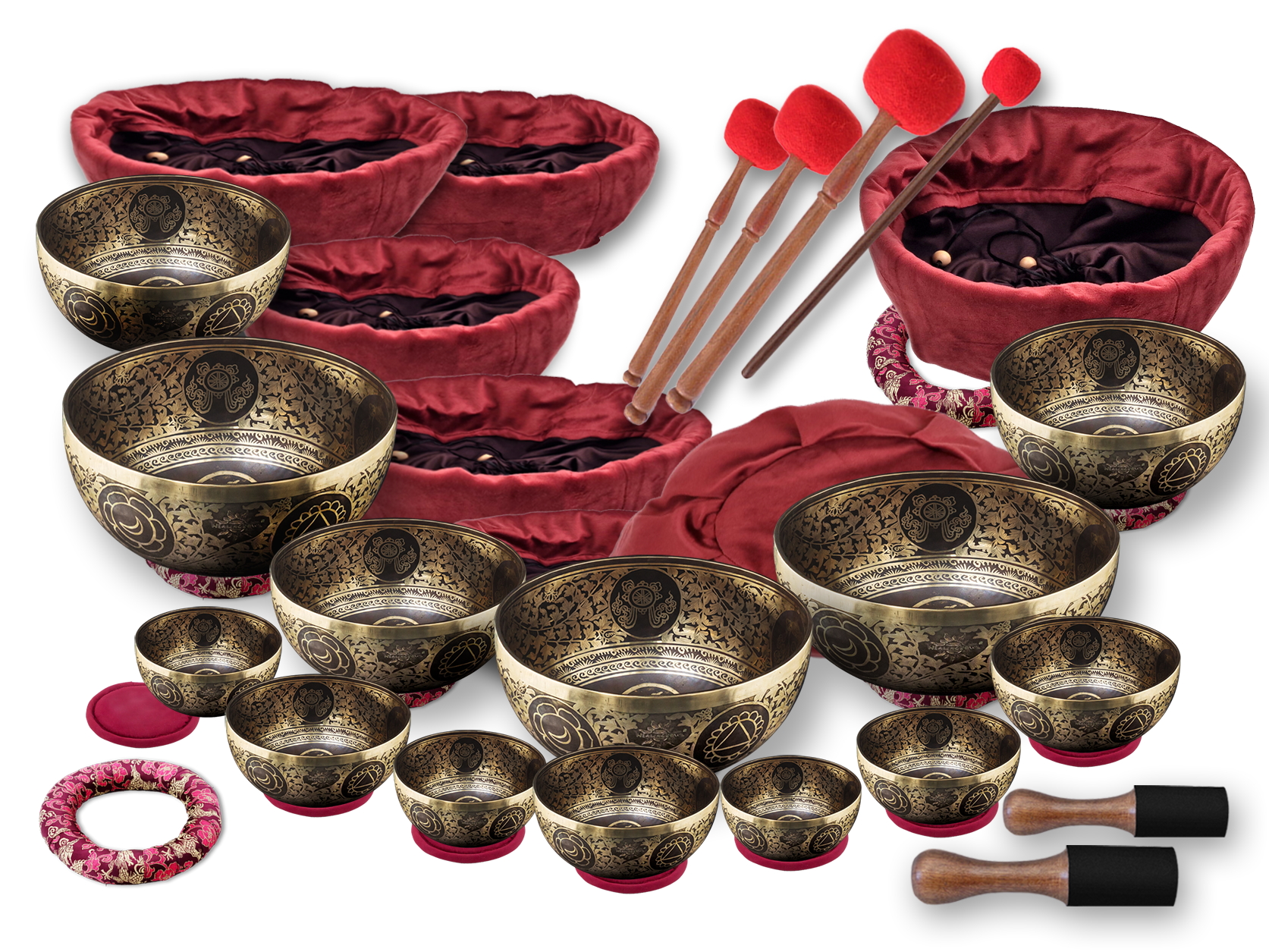
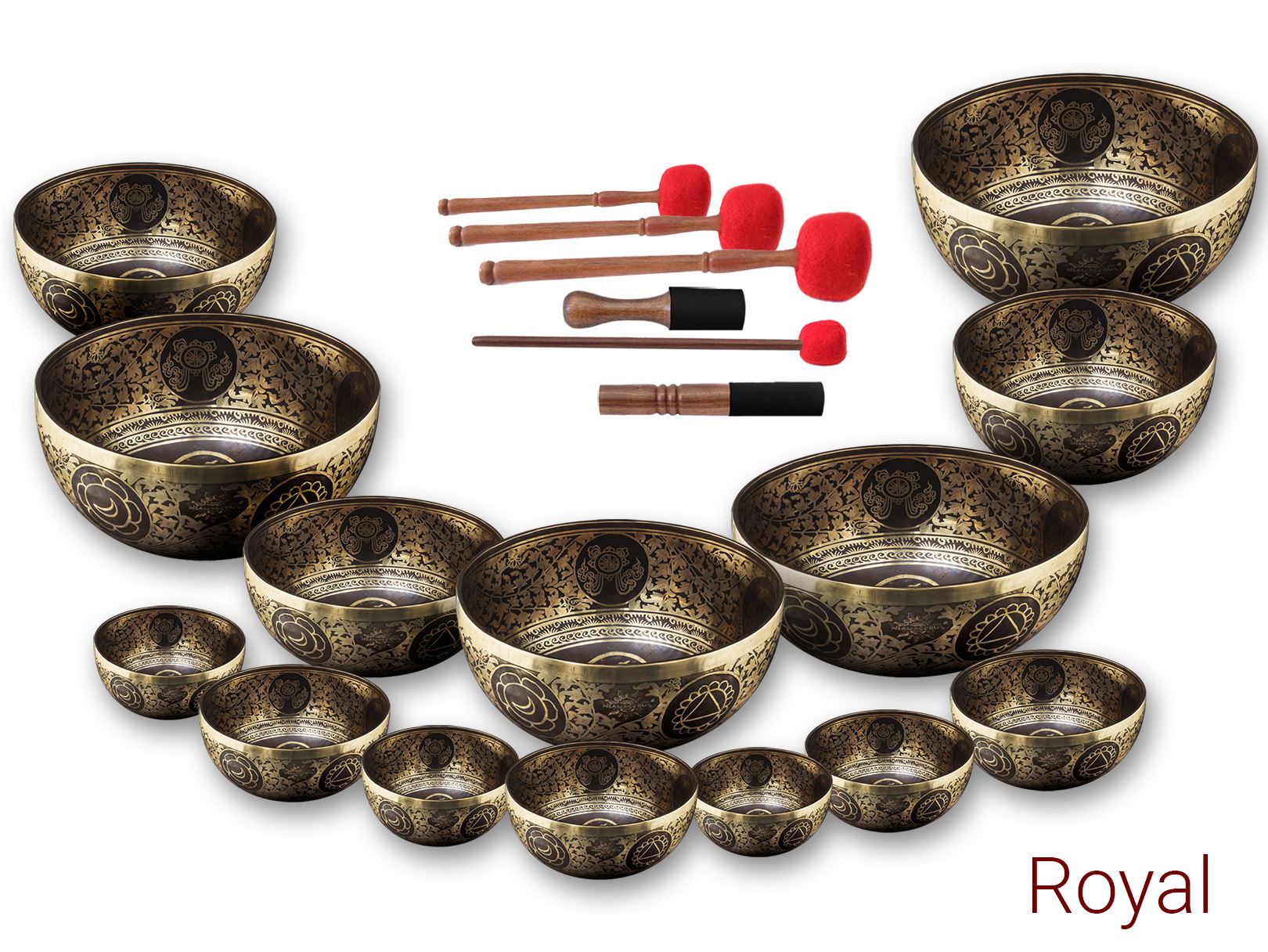
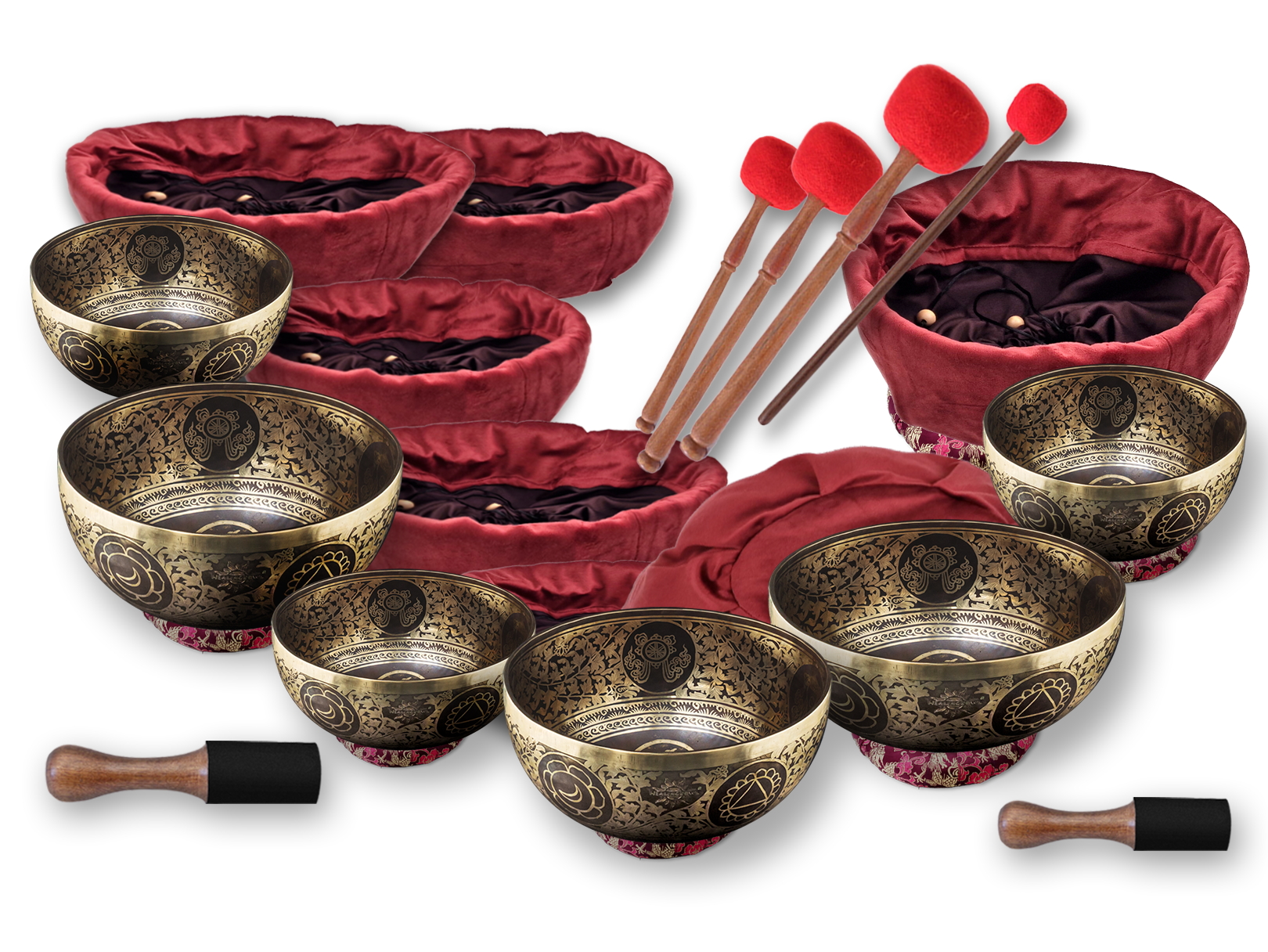
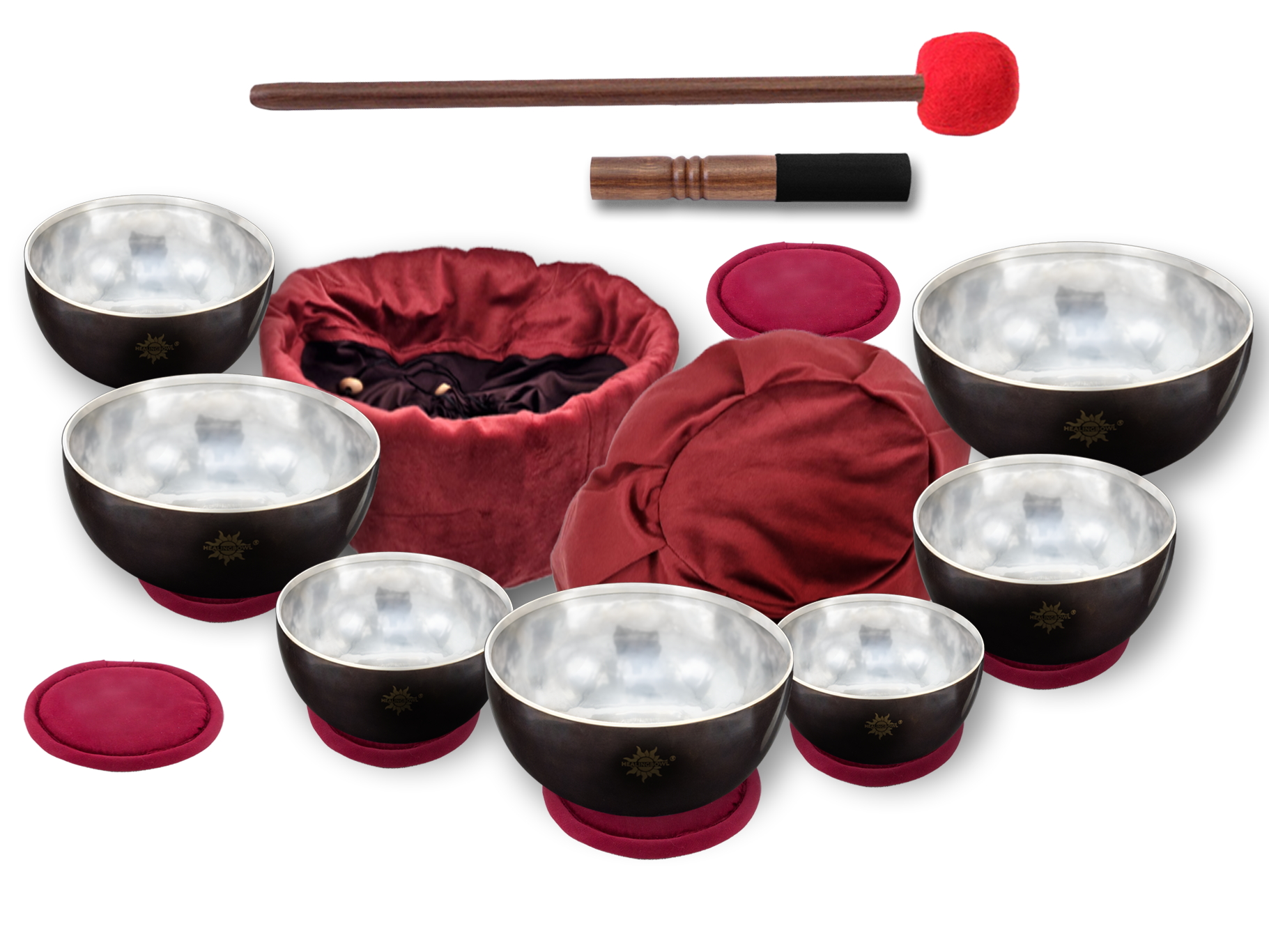
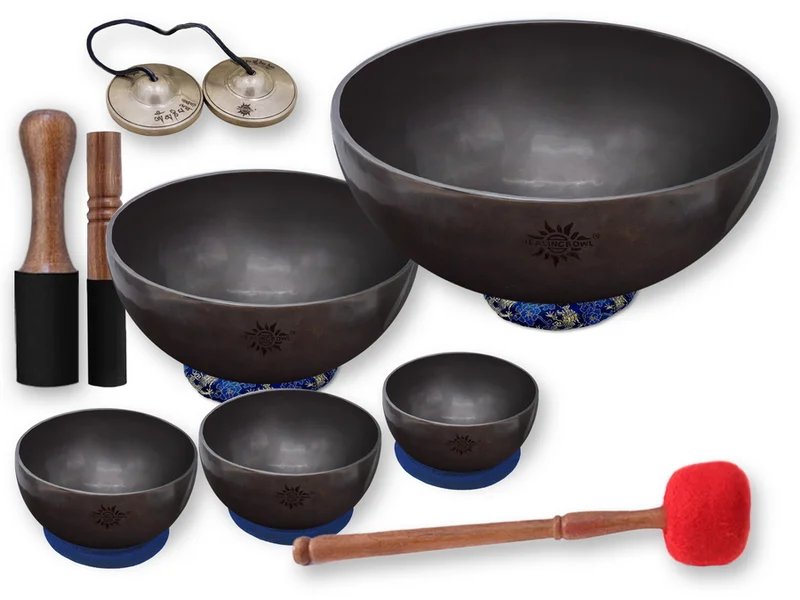
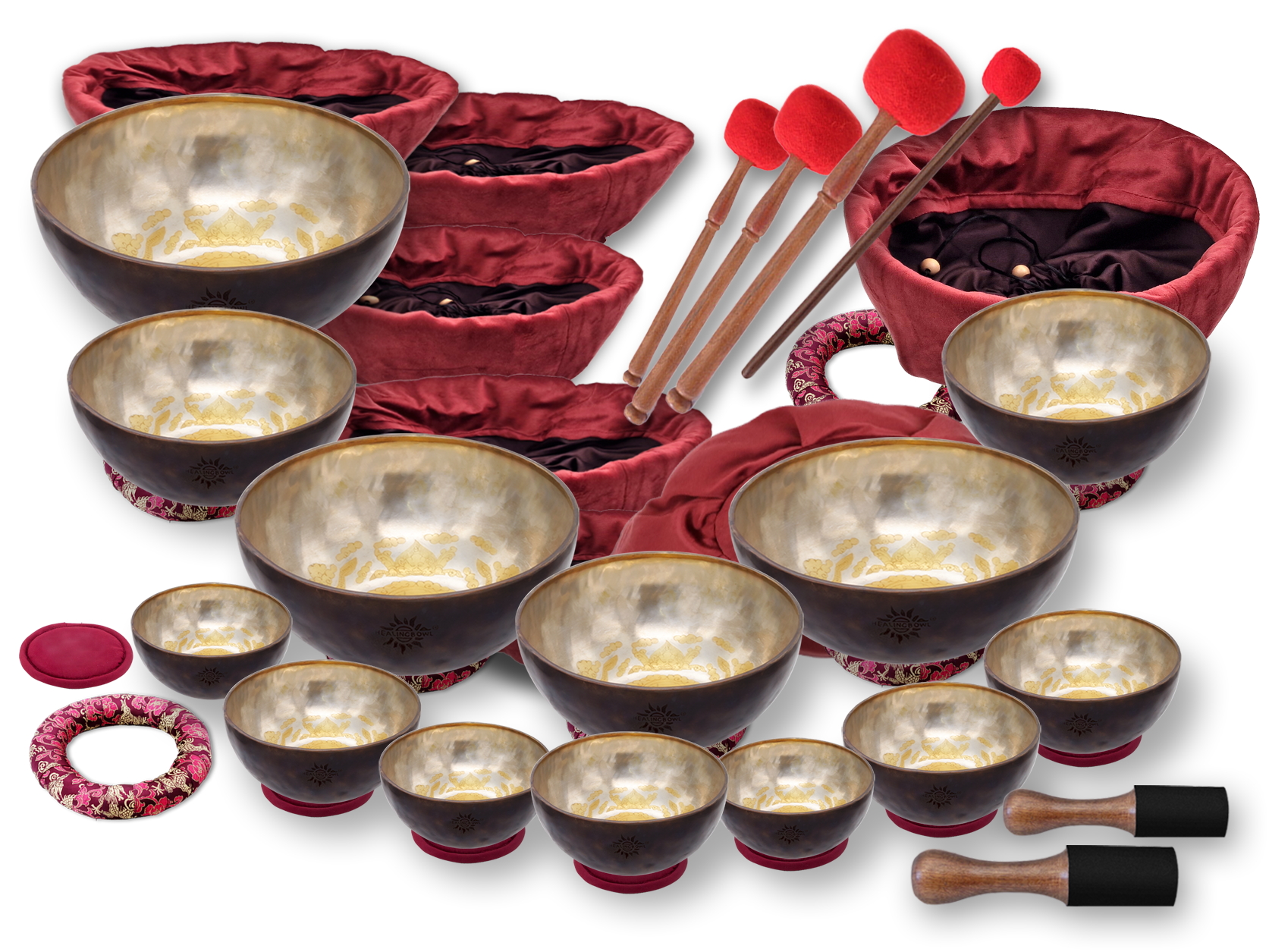
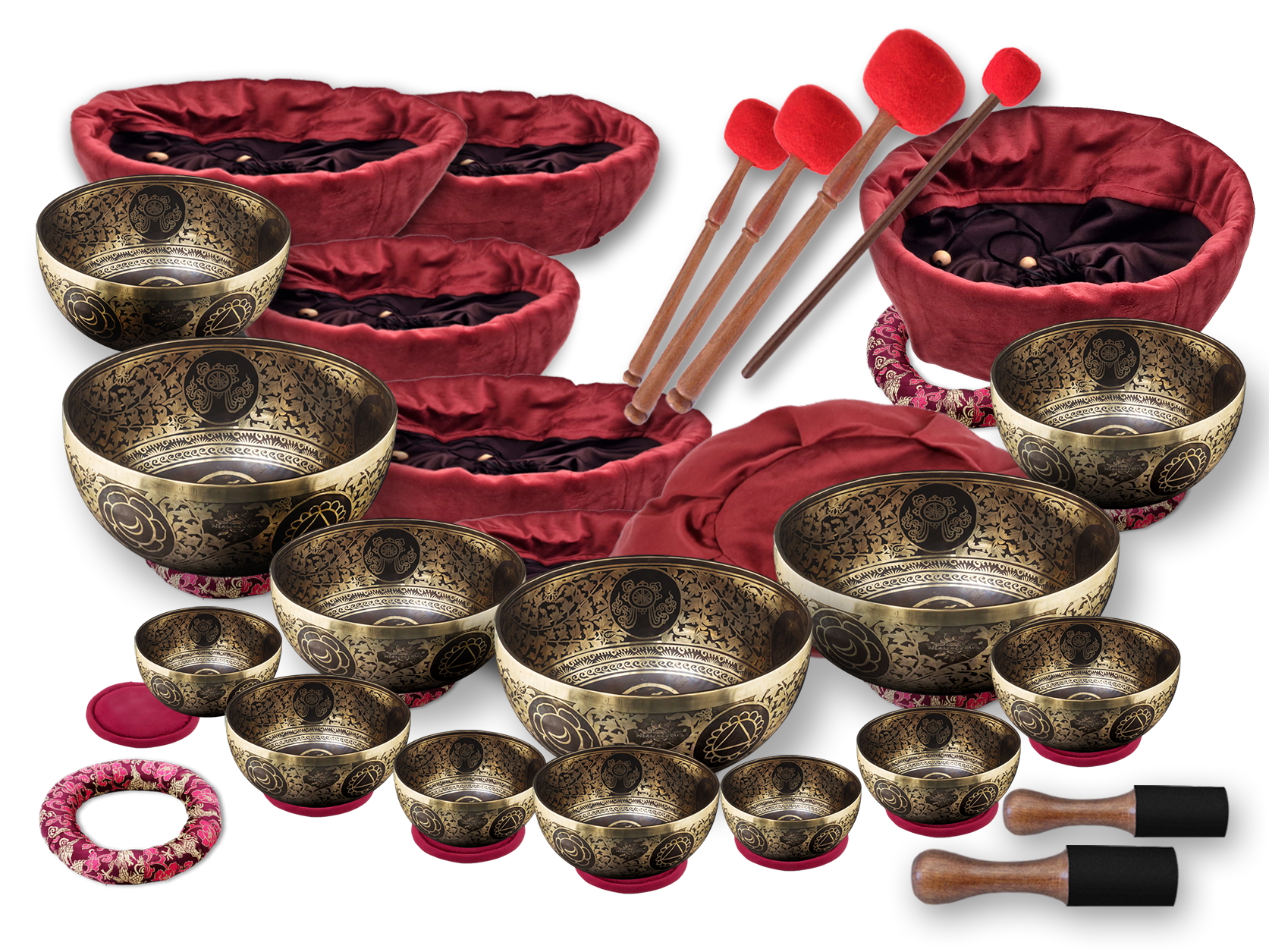
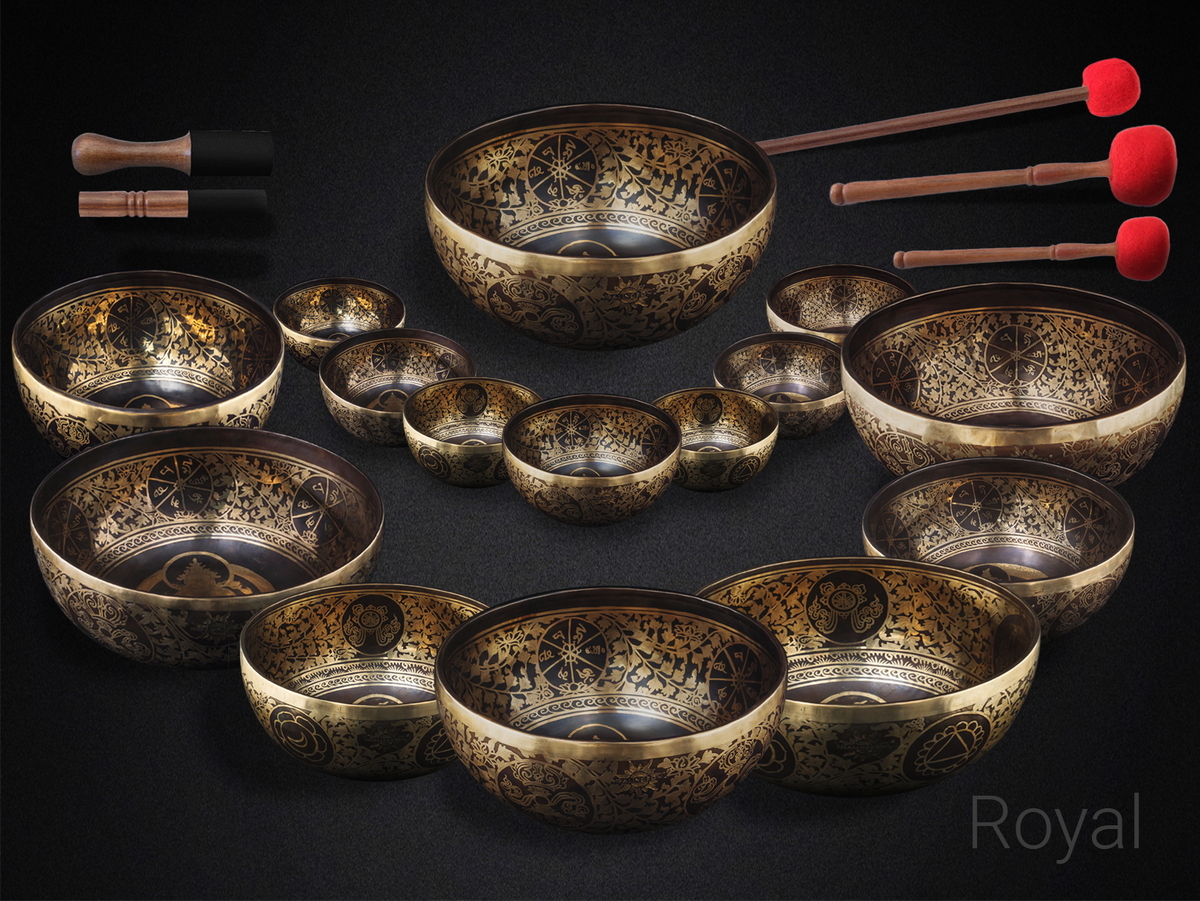
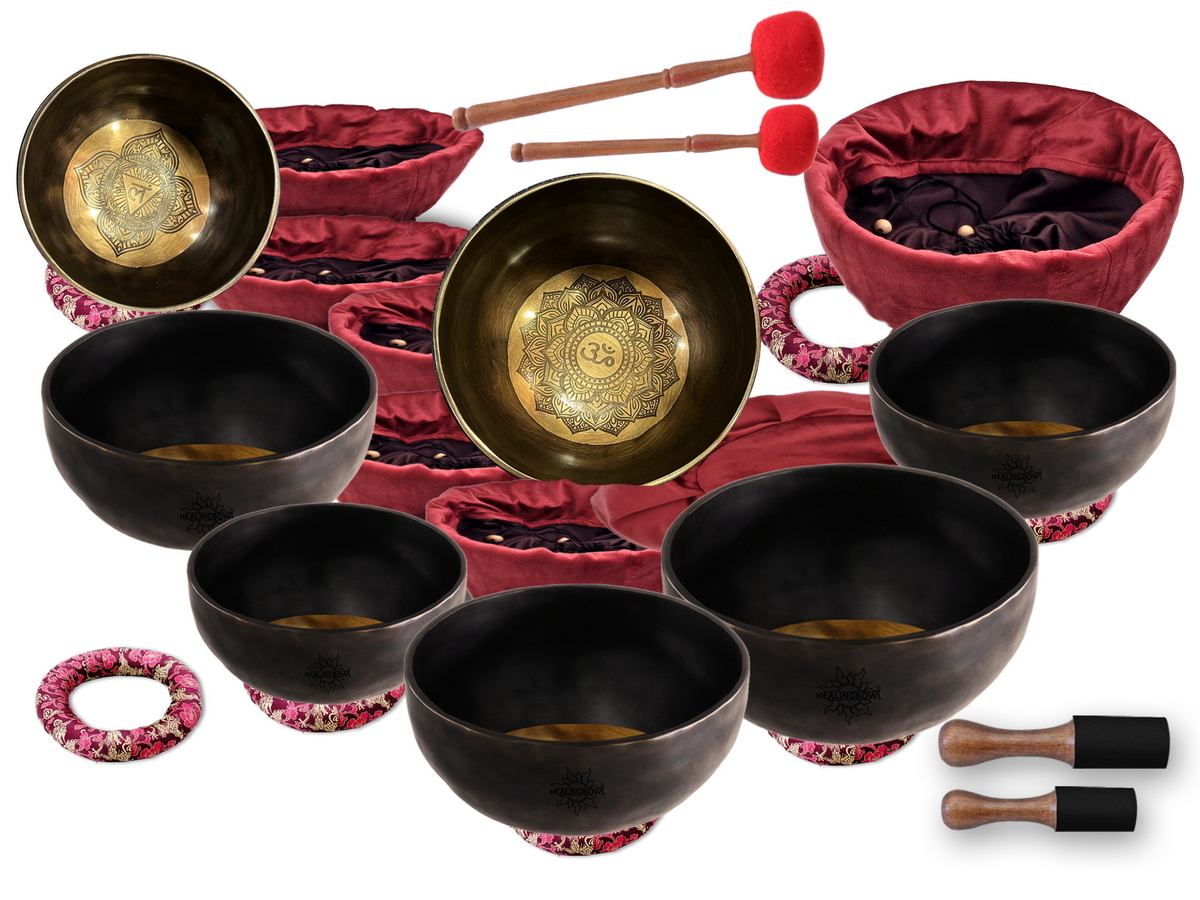
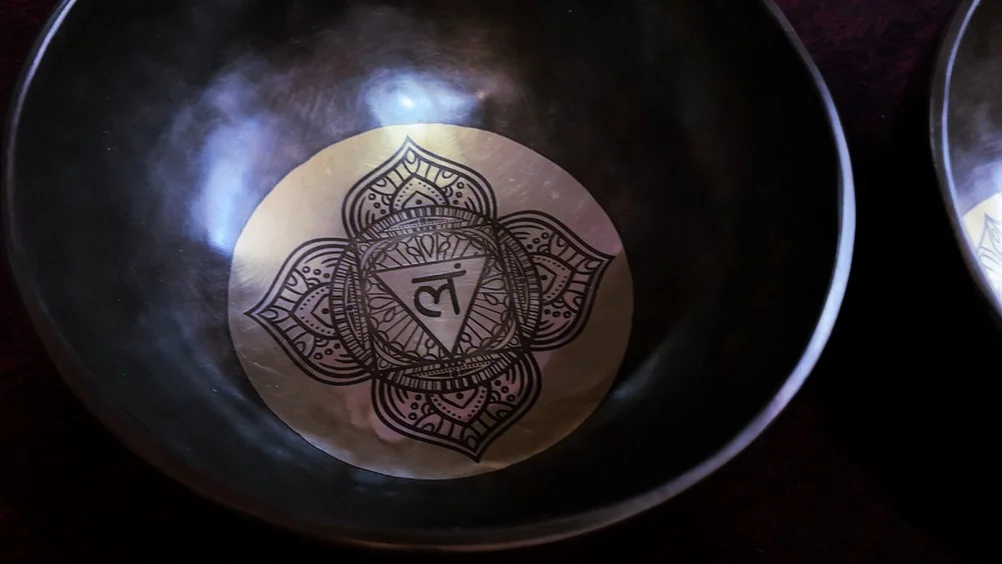
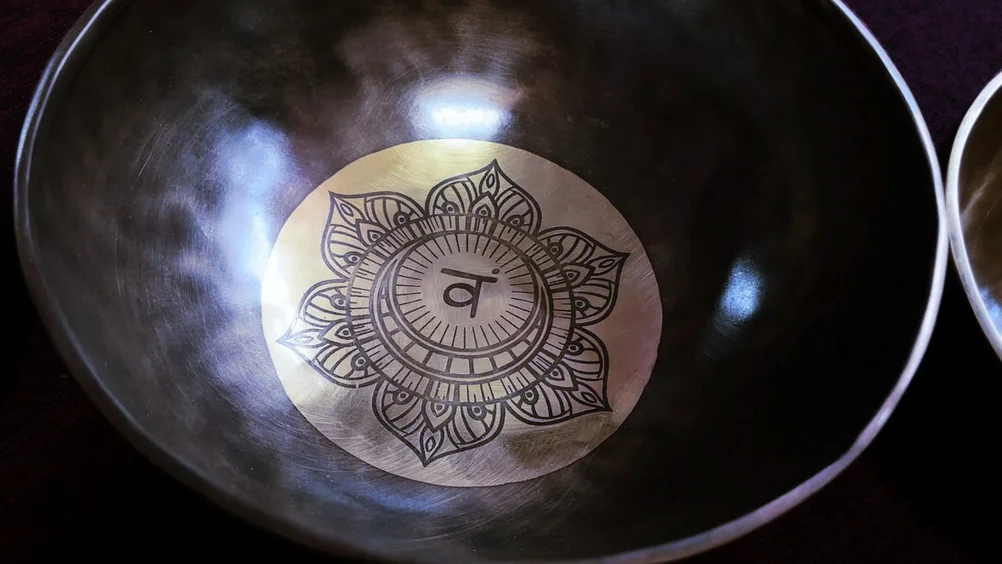
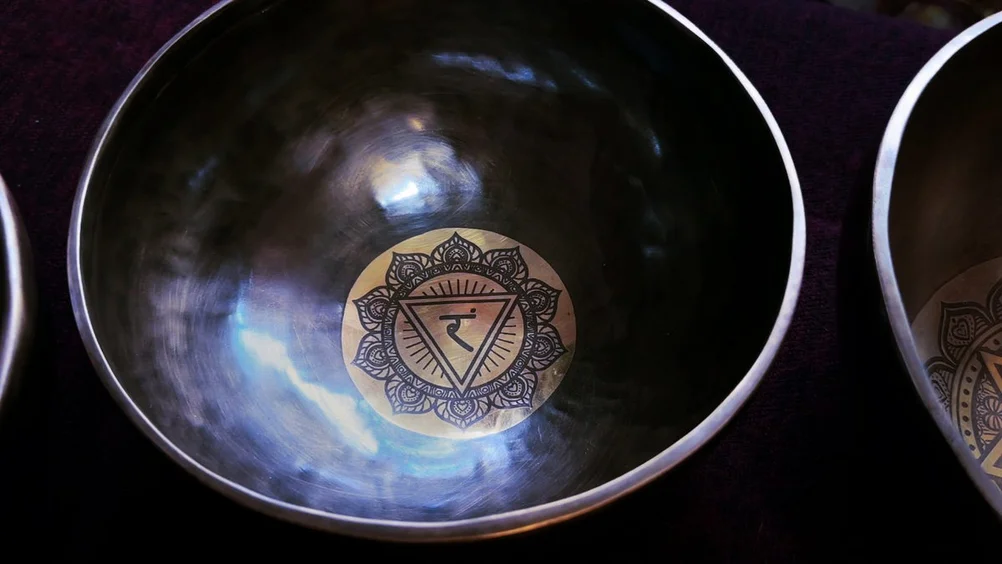
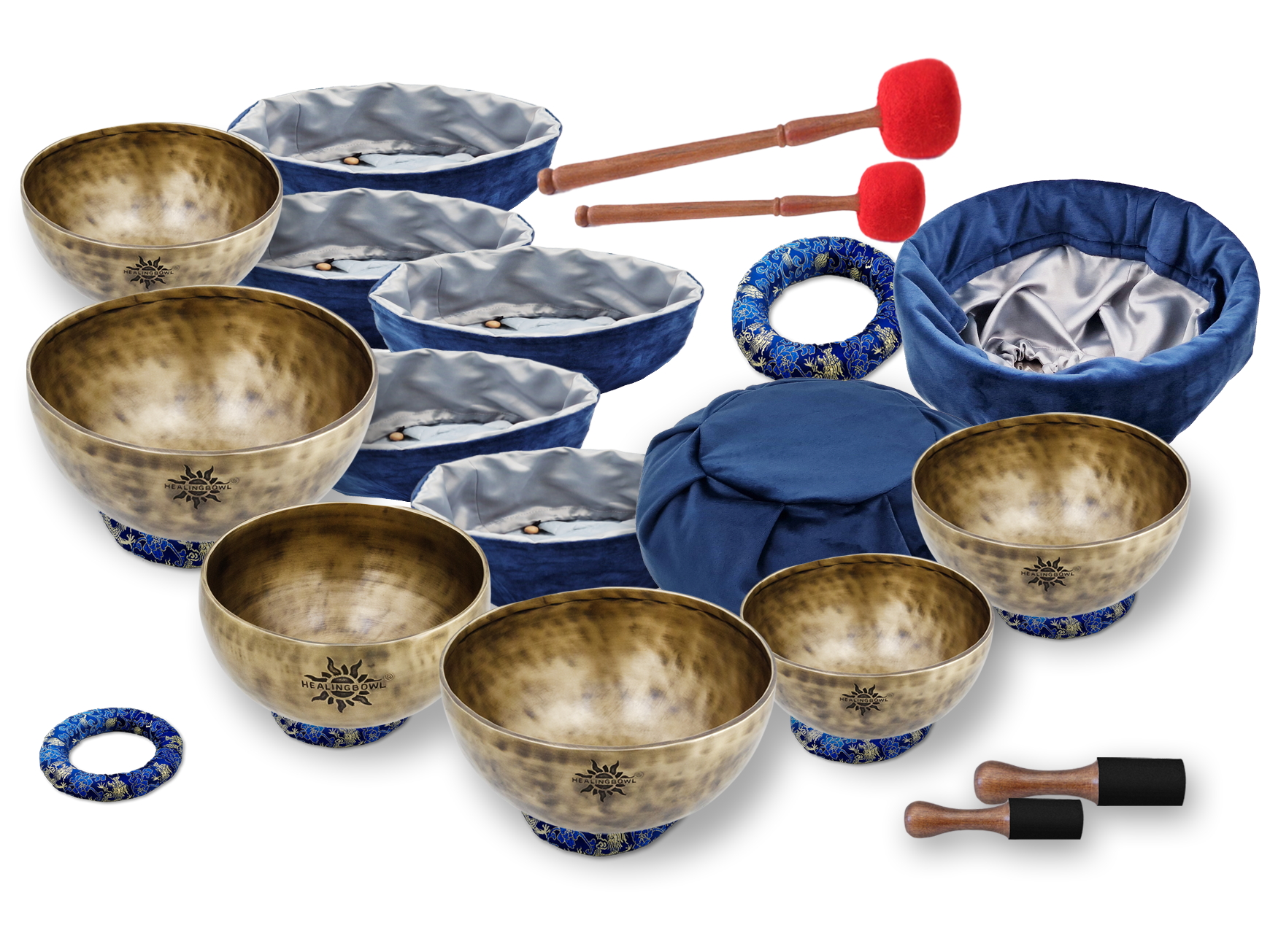
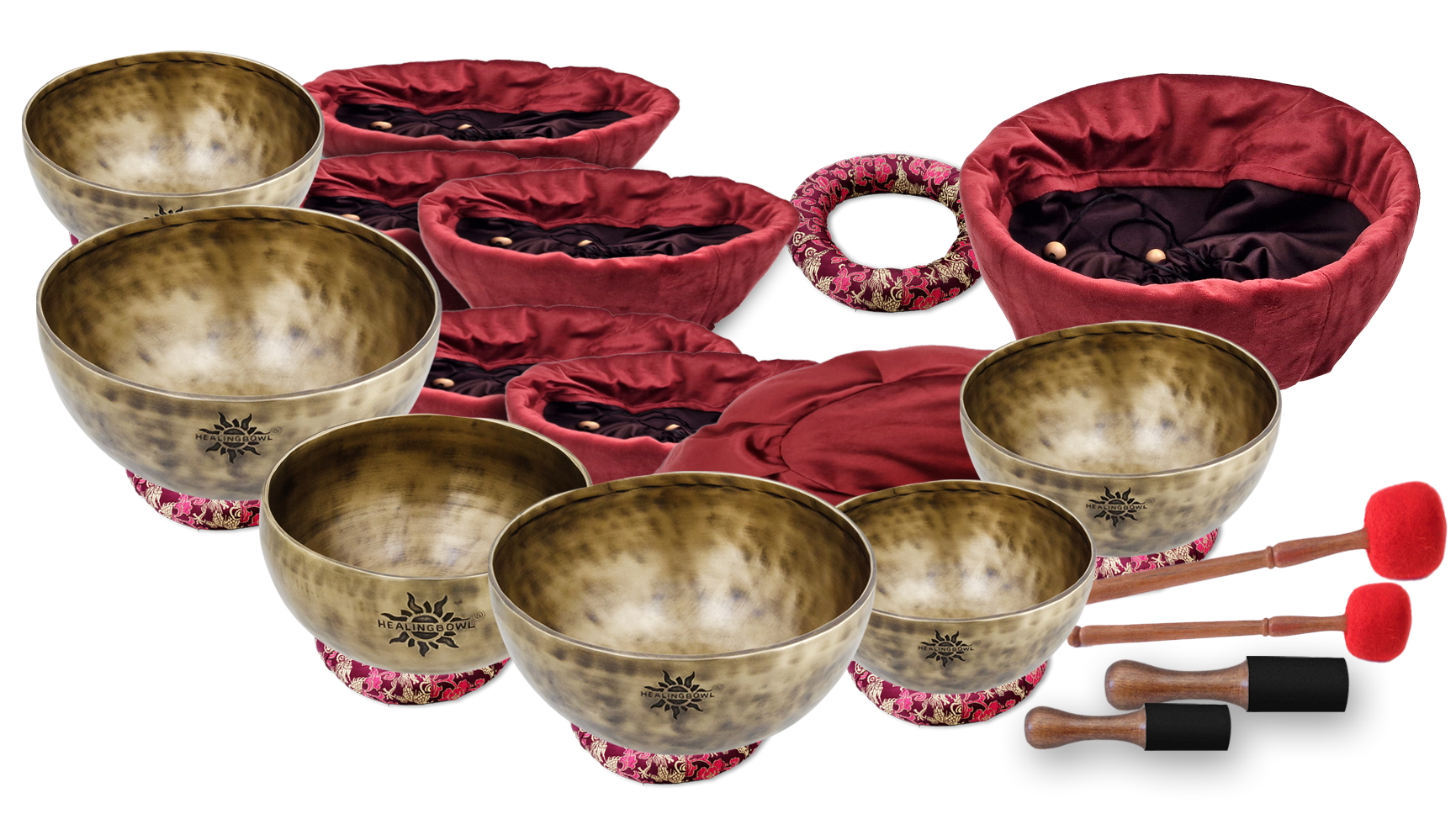
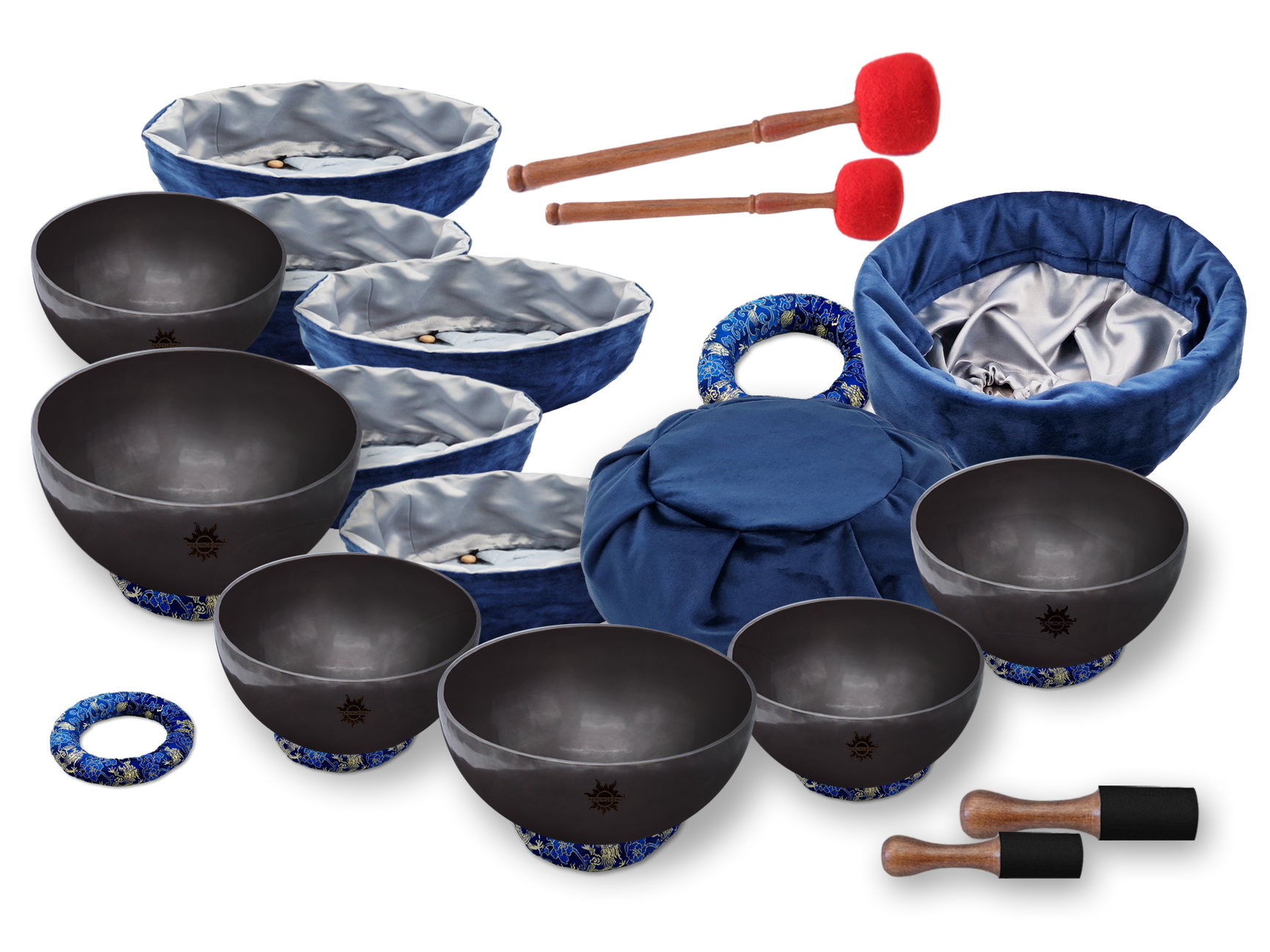
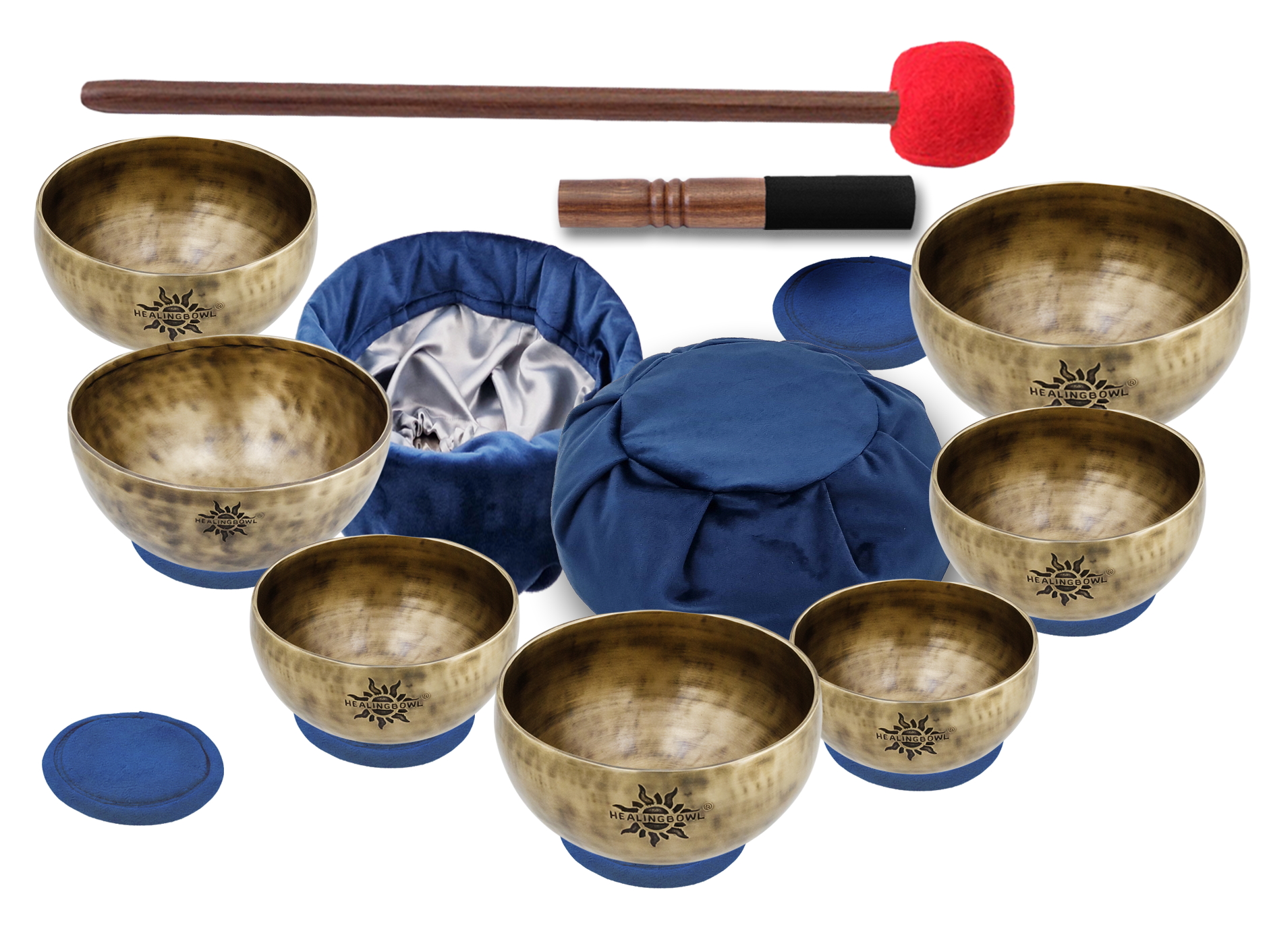
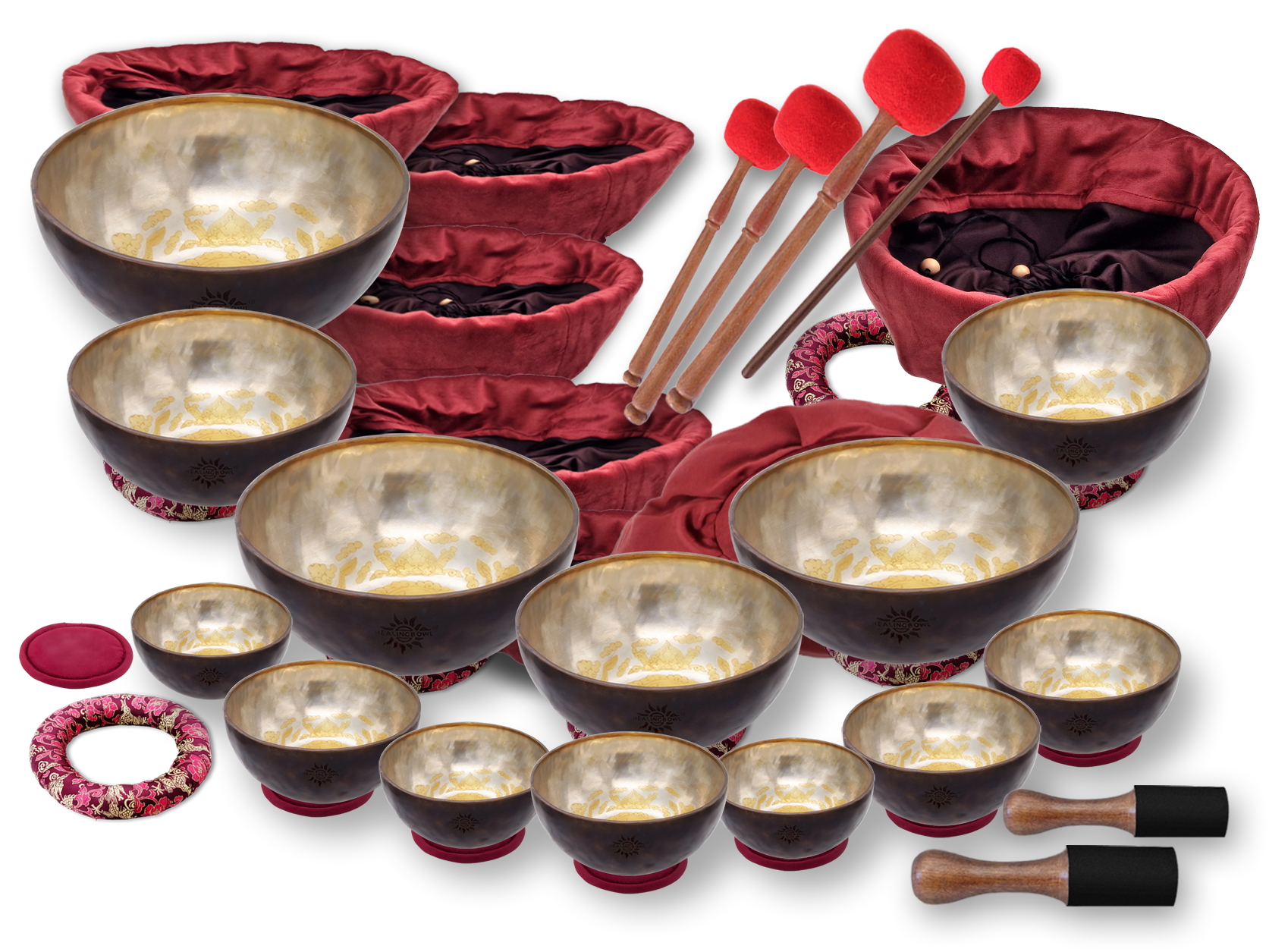
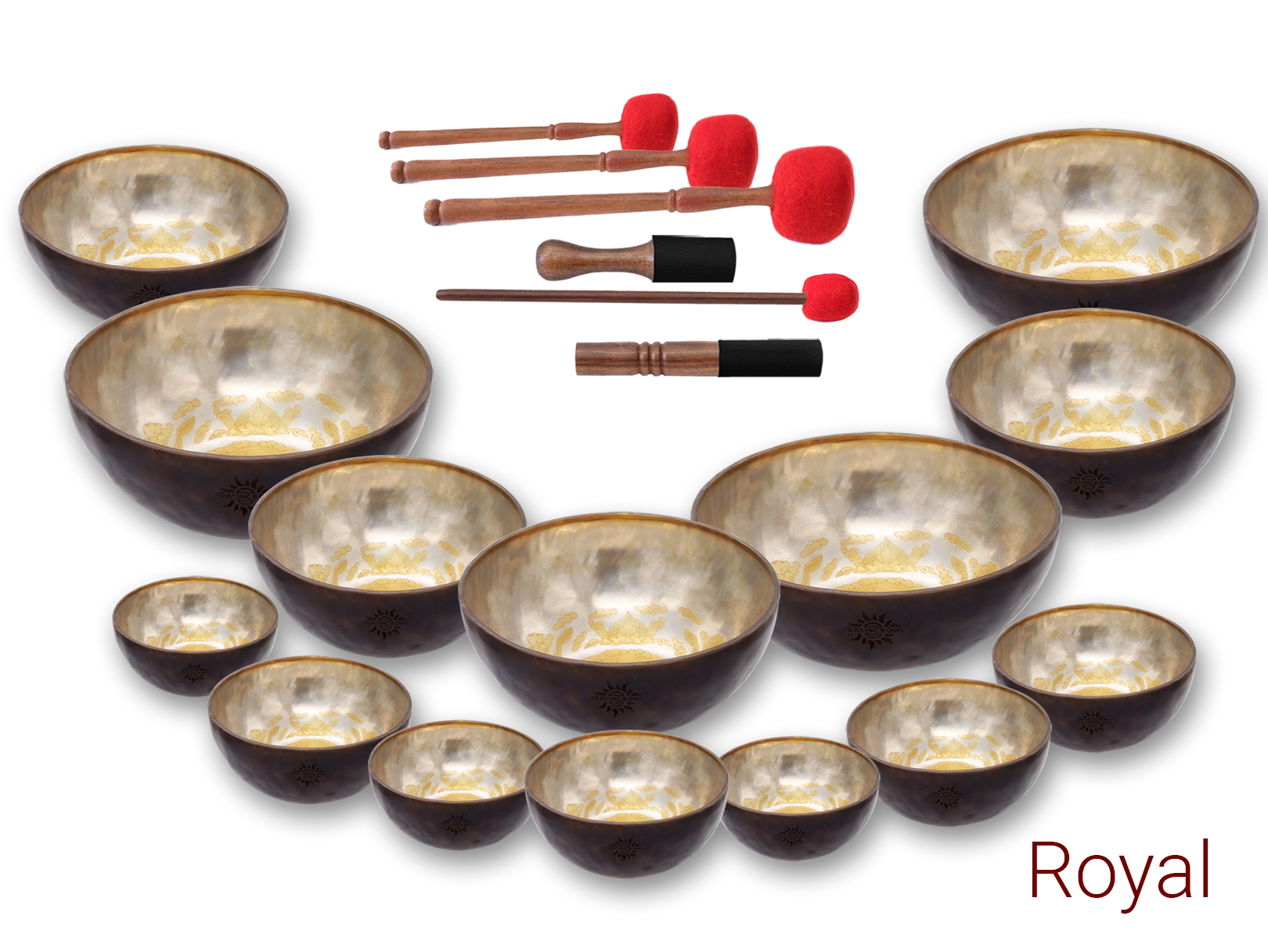
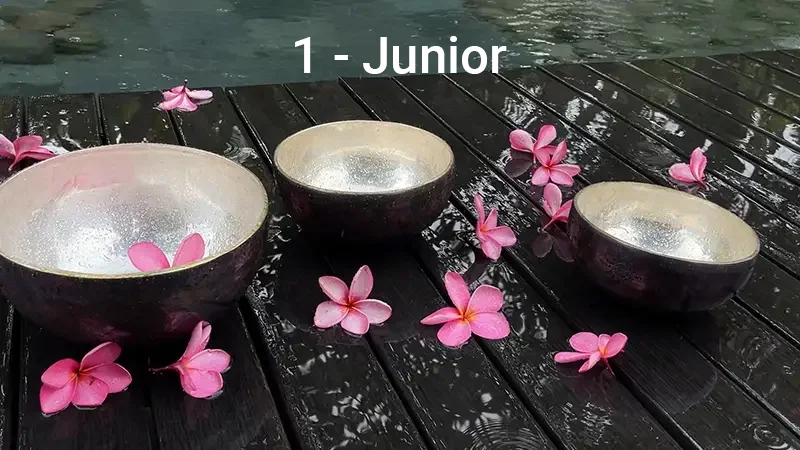
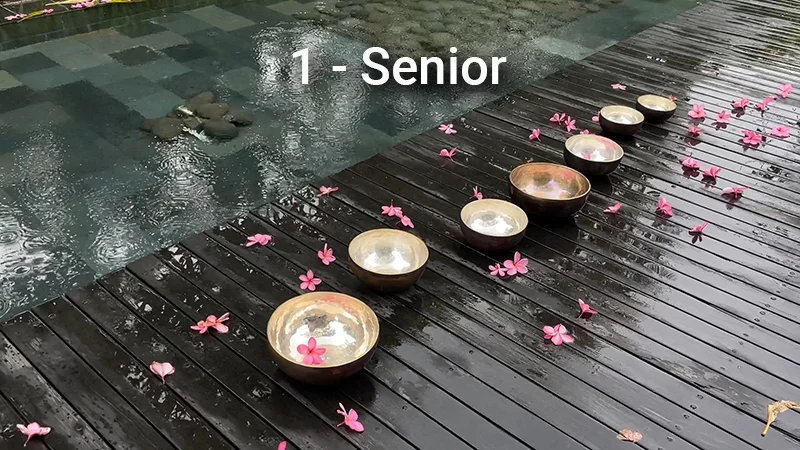
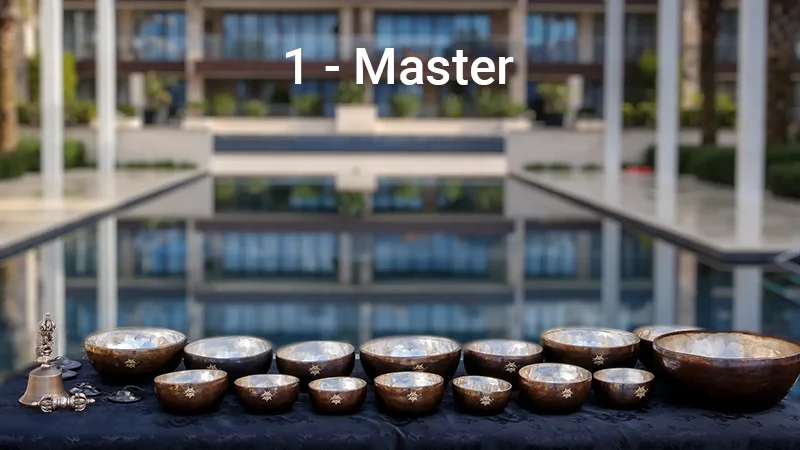
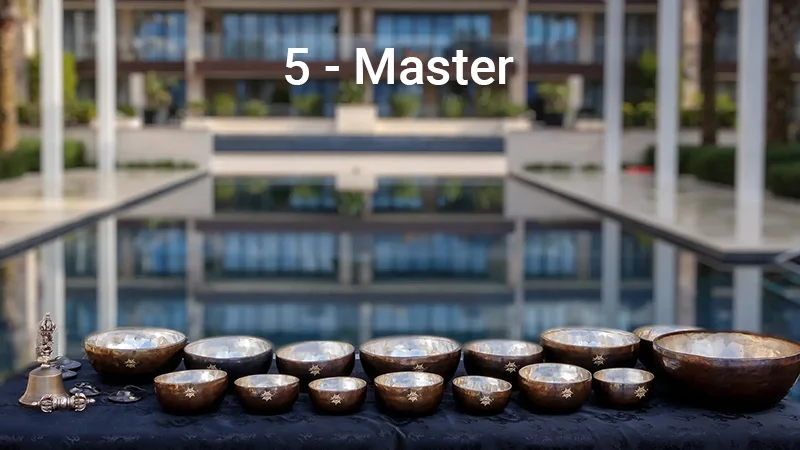
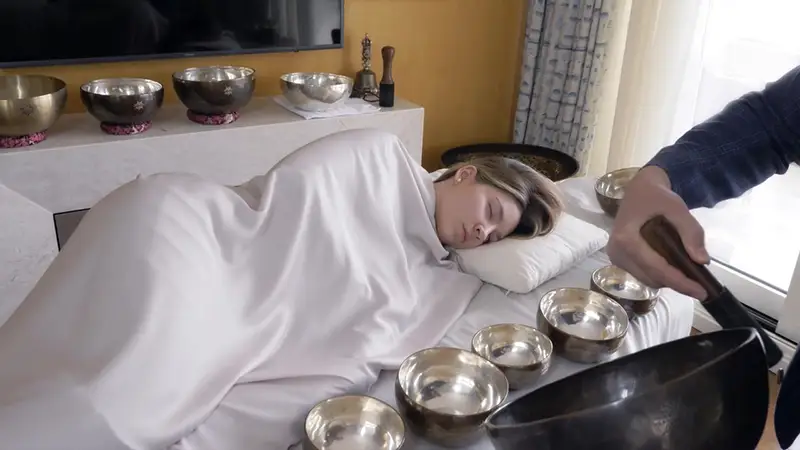
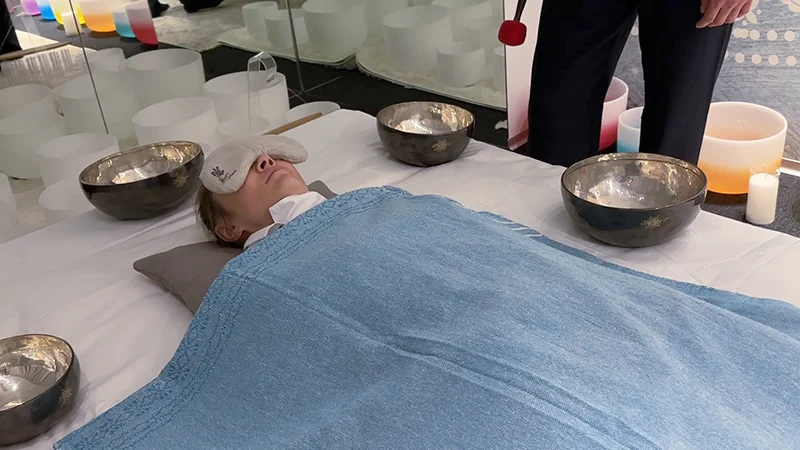
In a set it matters not only how a single bowl sounds, but how the bowls combine with one another: the mix of tones and semitones, and the interval in frequency from one bowl to the next. Fourteen bowls are close to fourteen instruments that have to be in tune with each other for an orchestra to come out of it. Assembling a set of seven bowls is not easy. Assembling fourteen with a pleasing consonance is harder by an order of magnitude.